
Innovation drives progress — but not every bold idea succeeds. Some of the most ambitious products in history were backed by billions of dollars, cutting-edge technology, and global marketing campaigns… yet they still failed.
Here’s a look at famous inventions that promised to change the world — but stumbled for different reasons.
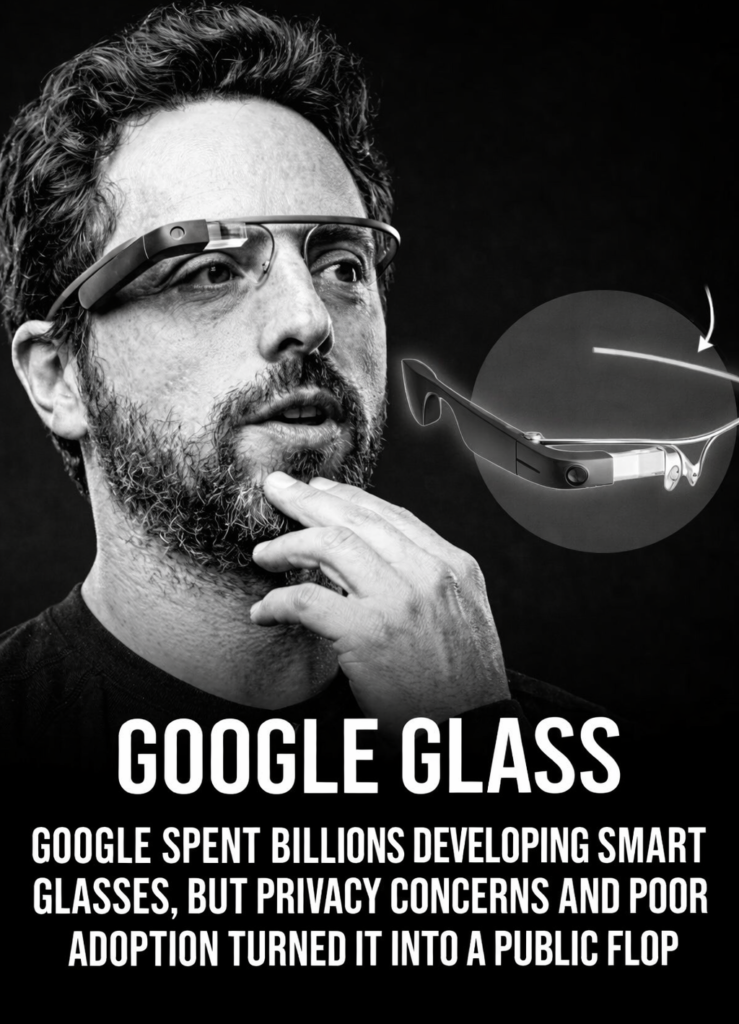
1. Google Glass
When Google introduced Google Glass in 2013, it looked like science fiction becoming reality. These smart glasses allowed users to take photos, record video, and receive notifications — all through a tiny display in front of their eye.
Why it failed:
- Privacy concerns (people feared being secretly recorded)
- Extremely high price (around $1,500 at launch)
- Limited real-world use
- Social backlash (“Glassholes” became a term)
Although Google later pivoted the product toward enterprise use, the consumer version became a symbol of tech overreach.
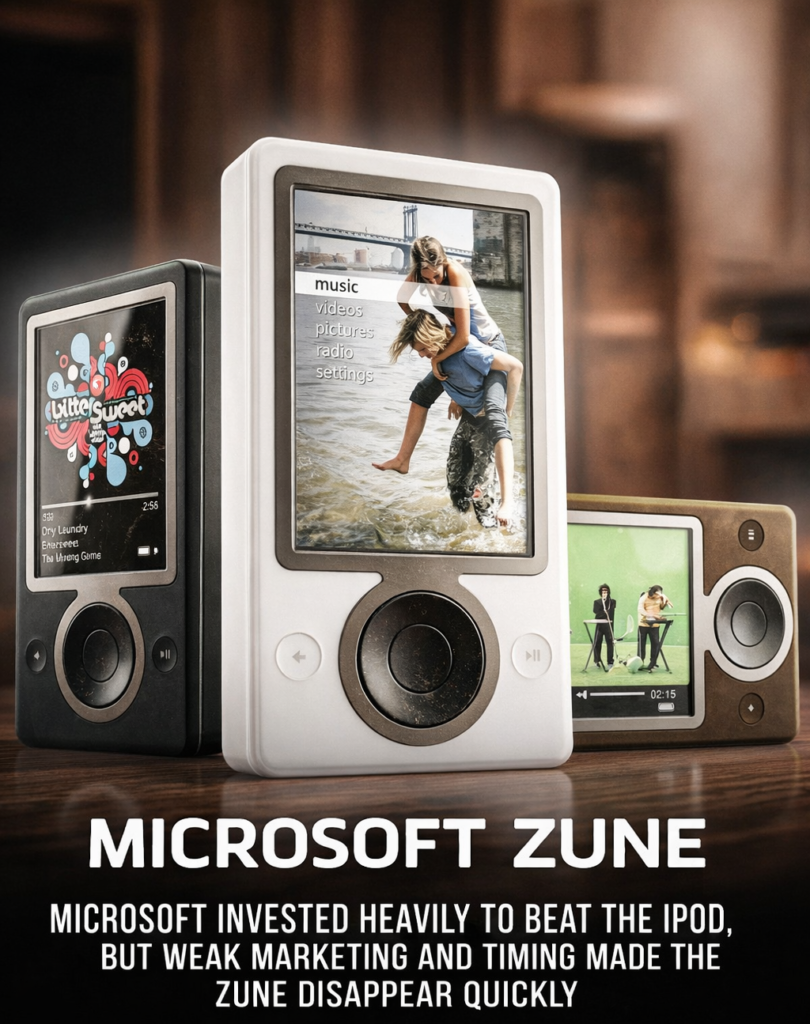
2. Microsoft Zune
Microsoft launched the Zune in 2006 to compete with Apple’s iPod. It had decent hardware and even introduced wireless music sharing — innovative for its time.
Why it failed:
- Entered the market too late
- Couldn’t compete with the dominance of iTunes
- Weak brand identity
Despite years of investment, Zune never came close to dethroning the iPod.

3. Samsung Galaxy Note 7
The Galaxy Note 7 was supposed to be Samsung’s flagship masterpiece in 2016. Instead, it became infamous.
Reports emerged of batteries overheating and catching fire. Airlines banned the phone. Samsung recalled millions of units — twice — before permanently discontinuing it.
Why it failed:
- Battery design flaws
- Rushed production
- Massive safety crisis
The recall reportedly cost Samsung billions and temporarily damaged its reputation.

4. Concorde
The Concorde was a technological marvel. Developed by Britain and France, it could fly passengers from London to New York in under 3.5 hours — faster than the speed of sound.
Why it failed:
- Extremely high operating costs
- Limited passenger capacity
- Noise restrictions from sonic booms
- A tragic crash in 2000 that hurt public confidence
Despite its prestige, the Concorde was never commercially profitable and was retired in 2003.
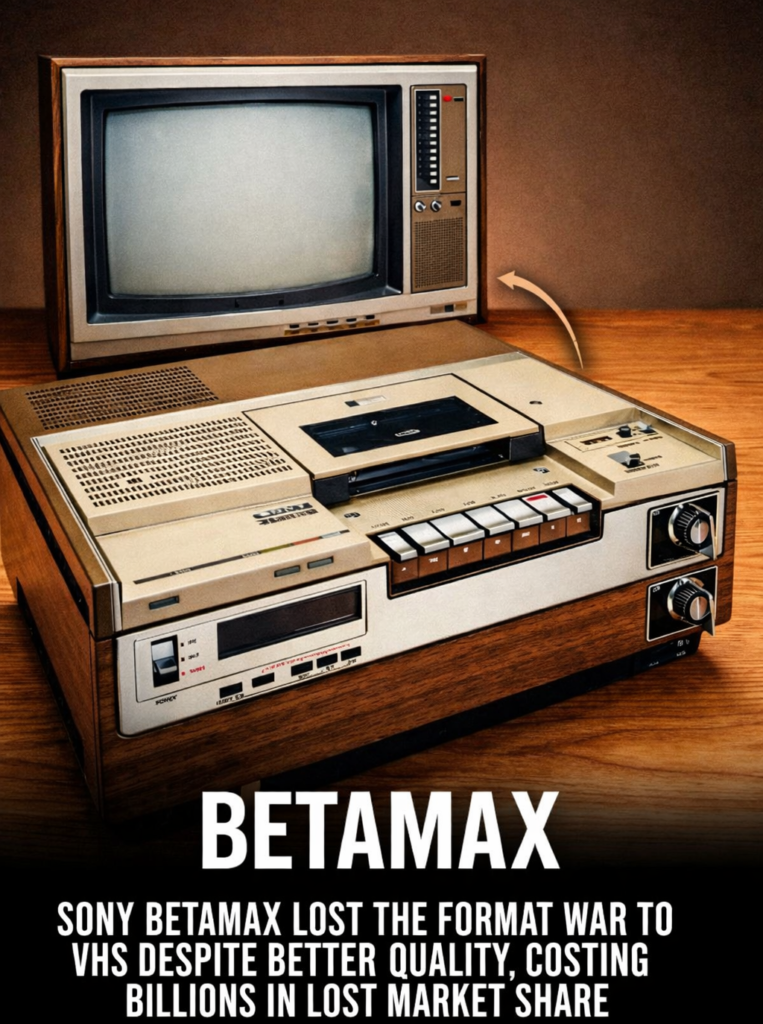
5. Betamax
In the late 1970s, Sony’s Betamax competed with VHS in the home video format war. Many experts considered Betamax technically superior in picture quality.
Why it failed:
- Shorter recording time compared to VHS
- More restrictive licensing
- VHS gained stronger industry support
The market chose convenience over slight technical superiority — and Betamax lost.
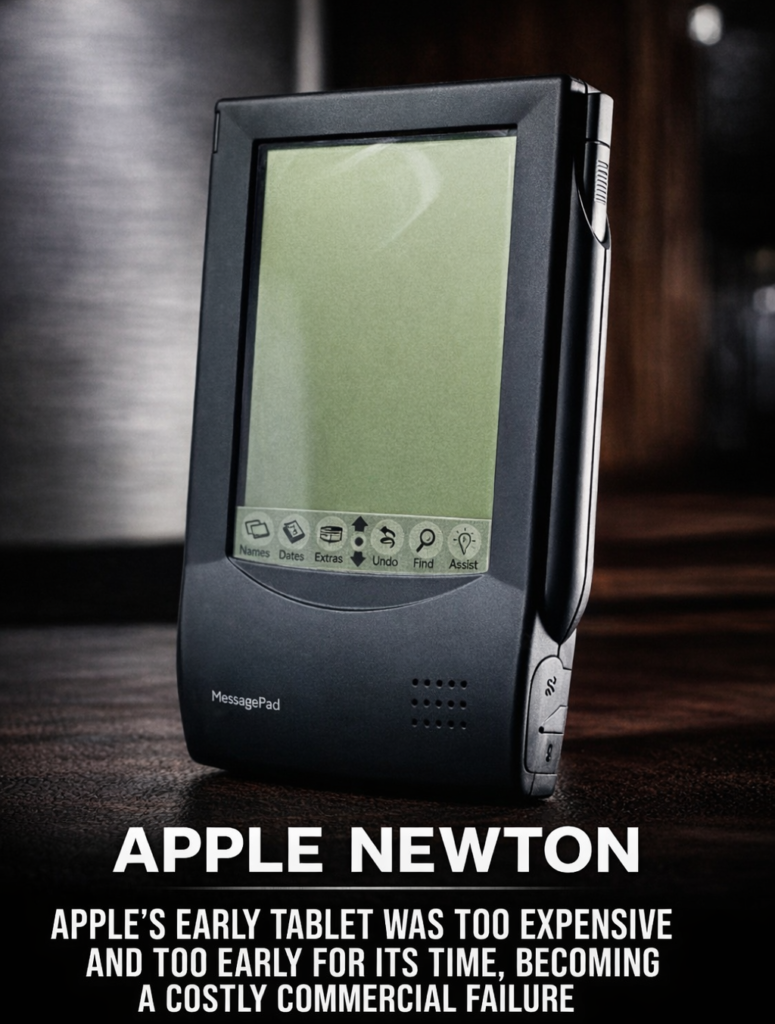
6. Apple Newton
The Apple Newton was an early personal digital assistant (PDA) launched in 1993. It featured a touchscreen and stylus, aiming to let users write notes digitally.
Why it failed:
- Poor handwriting recognition
- Expensive price tag
- Technology not mature enough
Though mocked at the time, the Newton paved the way for future devices like the iPhone and iPad.

7. Amazon Fire Phone
Amazon entered the smartphone market in 2014 with the Fire Phone, featuring a 3D-like “Dynamic Perspective” display and deep Amazon ecosystem integration.
Why it failed:
- Limited app selection
- High launch price
- Weak differentiation from competitors
Amazon reportedly lost hundreds of millions of dollars on the project.
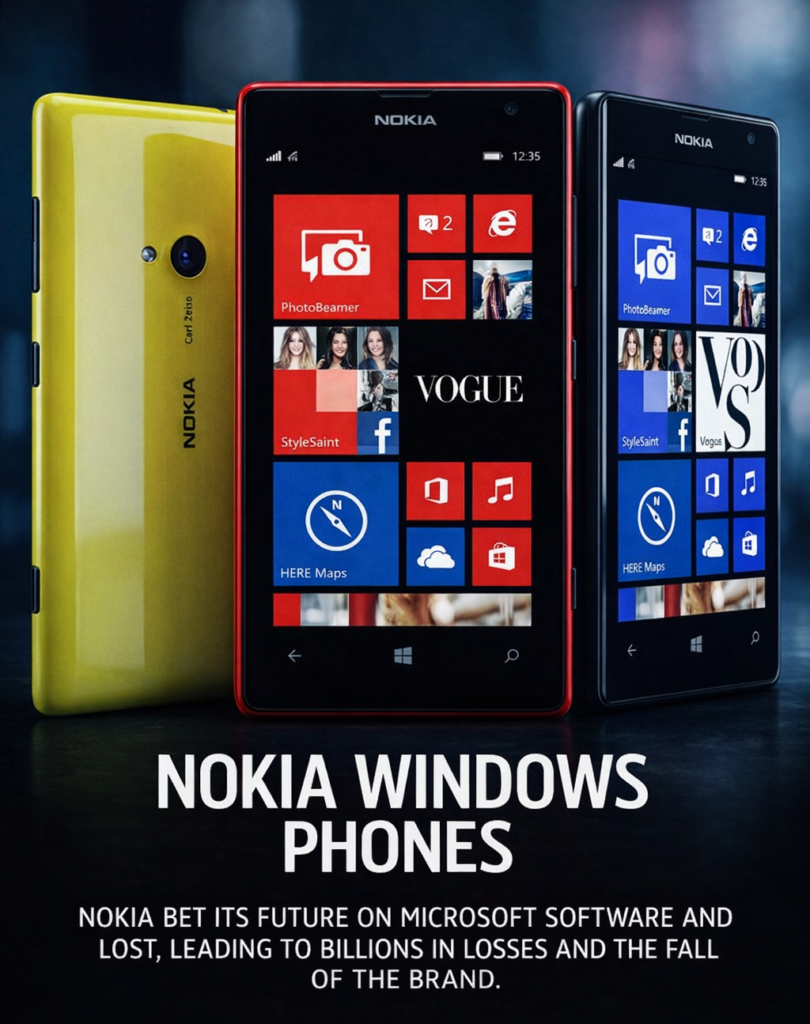
8. Nokia Lumia
Nokia partnered with Microsoft to launch Lumia smartphones running Windows Phone, hoping to compete with Android and iOS.
Why it failed:
- Weak app ecosystem
- Late response to smartphone revolution
- Confusing branding
- Strong competition from Apple and Android manufacturers
Despite heavy investment, Nokia’s mobile dominance collapsed, marking the end of an era.
Why Do Billion-Dollar Innovations Fail?
These failures share common patterns:
- Being too early for the market
- Arriving too late to compete
- Ignoring consumer behavior
- Technical flaws
- Poor ecosystem support
- Overconfidence in brand power
Innovation always involves risk. For every iPhone or Tesla, there are multiple products that never achieve success.
Yet even in failure, these inventions often push technology forward. The lessons learned from Google Glass influenced AR development. The Apple Newton laid groundwork for modern tablets. The Concorde proved supersonic travel was possible.
Sometimes, failure is just a stepping stone to the next breakthrough.
Because in technology, today’s flop can become tomorrow’s inspiration.