
Learn how Motorola went from mobile pioneer to fading brand—and the key lesson: stop improving, and someone hungrier will replace you.
Introduction
Motorola helped shape the mobile phone industry, but its early success did not guarantee long-term dominance. As smartphones changed the way people communicated, competitors such as Apple and Samsung gained ground.
Motorola’s history offers an important business lesson: companies must adapt to changing technology and customer expectations to remain competitive.
Motorola’s Rise to Success
In 1973, Motorola engineer Martin Cooper demonstrated an early handheld mobile phone by making a call using a portable device. The achievement marked an important milestone in mobile communications.
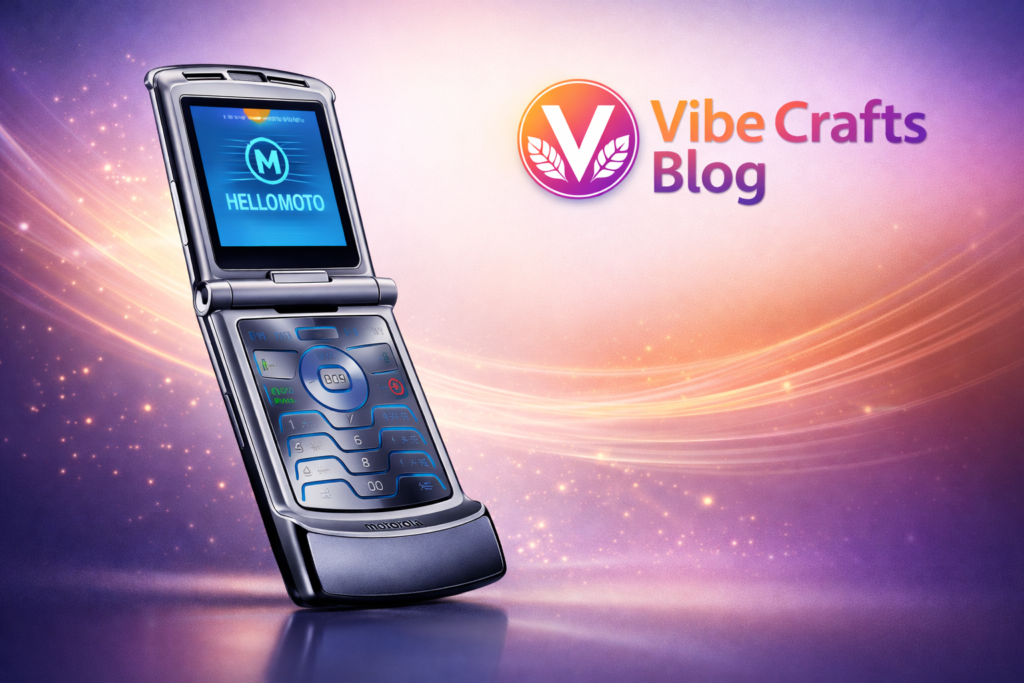
During the following decades, Motorola developed popular mobile phones and built a strong reputation. Its iconic Razr V3, released in 2004, became particularly successful because of its slim design and distinctive appearance.
However, the mobile phone market was about to undergo a major transformation.
The First Mobile Phone

Enter Apple and Samsung
Then came Apple and Samsung.
However, they didn’t just improve phones—they re-imagined them.
- Apple introduced the iPhone with a touchscreen-first design
- Samsung rapidly experimented with features and screen sizes
- Both focused heavily on software, not just hardware
As a result, the definition of a “phone” changed completely.
Why Motorola Fell Behind
Motorola didn’t fail overnight. Instead, it slowly lost ground because:
- It underestimated software ecosystems
- It reacted late to touchscreen innovation
- It relied too much on past brand strength
Eventually, the gap became too large to close quickly.
The Core Lesson: Stop Improving, Get Replaced
This story isn’t really about phones—it’s about momentum.
If you stop improving, someone else doesn’t just catch up—they pass you.
And usually, that “someone” is:
- Hungrier
- More experimental
- Less attached to old success
That’s exactly what happened here.
The Smartphone Revolution
The introduction of Apple’s iPhone in 2007 changed consumer expectations. Smartphones increasingly combined calling, internet browsing, applications, photography, and entertainment in one device.
Google’s Android platform also helped manufacturers develop a wide range of touchscreen smartphones.
Motorola faced growing competition as the industry shifted toward software, application ecosystems, and integrated user experiences. Its established strengths in traditional mobile phones were no longer enough to guarantee the same level of success.
The company’s challenges resulted from several factors, including competition, product strategy, and the rapid evolution of the smartphone market. Its decline should not be attributed to a single decision or competitor.
Did Motorola Disappear?
No. Motorola continued operating in the mobile phone business, and its mobile phone operations became part of Lenovo in 2014.
The Motorola brand later returned to prominence in selected smartphone segments, including Android devices and foldable phones.
Its history is therefore not simply a story of failure. It demonstrates how a company can lose its leading position, restructure its business, and continue competing in a changing market.
Three Business Lessons From Motorola’s History
1. Adapt to Changing Customer Needs
Customer expectations evolve as technology advances. Businesses should regularly examine what their customers need instead of relying entirely on products that were successful in the past.
2. Invest in Innovation
Innovation includes more than introducing new hardware or adding features. It also involves improving software, usability, services, and the overall customer experience.
3. Treat Success as a Starting Point
A strong reputation can help a company attract customers, but it cannot replace continuous improvement. Businesses need to evaluate their strategies and respond when market conditions change.
These lessons also apply to online businesses and content creators. Understanding audience preferences, testing new ideas, and improving the quality of products or content can help maintain relevance over time.

Frequently Asked Questions
Why did Motorola lose its leading position?
Motorola faced intense competition during the transition from traditional mobile phones to smartphones. Changes in consumer expectations, product strategy, and the wider technology market contributed to its loss of market leadership.
Did Apple cause Motorola’s decline?
Apple’s iPhone significantly changed the smartphone market, but Motorola’s challenges had multiple causes. Competition from Android manufacturers and broader industry changes also influenced the company’s position.
Does Motorola still make phones?
Yes. The Motorola brand continues to sell smartphones as part of Lenovo’s mobile device business.
What can businesses learn from Motorola?
Businesses should monitor changing customer needs, invest in relevant innovation, and avoid assuming that past success guarantees future growth.
Conclusion
Motorola’s history illustrates how quickly an established market leader can face new challenges when technology and customer expectations change.
The company helped pioneer mobile communications and created memorable products, yet it struggled to maintain the same position during the smartphone revolution.
Its experience highlights the importance of innovation, strategic decisions, and adaptability. For businesses of any size, lasting success depends not only on what worked yesterday but also on how effectively they respond to tomorrow’s opportunities.