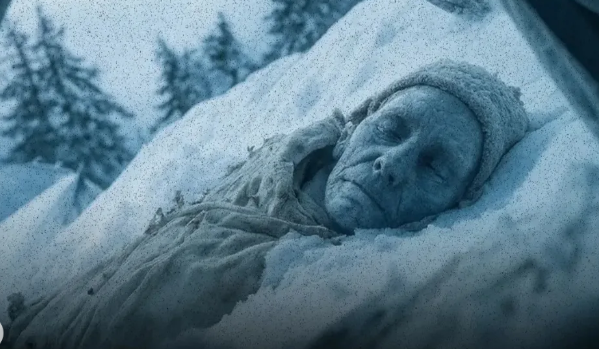
In the winter of 1959, nine experienced Soviet hikers set out on a challenging expedition into the northern Ural Mountains. Weeks later, all of them were found dead under circumstances so strange that the case would become one of the most chilling mysteries of the 20th century.
More than six decades later, the Dyatlov Pass incident continues to spark debate, scientific investigation, and endless speculation.
The Expedition Begins
The hiking group was led by Igor Dyatlov, a 23-year-old engineering student at the Ural Polytechnic Institute. The team consisted of eight men and two women, all young, fit, and highly experienced in winter trekking.
Their goal was to reach Otorten Mountain in the northern Ural Mountains. It was classified as a Grade III hike—the most difficult category at the time.
One member turned back early due to illness, an accident that likely saved his life.
The remaining nine continued onward.
The Campsite Discovery
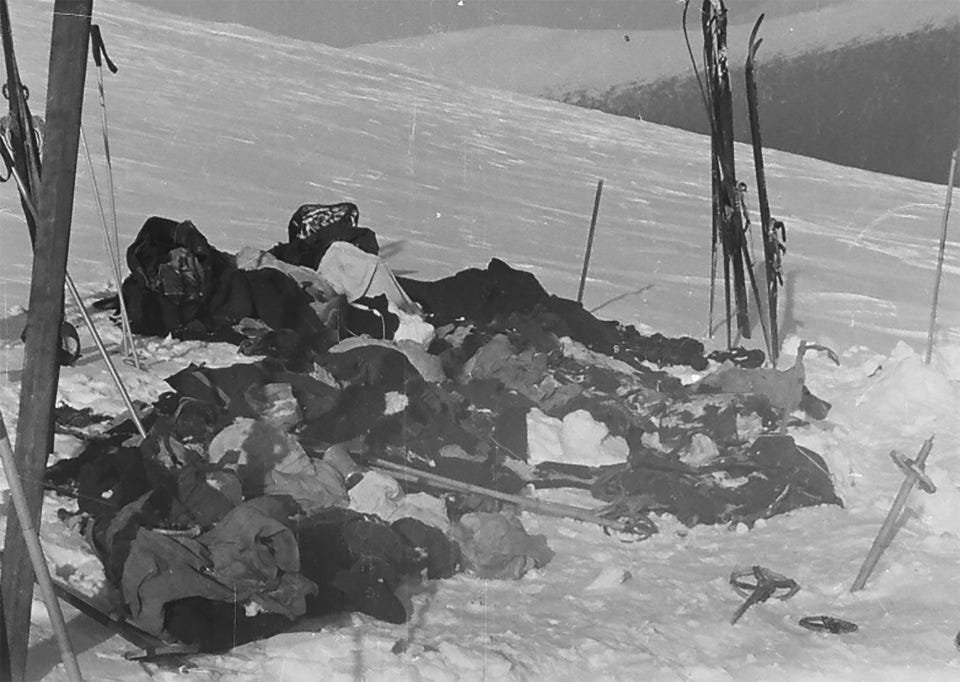
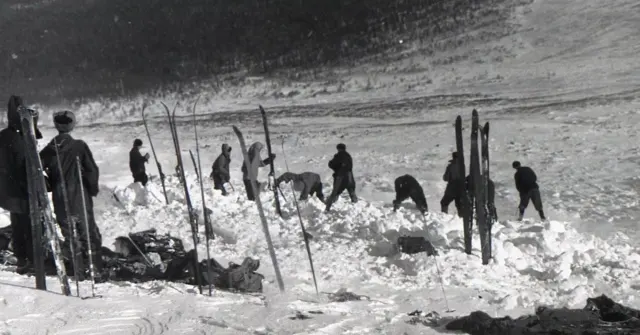
When the group failed to return on schedule, search parties were organized. On February 26, 1959, rescuers located the hikers’ tent on a slope of a mountain later named after Dyatlov.
What they found was deeply disturbing:
- The tent had been cut open from the inside.
- Personal belongings, boots, and winter clothing were left behind.
- Footprints in the snow showed the hikers had fled barefoot or in socks into subzero temperatures (around -30°C / -22°F).
The scene suggested sudden panic—but from what?
The Bodies
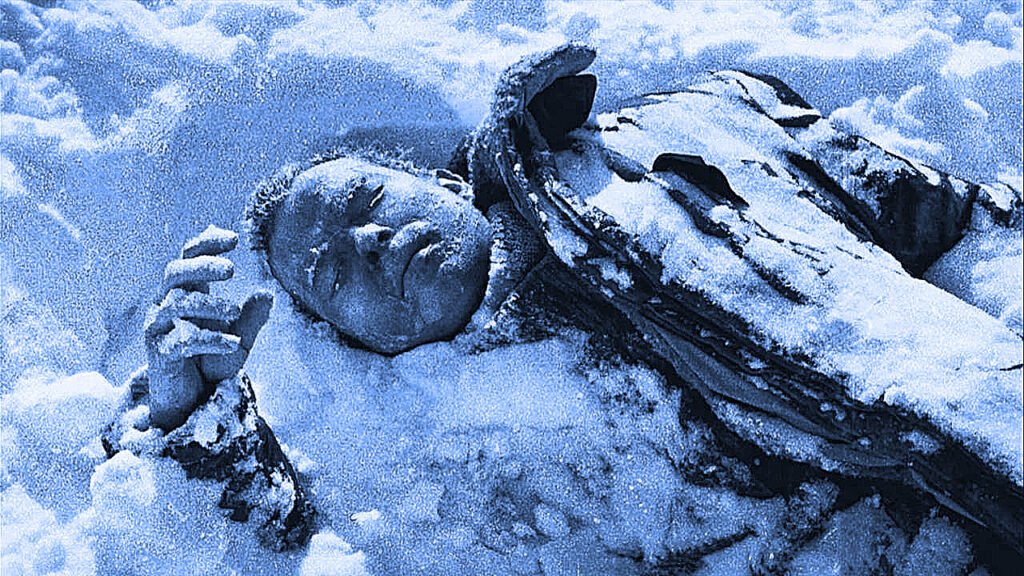
The first two bodies were found near a cedar tree at the edge of a forest, dressed only in underwear. Evidence showed they had attempted to build a fire.
Three more bodies were discovered between the tree and the tent, as if they had been trying to return to camp.
The remaining four were found months later under deep snow in a nearby ravine.
Some of the injuries were shocking:
- Severe chest fractures
- A crushed skull
- One woman missing her tongue
- Minor external wounds despite massive internal trauma
Investigators noted that some clothing tested positive for low levels of radiation.
The Official Conclusion
The Soviet investigation concluded in May 1959 with a vague statement: the hikers died due to “a compelling natural force.”
The case was quickly closed and classified, fueling suspicions of a cover-up.
Popular Theories
Over the decades, numerous explanations have been proposed:
❄️ Avalanche
One widely accepted theory suggests a small avalanche or snow slab collapse forced the hikers to cut their way out of the tent and flee. However, critics argue that the slope angle and lack of heavy snow accumulation make a major avalanche unlikely.
🌬️ Katabatic Winds
Powerful downhill winds may have caused extreme noise and pressure, triggering panic.
🧪 Secret Military Testing
Some believe the hikers were accidentally exposed to secret Soviet weapons tests. The radiation traces and reported orange lights in the sky have fueled this theory.
🐾 Animal Attack
This fails to explain the internal injuries and lack of defensive wounds.
👽 Paranormal or UFOs
Though popular in media, there is no solid evidence supporting extraterrestrial involvement.
Modern Reinvestigation
In 2019, Russian authorities reopened the case. In 2020, they officially concluded that an avalanche was responsible. Computer simulations later supported the idea that a small but powerful snow slab could have caused the injuries without leaving obvious traces.
However, not everyone is convinced.
The unusual injuries, radiation traces, and missing tongue remain topics of debate among researchers.
Why the Mystery Endures
The Dyatlov Pass incident captures the imagination because it combines:
- Isolation in the frozen wilderness
- Young lives cut short
- Confusing physical evidence
- Cold War secrecy
The site, now known as Dyatlov Pass, stands as a memorial to the nine hikers who lost their lives in one of the most baffling tragedies of the Soviet era.
Whether the answer lies in natural forces, human error, or something more unusual, the mystery continues to fascinate historians, scientists, and conspiracy theorists alike.
And in the frozen silence of the Ural Mountains, the full story may never be completely known.