A Mind-Bending Cosmic Comparison
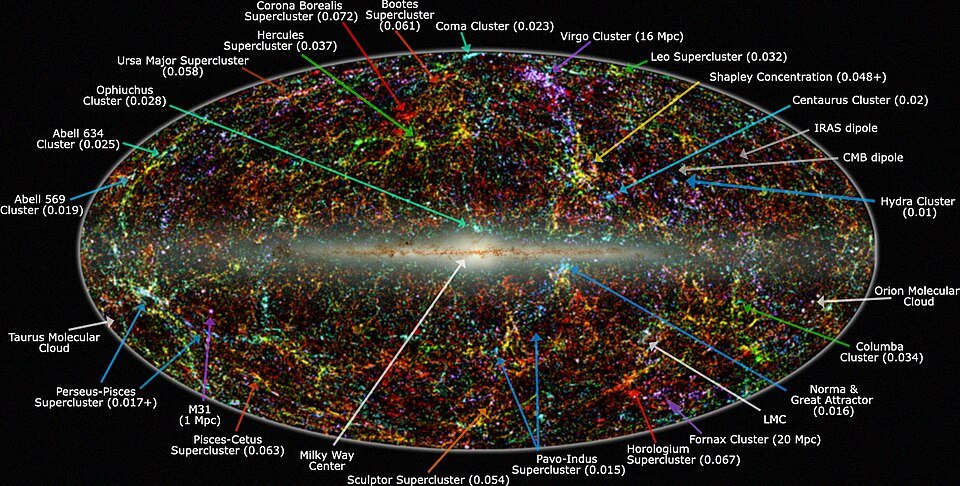
The universe is so vast that it challenges human imagination. One astonishing idea often shared by astronomers is this: there may be more planets in the universe than seconds that have passed since the Big Bang. This comparison helps put into perspective just how immense the cosmos truly is.
How Many Seconds Have Passed?
The Big Bang is believed to have occurred about 13.8 billion years ago. When converted into seconds, that’s roughly:
13.8 billion years ≈ 435 quintillion seconds (435,000,000,000,000,000 seconds)
While this number is unimaginably large, it may still be smaller than the number of planets scattered across the universe.
Estimating the Number of Planets
Scientists estimate that there are at least hundreds of billions of galaxies in the observable universe. One well-known example is the Milky Way, which alone contains around 100–400 billion stars.
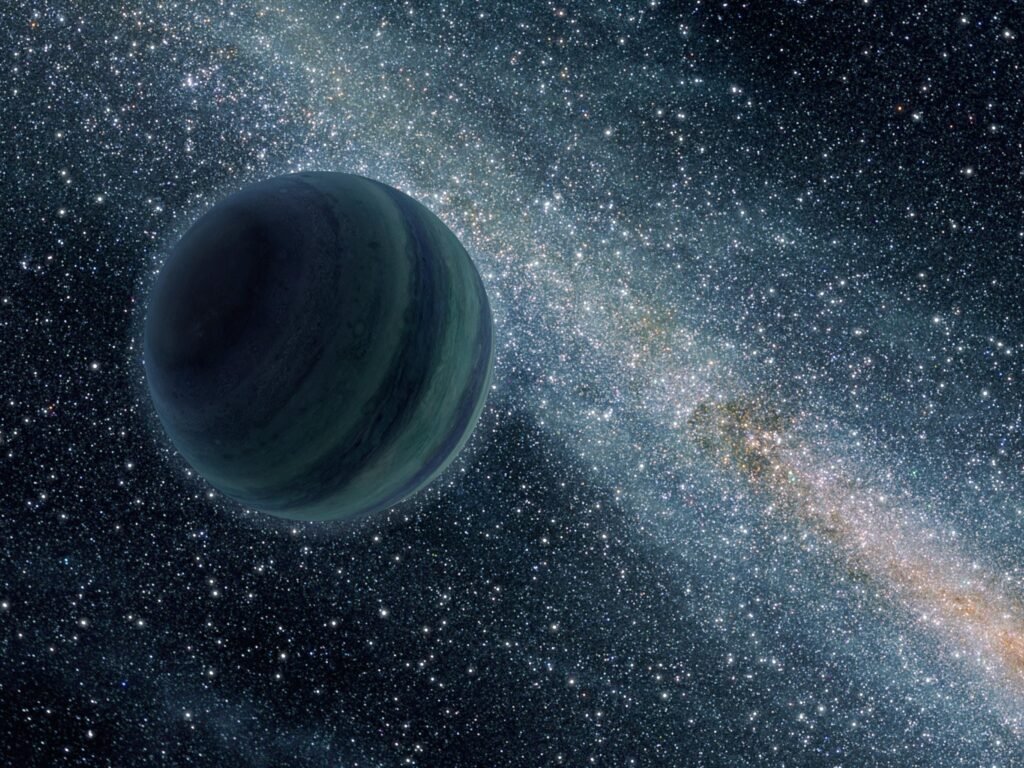
Research suggests that most stars have planets orbiting them. Many even host multiple planets. If each galaxy contains billions of planetary systems, the total number of planets across the universe could easily reach into the sextillions (that’s a 1 followed by 21 zeros) or even higher.
The Explosion of Exoplanet Discoveries
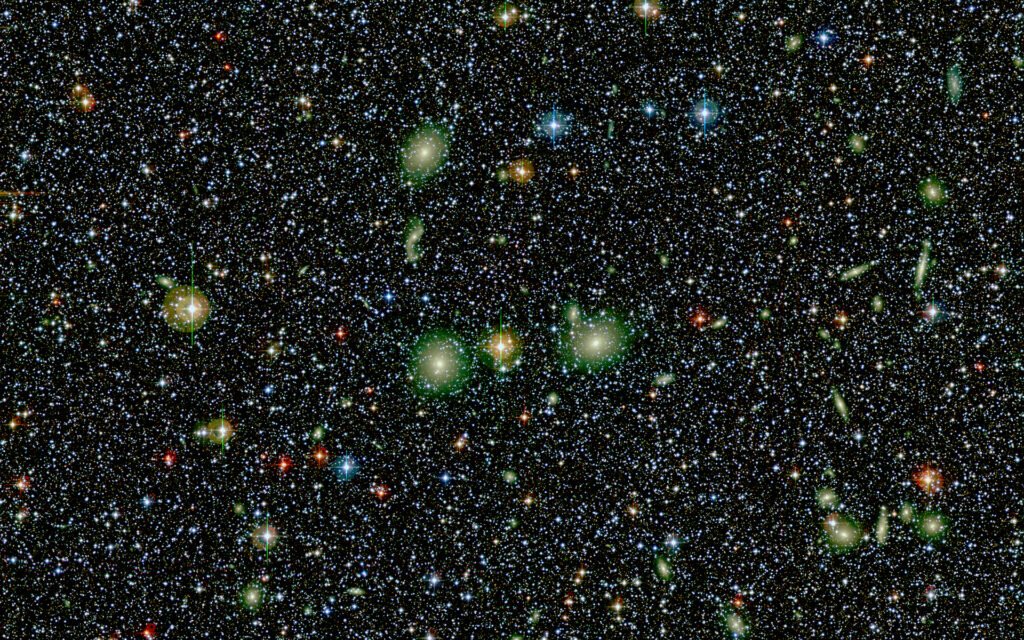
The discovery of planets beyond our solar system—known as exoplanets—has dramatically changed our understanding of the universe. Missions like Kepler Space Telescope have revealed thousands of confirmed planets, with many more candidates waiting to be verified.
These findings suggest that planets are not rare—they are the norm. From rocky Earth-like worlds to massive gas giants, the diversity of planets is staggering.
Why There Are So Many Planets
Planet formation is a natural byproduct of star formation. When stars form from clouds of gas and dust, leftover material often clumps together to create planets, moons, and other celestial bodies.
Because stars are so abundant, planets form almost everywhere. This widespread process is a key reason why the number of planets can exceed even the enormous count of seconds since the beginning of time.
Beyond the Observable Universe
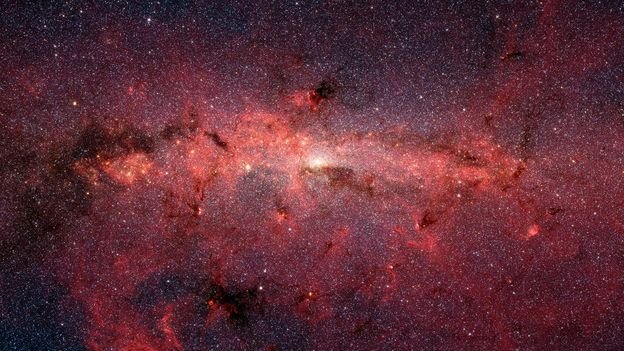
It’s important to note that these estimates apply only to the observable universe—the part we can detect from Earth. The actual universe may be far larger, possibly infinite.
If that’s the case, the number of planets could be far greater than current estimates, making the comparison even more astonishing.
What This Means for Us
The idea that planets outnumber seconds since the Big Bang highlights how small our place is in the grand scheme of things. Yet, it also opens up exciting possibilities.
With so many planets, the chances of finding worlds that could support life increase dramatically. Scientists continue to search for Earth-like planets, hoping to answer one of humanity’s biggest questions: Are we alone?
Conclusion
The universe is filled with wonders that stretch the limits of human understanding. The possibility that there are more planets than seconds since the Big Bang is a powerful reminder of its vastness.
As our technology improves and our exploration continues, we may uncover even more surprising truths about the countless worlds that exist beyond our own.