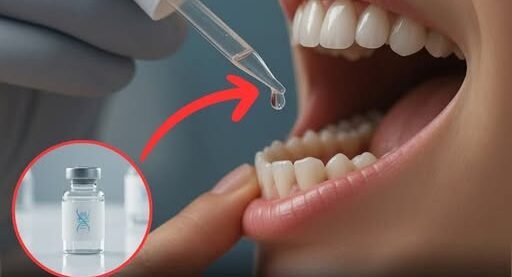
A groundbreaking medical development in Japan is raising hopes that losing teeth may no longer be permanent. Scientists are testing a new drug designed to regrow natural human teeth, potentially eliminating the need for dentures and implants in the future.
🧬 The Science Behind Tooth Regrowth
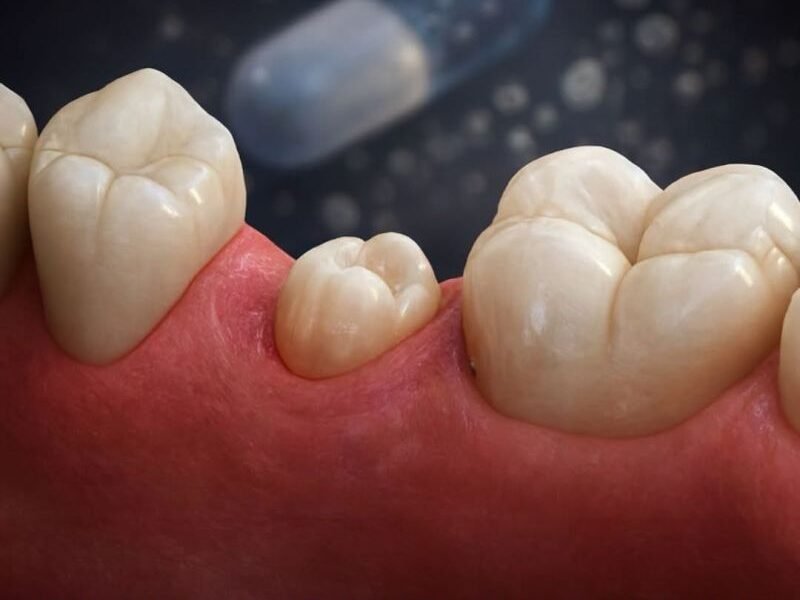
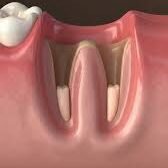
Unlike many animals, humans typically grow only two sets of teeth—baby and adult. Once lost, teeth do not naturally regenerate. However, researchers discovered that humans may still have dormant tooth buds—the biological structures needed to grow additional teeth.
The new drug works by targeting a protein called USAG-1, which normally prevents extra teeth from forming. By blocking this protein, scientists can reactivate these dormant tooth buds, allowing new teeth to grow naturally.
💉 How the Drug Works
The treatment—often referred to as a tooth-regrowth antibody therapy—is administered through an intravenous injection.
Here’s how it functions:
- Blocks USAG-1 protein → removes the biological “brake” on tooth growth
- Reactivates tooth buds → triggers natural tooth development
- Promotes full tooth formation → including roots and enamel
Animal studies in mice, ferrets, and dogs have already shown successful growth of new, functional teeth without major side effects.
🧪 Human Trials Are Already Underway
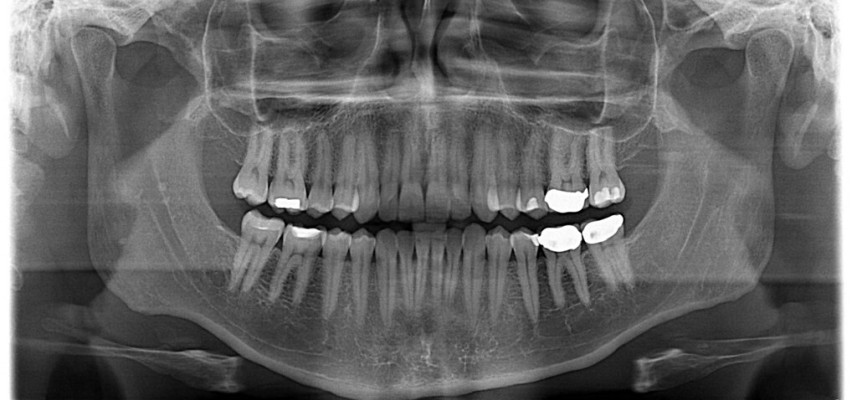
Japan officially began human clinical trials in 2024 at institutions like Kyoto University Hospital and Kitano Hospital.
Key details of the trial:
- Participants: Adults aged 30–64 missing at least one tooth
- Method: Intravenous injections of the drug
- Focus: Testing safety and dosage first
- Sample size: Around 30 participants
If successful, future trials will include young children with congenital tooth loss, a condition where teeth never develop.
🦷 Why This Could Replace Dentures and Implants
Today’s common solutions for tooth loss include:
- Dentures (removable replacements)
- Dental implants (artificial roots and crowns)
But this new therapy could offer something far superior:
✔ Natural Teeth Regrowth
New teeth would be biologically identical to original teeth.
✔ No Foreign Materials
Unlike implants, there’s no risk of rejection or complications from artificial components.
✔ Long-Term Durability
Regrown teeth could potentially last a lifetime, just like natural ones.
🌍 Who Could Benefit the Most?
This innovation could transform dental care for millions, especially:
- People who lost teeth due to injury or decay
- Elderly individuals relying on dentures
- Children born with missing teeth (congenital conditions)
Researchers even describe this treatment as a “third option” alongside dentures and implants.
⏳ When Will It Be Available?
While the results are promising, the drug is still in early-stage trials.
- Current phase: Safety testing in humans
- Next phases: Effectiveness studies in broader groups
- Expected availability: Around 2030 (if trials succeed)
⚠️ Challenges and Caution
Despite the excitement, several hurdles remain:
- Long-term safety must be proven
- Effectiveness in different age groups needs validation
- Regulatory approvals could take years
Experts emphasize that this is a major breakthrough—but not yet a finished solution.
🔮 The Future of Dentistry
If successful, this Japanese innovation could redefine dental medicine—shifting from artificial replacements to true biological regeneration.
Instead of filling gaps with prosthetics, dentists may one day help patients grow back their own teeth, naturally and permanently.