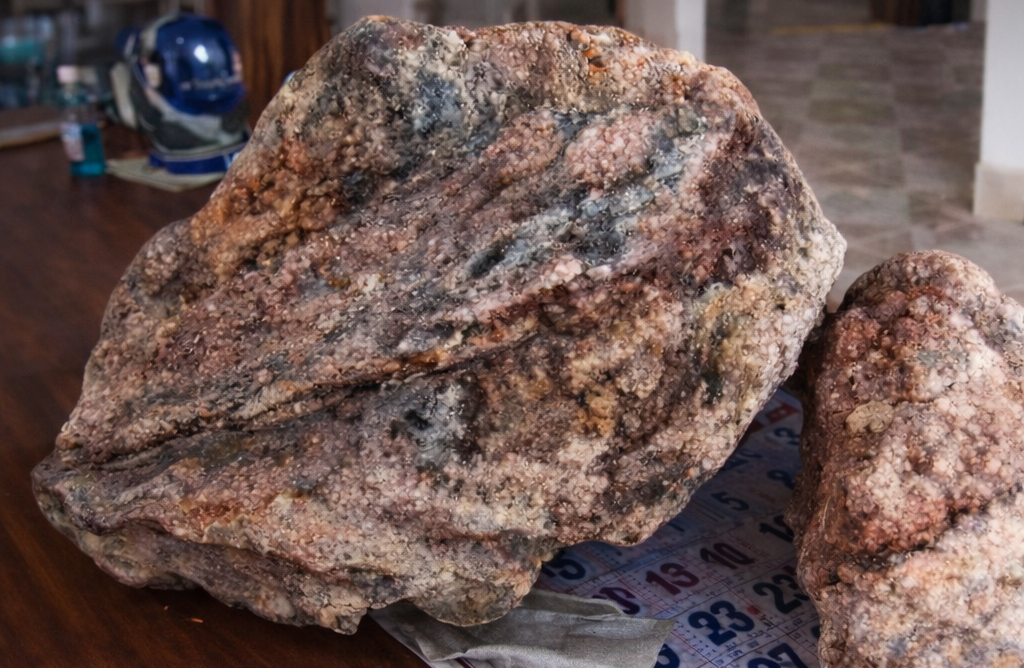
Along coastlines around the world, an unusual and valuable substance occasionally washes ashore—known as ambergris. Often mistaken for an ordinary rock at first glance, this rare material has fascinated scientists, beachcombers, and perfumers for centuries due to its mysterious origin and remarkable properties.
What Is Ambergris?
Ambergris is a waxy, solid substance produced in the digestive system of the sperm whale. It forms when indigestible parts of the whale’s prey—mainly squid beaks—irritate the intestines. To protect itself, the whale secretes a fatty substance that gradually hardens around the debris, eventually forming ambergris.
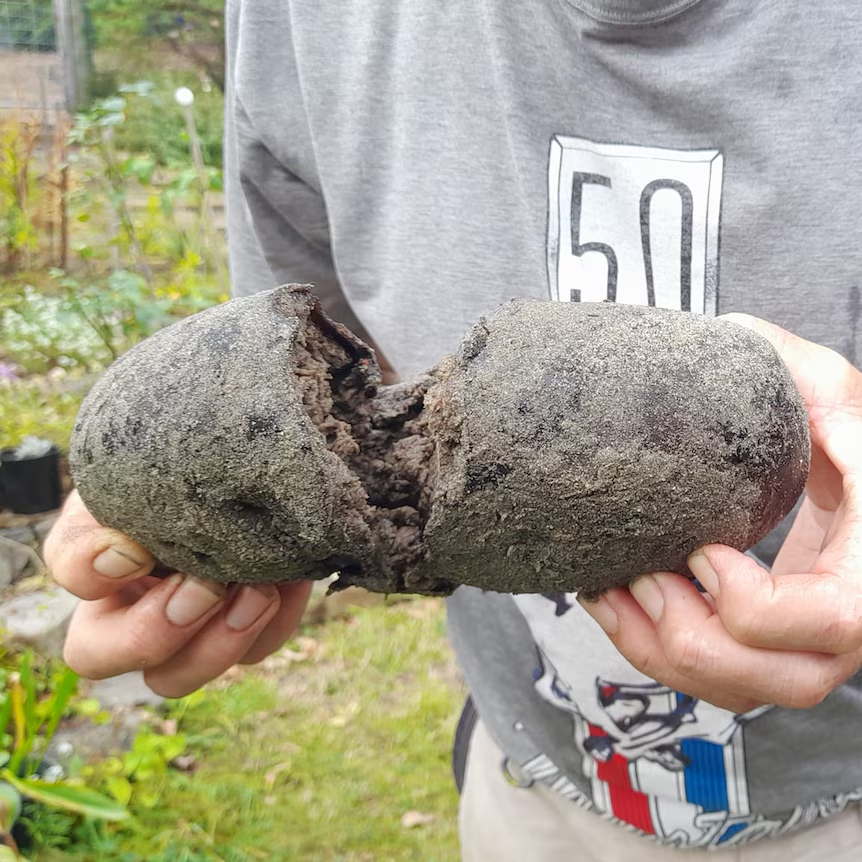
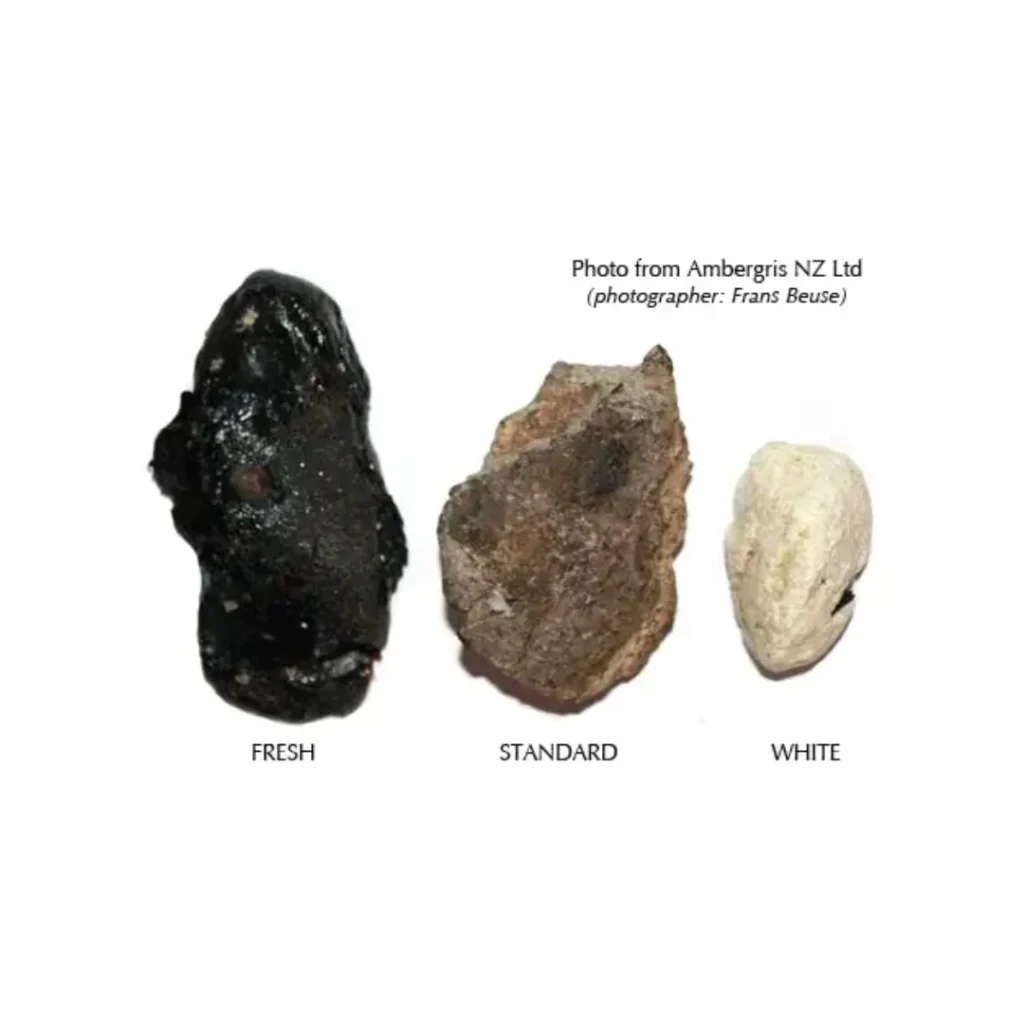
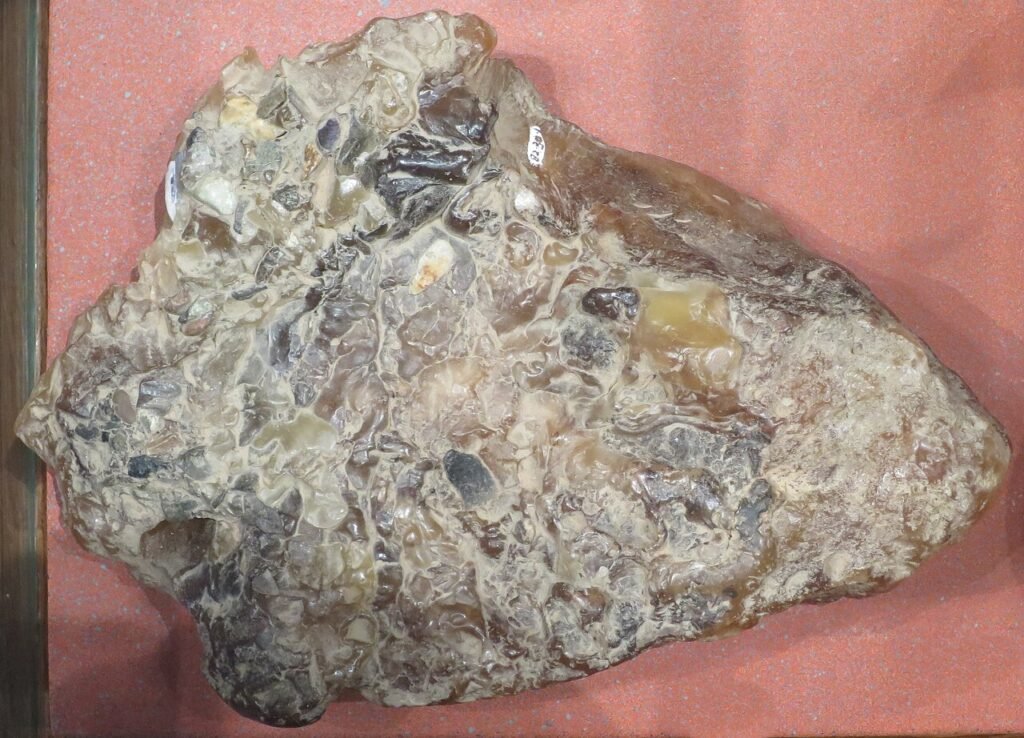
Over time, this mass may be expelled into the ocean, where it floats for years. Exposure to sunlight, saltwater, and air transforms it from a dark, foul-smelling lump into a lighter, smooth material with a surprisingly pleasant, earthy scent.
Why Is Ambergris Valuable?
Ambergris is often called “floating gold” because of its high value. One of the main reasons for this is its use in the perfume industry. It acts as a fixative, helping fragrances last longer by stabilizing and enhancing their scent.
Historically, luxury perfume houses have prized ambergris for its unique aroma—often described as sweet, musky, and marine-like. Due to its rarity and the difficulty of finding it, high-quality ambergris can fetch thousands of dollars per kilogram.
Where Is It Found?
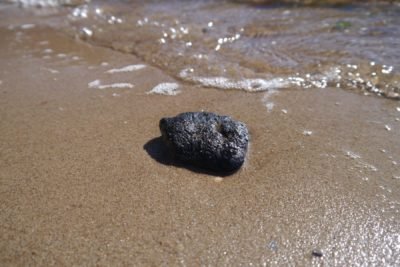
Ambergris is typically discovered along coastlines in tropical and subtropical regions. Some of the most common places include beaches in countries like New Zealand, the Maldives, and parts of Africa.
Beachcombers who stumble upon ambergris often don’t realize what they’ve found at first. It can resemble a gray or black rock, sometimes with a waxy texture. Experienced collectors look for its distinctive smell and buoyancy—it often floats in water, unlike most stones.
Legal and Ethical Considerations
Because ambergris originates from the sperm whale, which is a protected species in many parts of the world, its trade is subject to strict regulations. In some countries, buying or selling ambergris is illegal, while others allow it under specific conditions since it is naturally expelled and not obtained by harming the animal.
Anyone who finds ambergris should check local laws before attempting to sell or export it.
A Natural Mystery
Despite centuries of study, ambergris remains one of the ocean’s most intriguing natural phenomena. Its journey—from deep inside a whale to drifting across vast oceans and finally washing up on a quiet beach—is a reminder of the hidden wonders of marine life.
For lucky beachgoers, discovering ambergris can be a once-in-a-lifetime experience—turning an ordinary walk along the shore into an encounter with one of nature’s rarest treasures.