
Australia isn’t just unique—it’s full of surprises that make it stand out globally. Here’s a deeper look at each of these incredible facts:
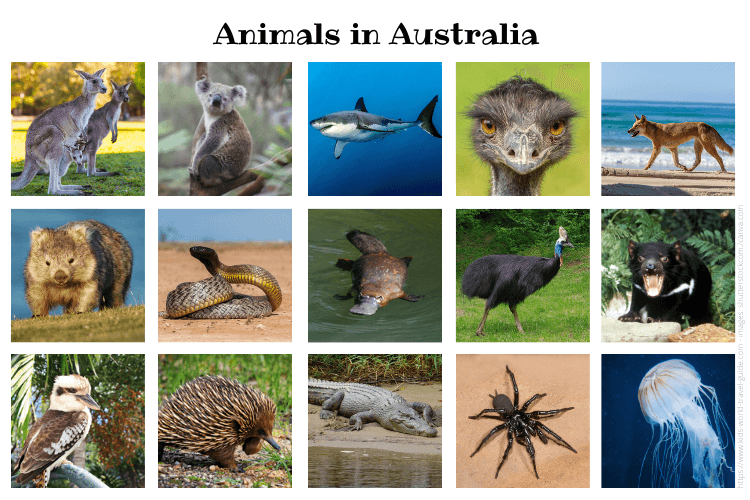
1. Unique Wildlife Found Nowhere Else
Australia’s long geographic isolation allowed animals to evolve in unusual ways. Many species are marsupials, meaning they carry and nurse their young in pouches.
- The Kangaroo is known for its powerful hind legs and ability to travel long distances by hopping.
- The Koala spends most of its life in eucalyptus trees, sleeping up to 20 hours a day.
- The Platypus is one of the few mammals that lay eggs, combining features of birds, reptiles, and mammals.
This biodiversity exists because Australia separated from other continents millions of years ago, creating an evolutionary “island.”
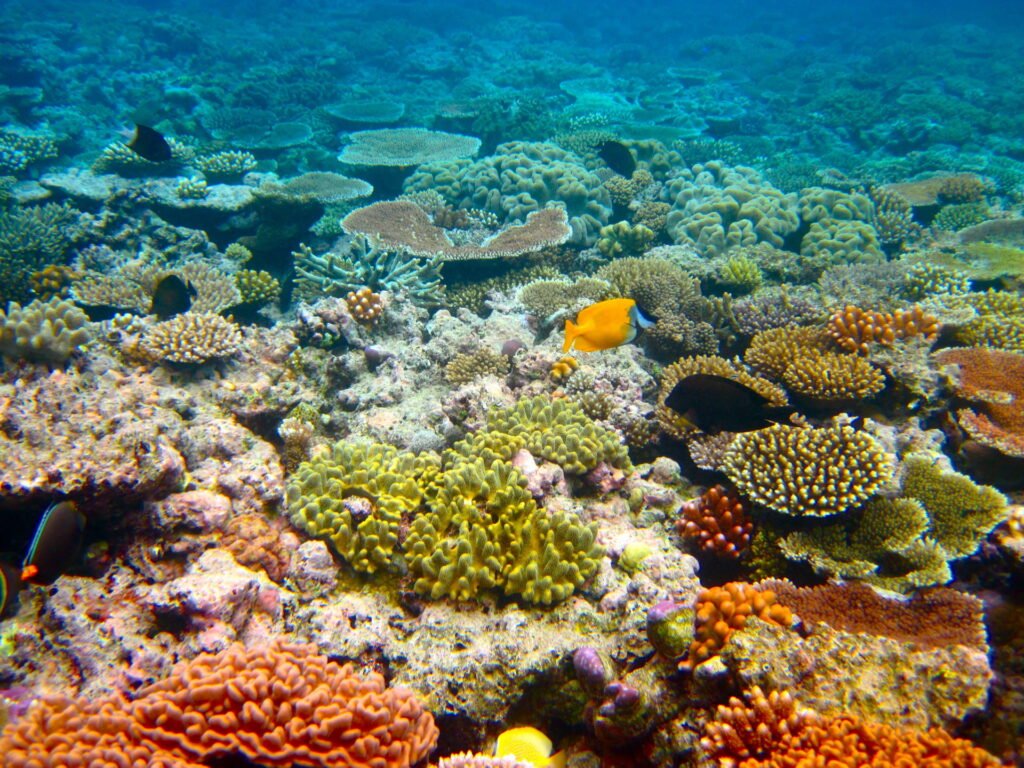
2. The Great Barrier Reef Is a Natural Wonder
The Great Barrier Reef is the largest coral reef system on Earth, covering an area bigger than many countries.
It supports:
- Over 1,500 species of fish
- Hundreds of coral types
- Sea turtles, sharks, and dolphins
The reef plays a crucial role in marine ecosystems and protects coastlines from erosion. However, it is under threat from climate change, rising sea temperatures, and coral bleaching.
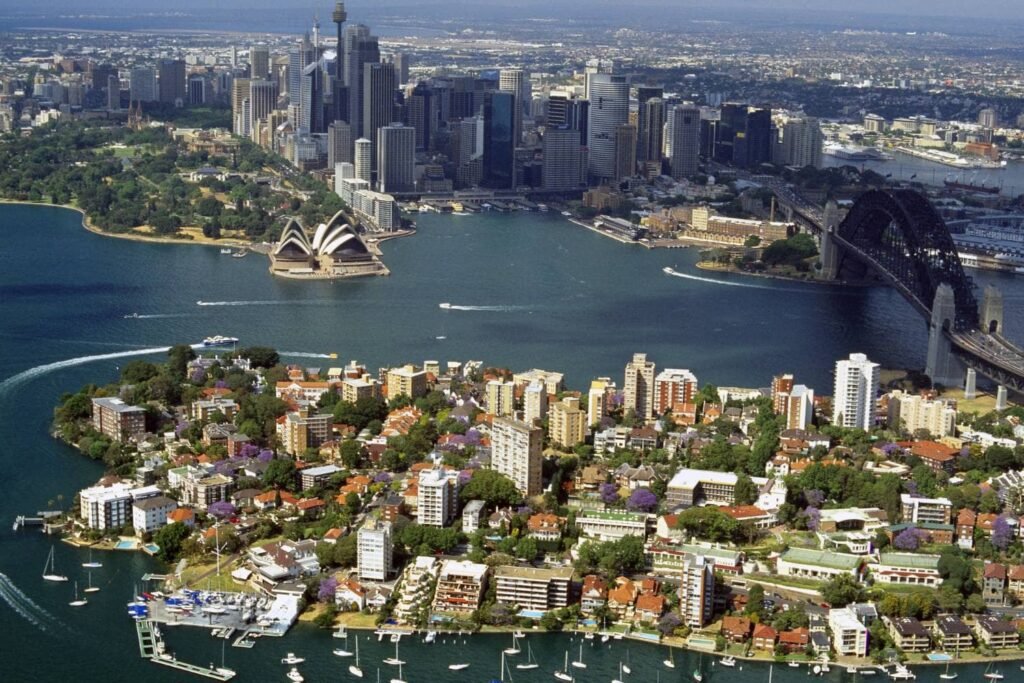
3. A Country That Is Also a Continent
Australia is the only country that occupies an entire continent. This gives it a distinct geological identity.
The landmass includes:
- Deserts (like the Outback)
- Tropical rainforests
- Mountain ranges
- Coastal ecosystems
Its isolation also explains its unique plants and animals, which evolved independently from the rest of the world.
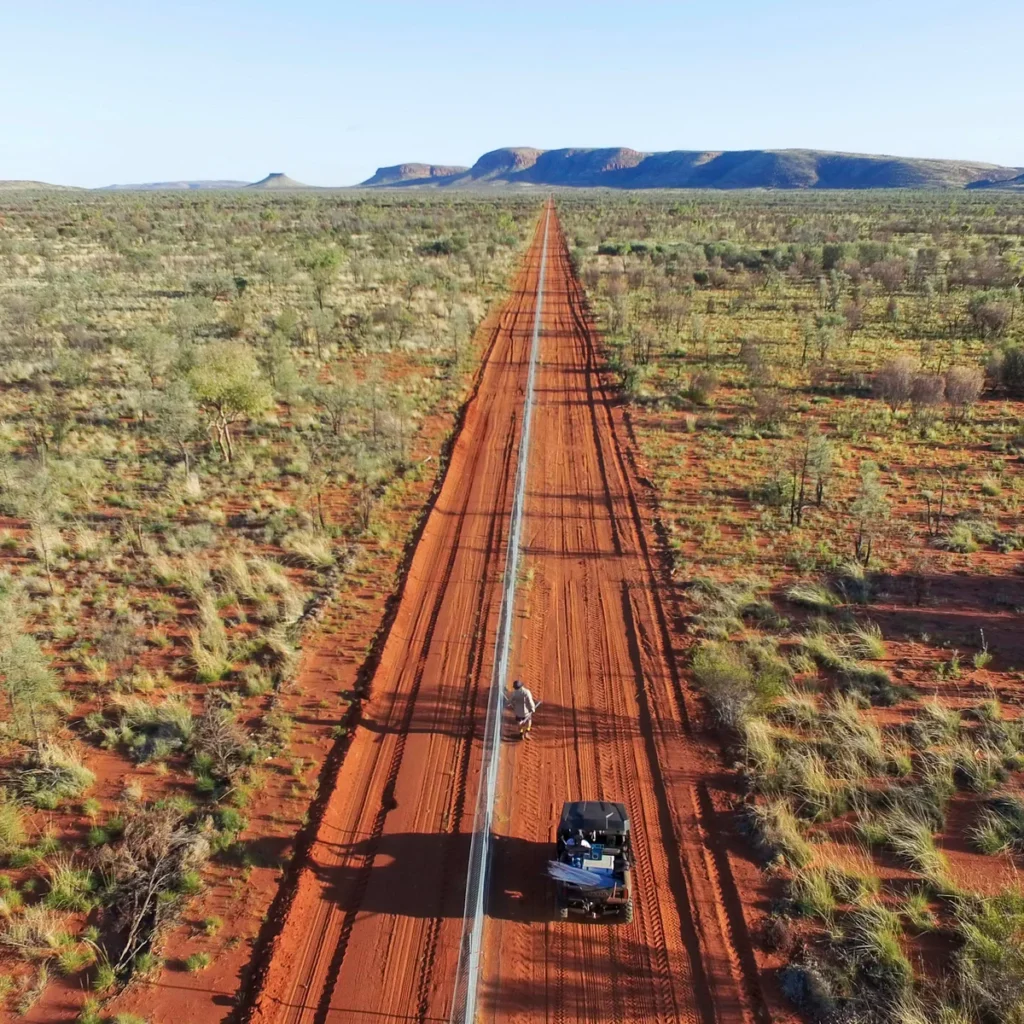
4. The World’s Longest Fence
The Dingo Fence was built to protect livestock, especially sheep, from dingoes (wild dogs).
- It stretches over 5,600 km
- It’s longer than the distance between New York and Los Angeles
Maintaining this fence is a major effort, but it has helped farmers reduce livestock losses in southeastern Australia.
5. More Beaches Than You Can Count
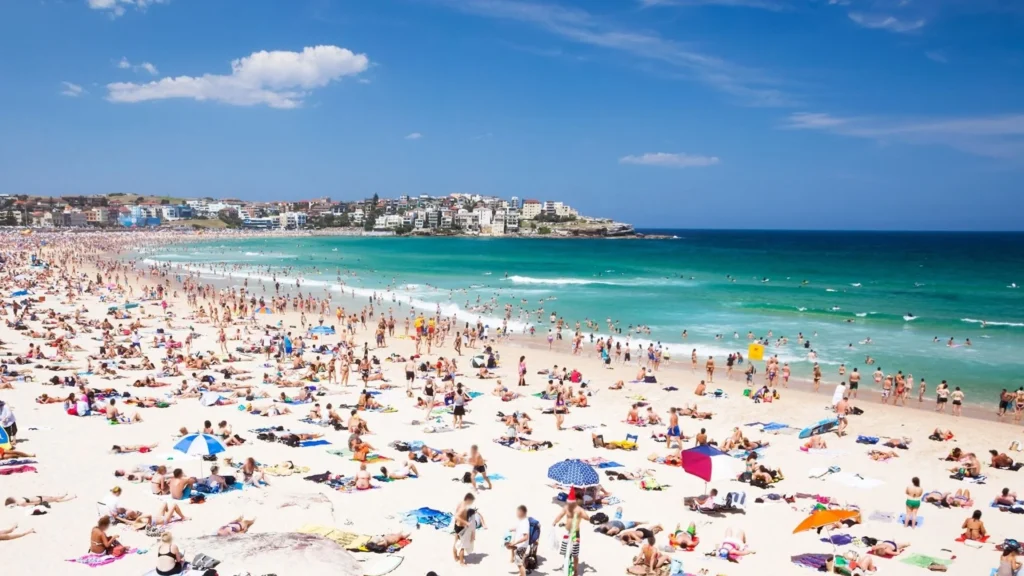
Australia has more than 10,000 beaches, thanks to its vast coastline.
- If you visited one beach per day, it would take about 27 years to see them all
- Many beaches are world-famous for surfing and tourism
The diversity ranges from white sandy shores to rugged cliffs and tropical coastlines.
6. The Vast and Mysterious Outback
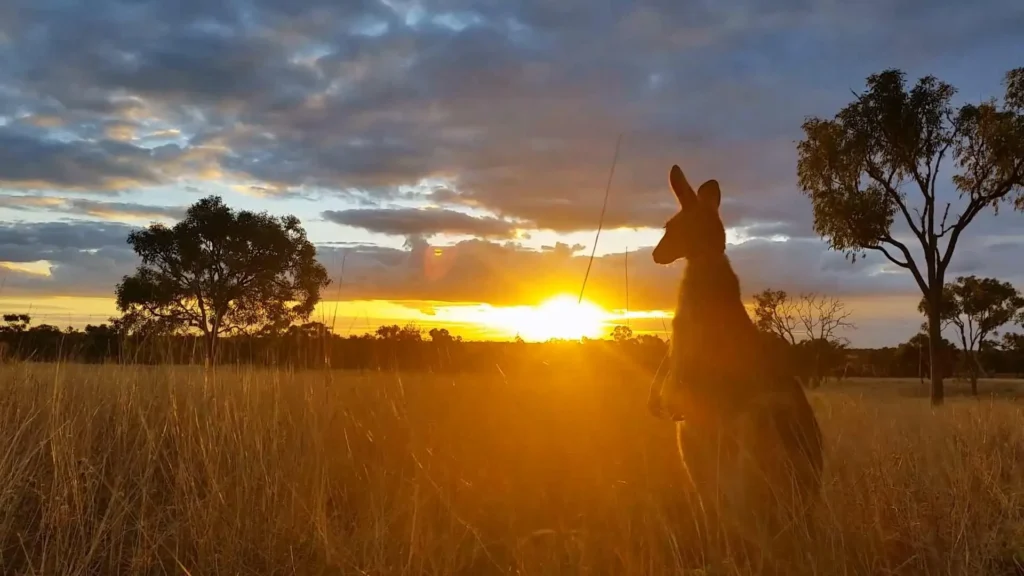
The Outback refers to the remote interior regions of Australia.
- It covers around 70% of the country
- It includes deserts like the Simpson Desert
Despite harsh conditions—extreme heat, limited water—it’s home to unique wildlife and Indigenous communities. It also contains iconic landmarks like Uluru, a sacred Aboriginal site.
7. Canberra: A Planned Capital
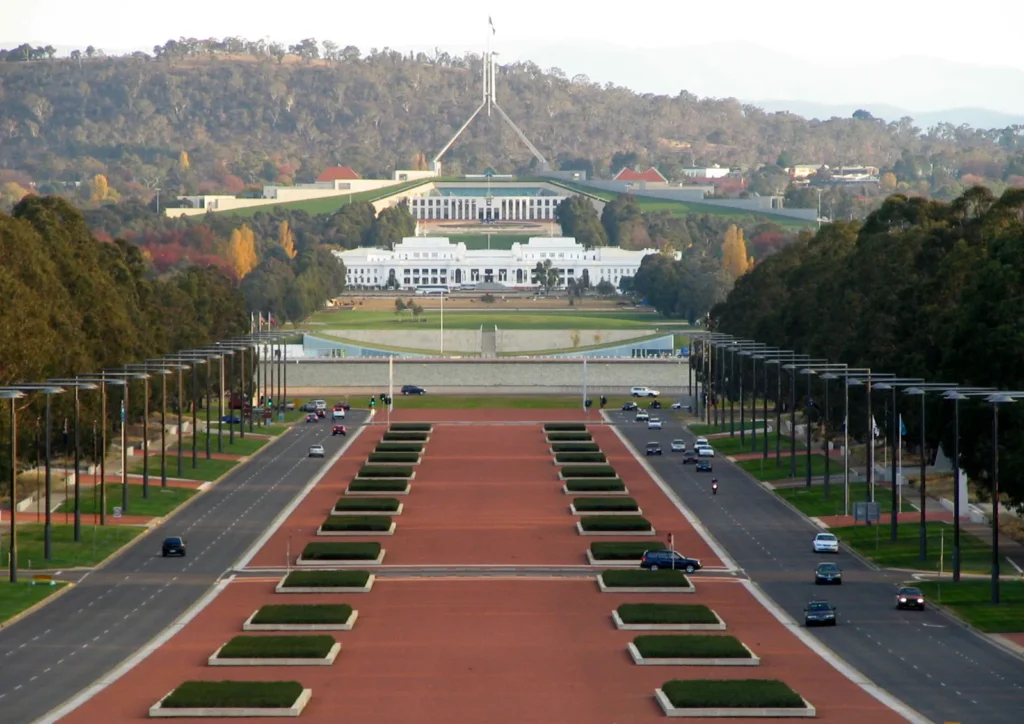
Instead of choosing between rivals Sydney and Melbourne, Australia created Canberra as a neutral capital.
- Designed in the early 20th century
- Known for its organized layout and green spaces
Today, it houses important government institutions, including Parliament House.
8. Highly Urbanized Population
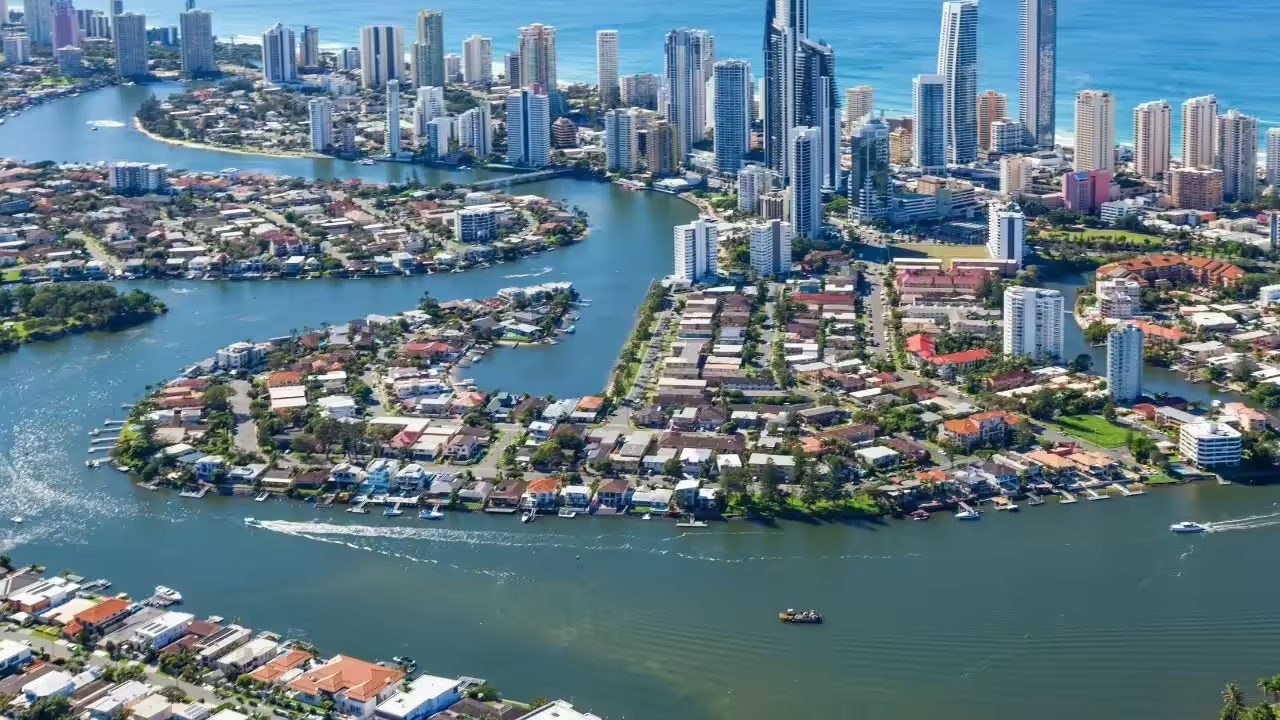
Even though Australia is विशाल in size, most people live near the coast.
Major cities include:
- Sydney – known for its harbor and landmarks
- Melbourne – famous for culture and arts
This concentration is due to the harsh conditions in the interior, making coastal regions more livable.
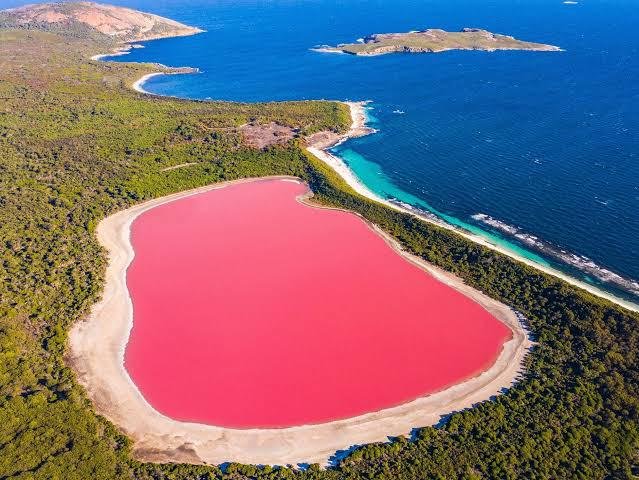
9. The Pink Lake Phenomenon
Lake Hillier is famous for its bright pink color.
- The color comes from algae and salt-loving bacteria
- It remains pink even when removed from the lake
These lakes are not just beautiful but also scientifically fascinating, showing how microorganisms can influence natural environments.
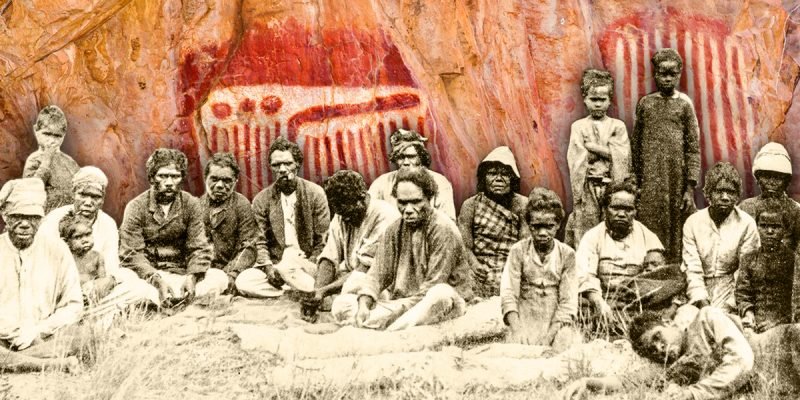
10. One of the Oldest Living Cultures
Australia’s Indigenous peoples have lived on the continent for over 65,000 years.
Their culture includes:
- Deep spiritual connections to the land
- Rich storytelling traditions (Dreamtime stories)
- Unique art forms like rock paintings
This makes Aboriginal culture one of the oldest continuous cultures in human history, offering valuable knowledge about sustainability and living in harmony with nature.
Final Thoughts
Australia is a country of contrasts—modern cities alongside ancient traditions, and harsh deserts beside vibrant reefs. Its uniqueness lies in its isolation, natural beauty, and cultural depth, making it one of the most fascinating places on Earth.