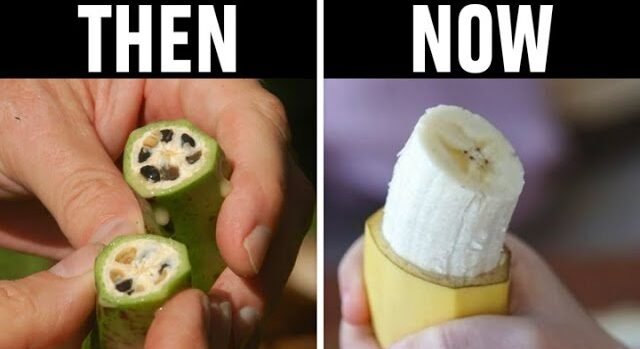
Bananas are one of the most popular fruits in the world today—sweet, soft, and conveniently seedless. But the bananas we eat now are very different from their wild ancestors. The journey from pre-domesticated bananas to modern varieties is a fascinating story of natural evolution, human intervention, and agricultural innovation.
What Were Pre-Domesticated Bananas Like?
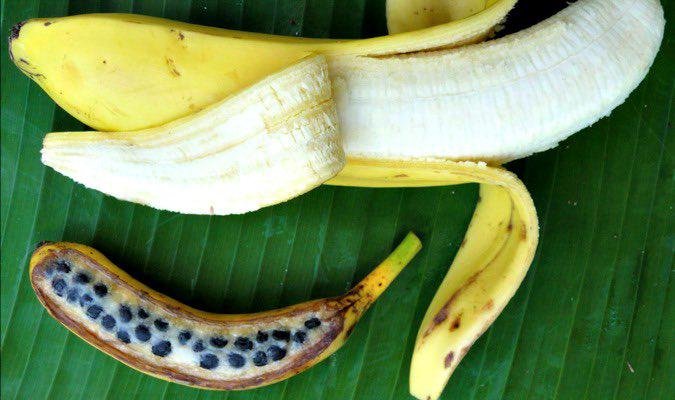
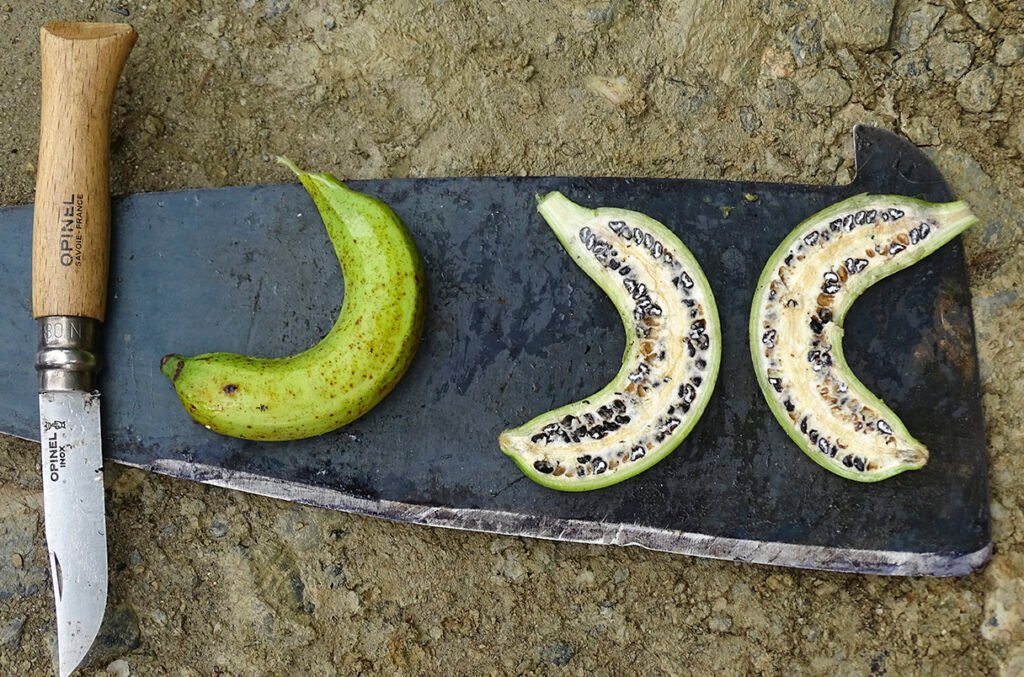
Wild bananas, often referred to as pre-domesticated bananas, looked and tasted very different from what we are used to today. They were smaller, less sweet, and filled with large, hard seeds that made them difficult to eat.
These early bananas grew naturally in tropical regions of Southeast Asia. Instead of being soft and creamy, their flesh was often starchy and sometimes bitter. The seeds inside were so tough that they could even damage teeth, making them far less appealing as a regular food source.

The Process of Domestication
Over thousands of years, humans began selecting banana plants that had more edible flesh and fewer seeds. This process, known as selective breeding, gradually transformed the fruit into something more enjoyable and practical to consume.
Farmers favored bananas that were softer, sweeter, and easier to grow. Over time, these cultivated varieties replaced wild ones in many regions. The domestication process also led to bananas that could be reproduced without seeds, using methods like planting cuttings from existing plants.
Characteristics of Modern Bananas
Today’s bananas are a result of this long process of selection and cultivation. Modern bananas are:
- Seedless or nearly seedless
- Soft and easy to eat
- Sweet and flavorful
- Uniform in size and shape
The most commonly consumed type is the Cavendish banana, which dominates global markets. Its consistency and durability make it ideal for large-scale farming and transportation.
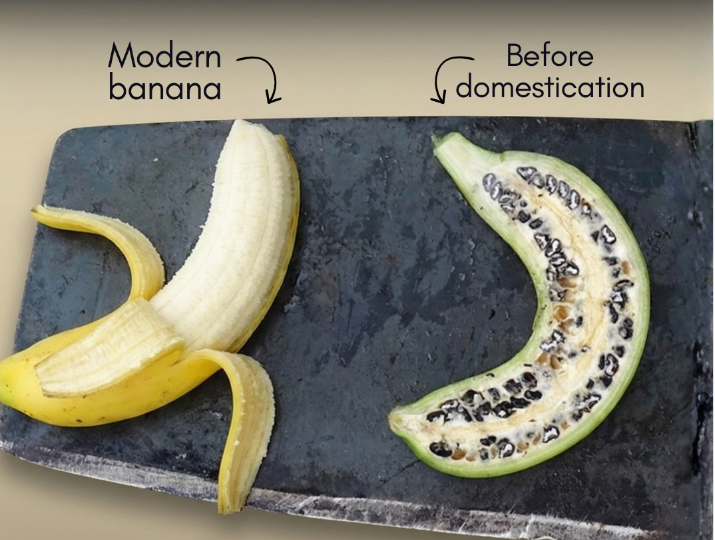
Key Differences Between Wild and Modern Bananas
Seeds
Wild bananas contain large, hard seeds, while modern bananas have tiny, undeveloped seeds that are barely noticeable.
Taste and Texture
Pre-domesticated bananas were often starchy and sometimes bitter. Modern bananas are sweet, soft, and creamy.
Reproduction
Wild bananas reproduce naturally through seeds. Modern bananas are propagated by cloning, which means new plants are grown from parts of existing ones.
Appearance
Wild bananas are smaller and less uniform, while modern bananas are larger, smoother, and more visually appealing.
Advantages and Challenges of Modern Bananas
Modern bananas are convenient and widely available, making them an important food source worldwide. However, their lack of genetic diversity creates challenges. Because many bananas are genetically identical, they are more vulnerable to diseases and pests.
This has led to concerns about the future of banana crops, as a single disease could potentially affect large portions of global production.
Why Wild Bananas Still Matter
Even though wild bananas are not commonly eaten, they play a crucial role in agriculture. They contain genetic traits that can help scientists develop disease-resistant varieties of modern bananas.
Preserving these wild species is essential for ensuring the long-term survival and sustainability of banana crops.
Conclusion
The transformation from pre-domesticated bananas to modern varieties highlights the power of human innovation in agriculture. While today’s bananas are far more convenient and enjoyable to eat, they also come with new challenges.
Understanding this evolution not only deepens our appreciation for a common fruit but also reminds us of the importance of biodiversity and sustainable farming for the future.