 11
11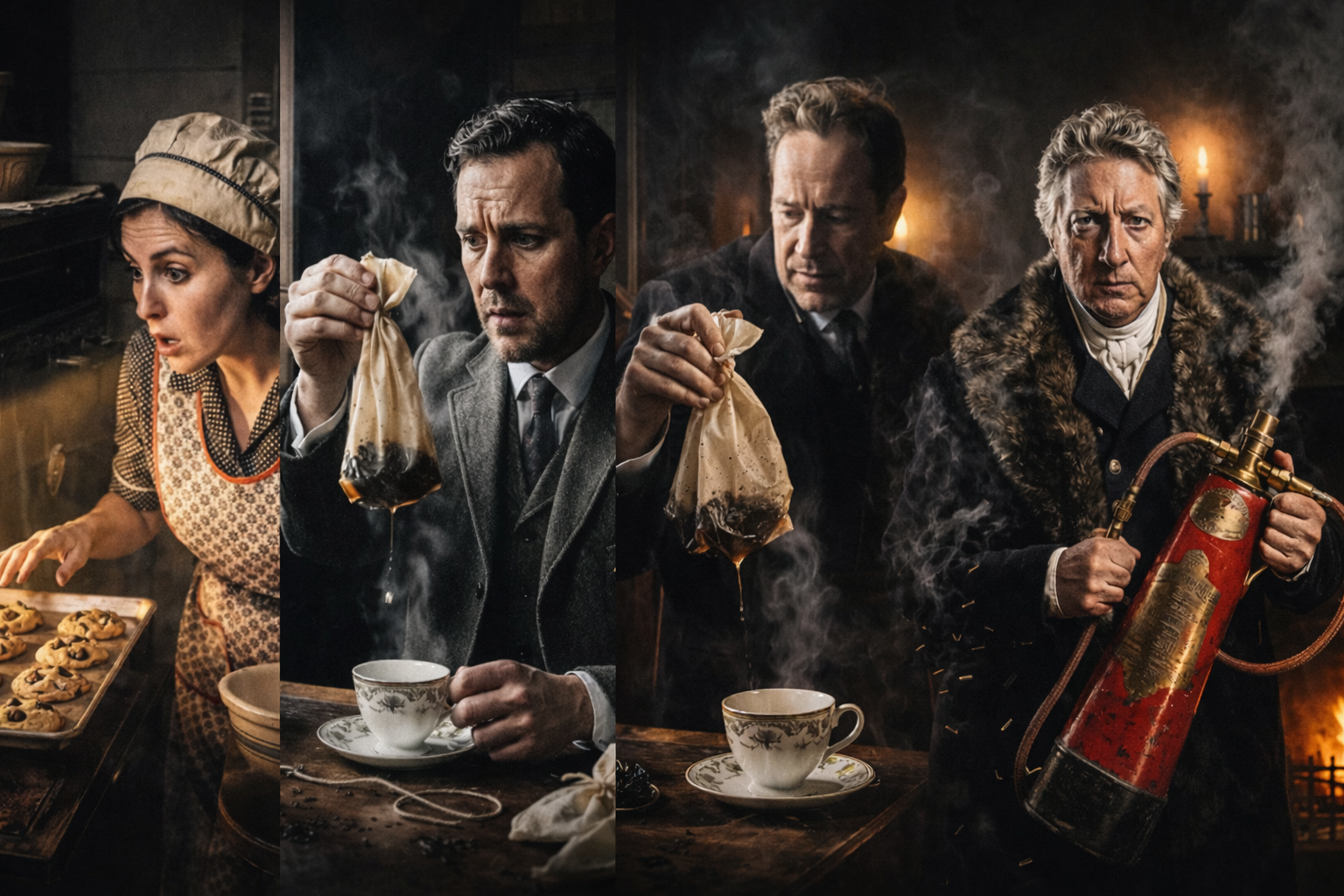
Some of the most ordinary items in our lives have extraordinary origin stories. From kitchen accidents to wartime experiments, these inventions shaped modern life in surprising ways.
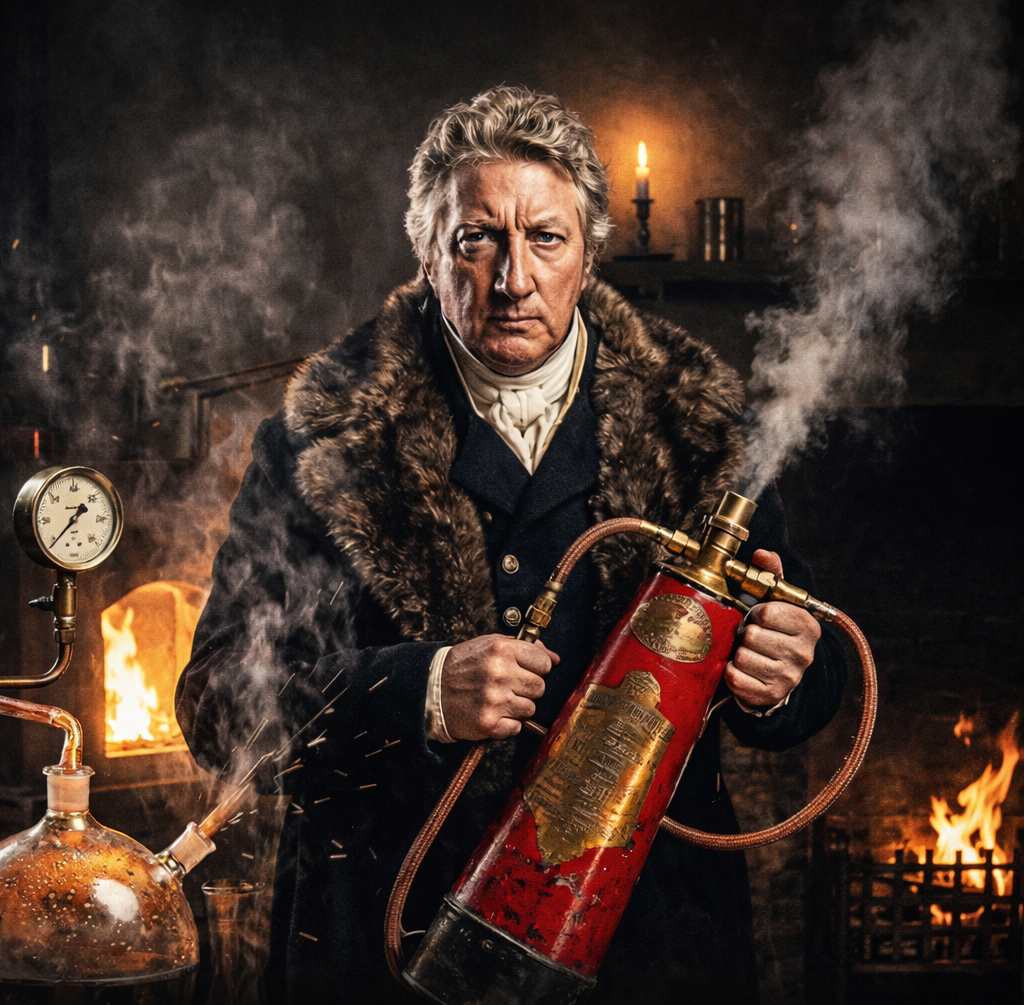
The first modern fire extinguisher was invented in 1818 by British inventor George William Manby.
Manby created a portable device made of a copper container filled with potassium carbonate solution and compressed air. At the time, fires in wooden buildings were common and devastating. His invention allowed individuals to fight small fires quickly before they spread.
Though primitive compared to modern extinguishers, Manby’s design laid the foundation for the life-saving safety device we use today.
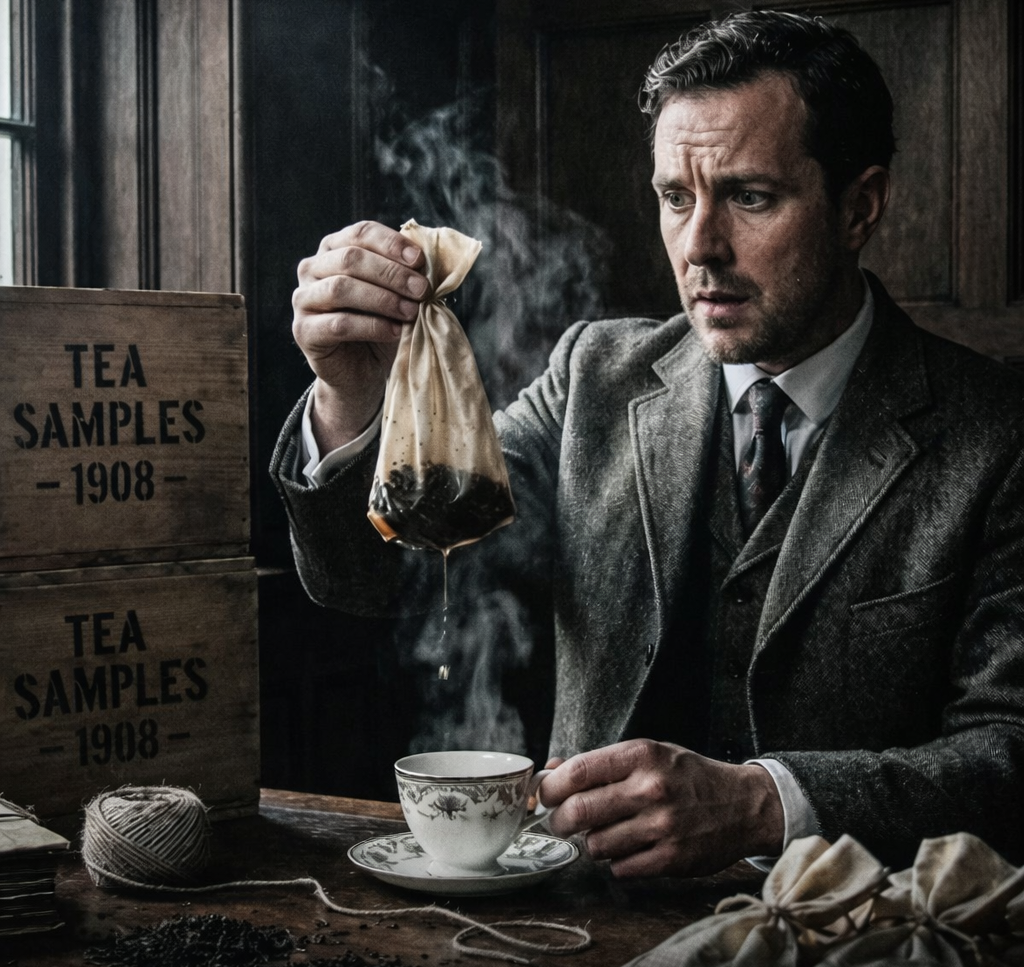
Tea bags were invented almost by accident by American tea merchant Thomas Sullivan.
In 1908, Sullivan began sending tea samples to customers in small silk pouches to save money on tins. Customers mistakenly dipped the entire pouch into hot water — and loved the convenience.
Realizing the potential, tea bags were redesigned using gauze and later paper. What began as a packaging shortcut became a global standard.
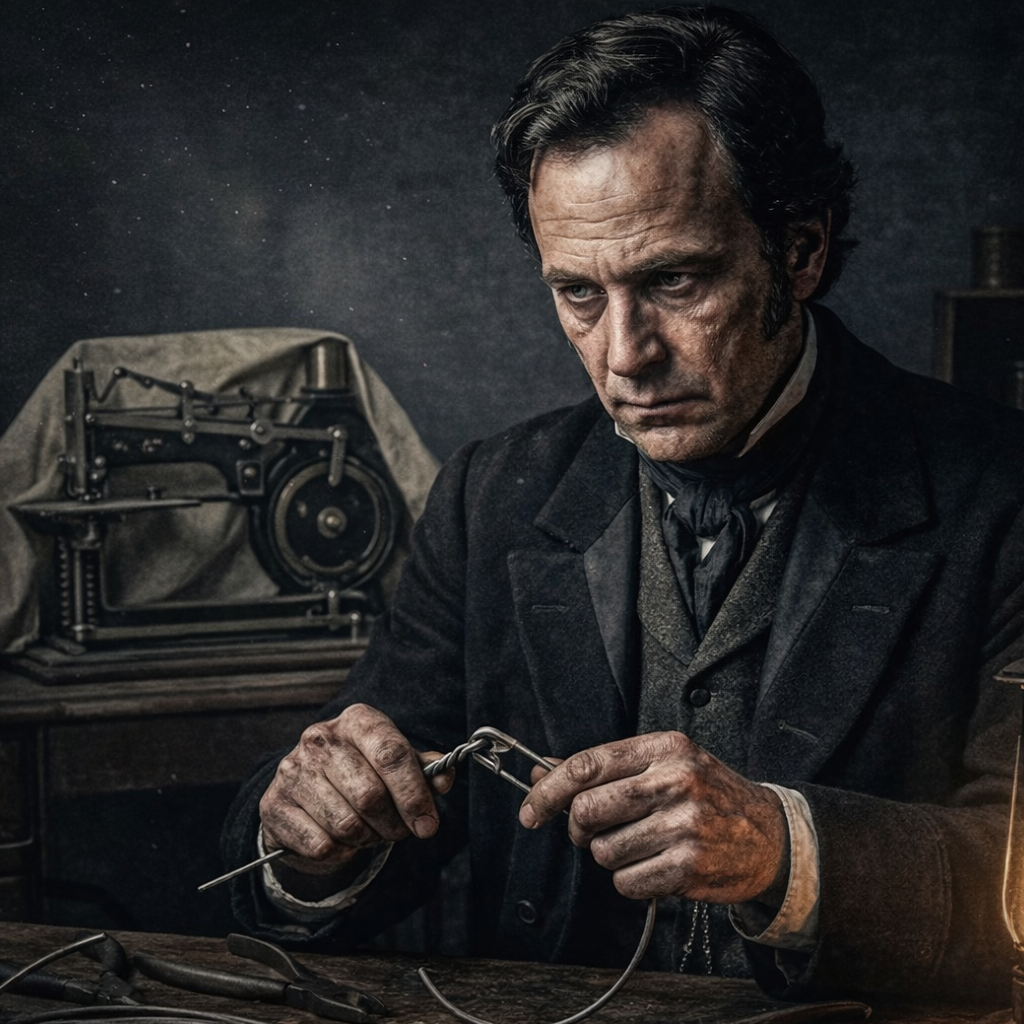
The safety pin was invented in 1849 by American mechanic Walter Hunt.
Ironically, Hunt created it to pay off a $15 debt. He twisted a piece of brass wire into a coiled pin with a clasped cover — a design that protected users from being pricked.
He sold the patent for just $400, never realizing how widely used his simple but brilliant invention would become.

Pepsi was invented in 1893 by pharmacist Caleb Bradham in New Bern, North Carolina.
Originally called “Brad’s Drink,” it was created as a digestive aid and refreshing soda fountain beverage. In 1898, Bradham renamed it “Pepsi-Cola,” inspired by the digestive enzyme pepsin.
Though the company faced bankruptcy early on, Pepsi eventually became one of the world’s largest soft drink brands.

Chocolate chip cookies were invented in 1938 by Ruth Wakefield at the Toll House Inn in Massachusetts.
According to popular legend, Wakefield added chopped pieces of a Nestlé chocolate bar into cookie dough, expecting them to melt evenly. Instead, the chocolate held its shape, creating soft melted chunks inside the cookie.
Nestlé later struck a deal with Wakefield to print her recipe on chocolate packages — turning the cookie into an American classic.
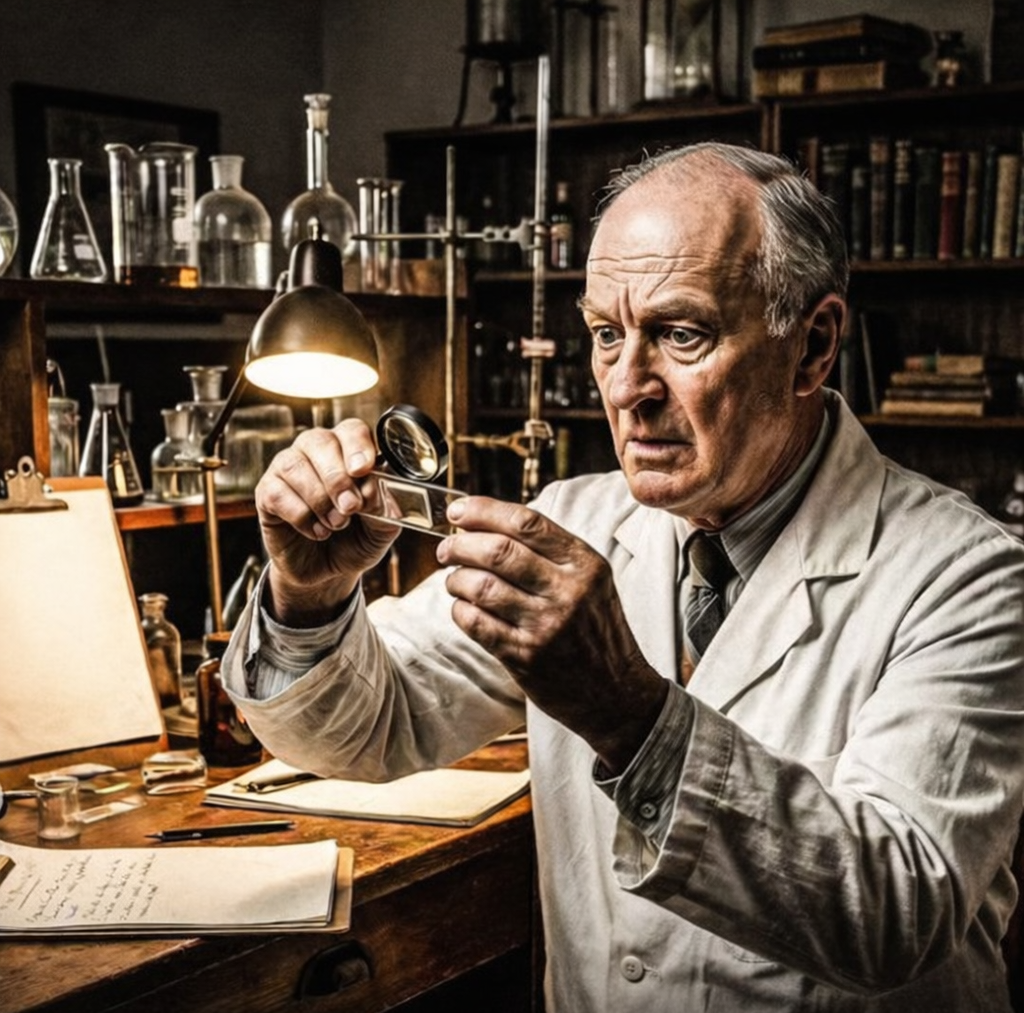
Super Glue was accidentally discovered in 1942 by chemist Harry Coover while working on clear plastic gun sights during World War II.
The substance, cyanoacrylate, was initially rejected because it stuck to everything — including laboratory equipment.
Years later, Coover realized its potential as a powerful adhesive. Today, Super Glue is used in households, medicine, and even battlefield wound sealing.
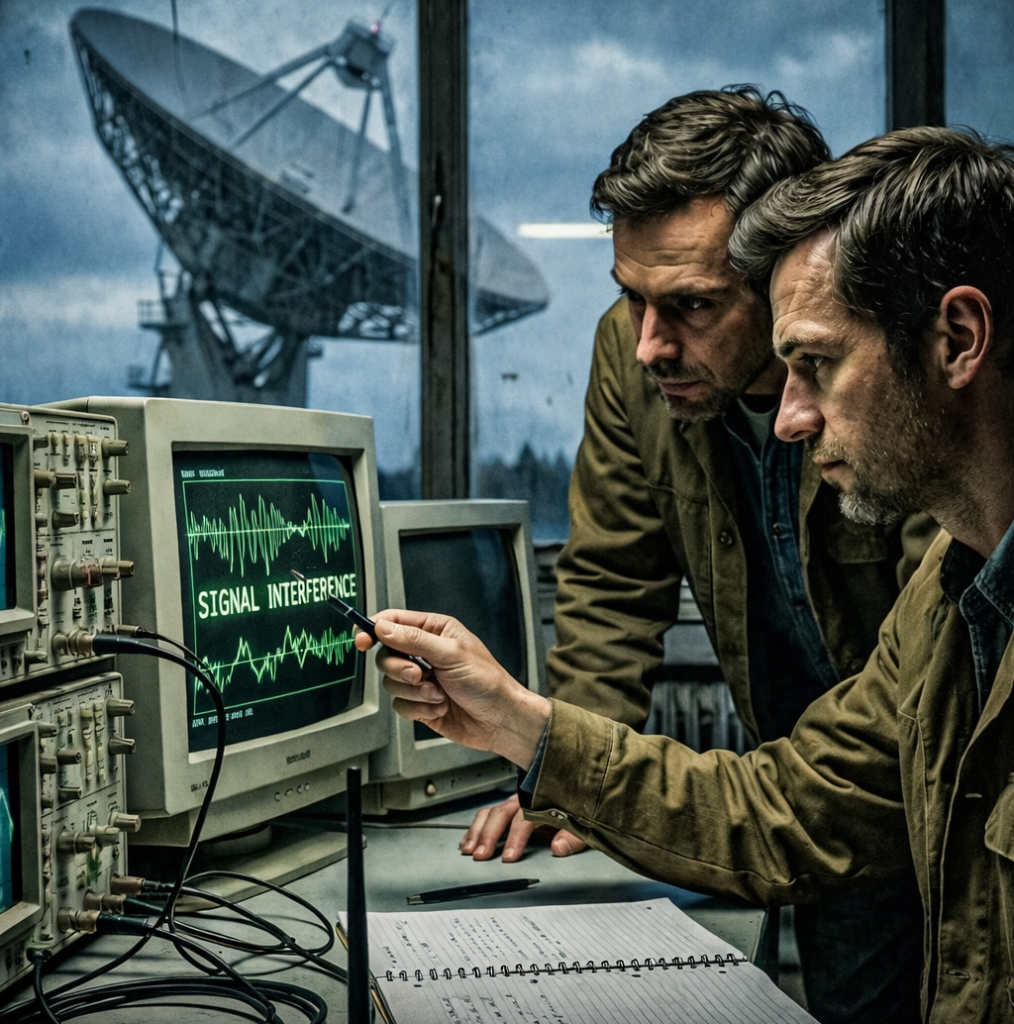
Wi-Fi technology was standardized in 1997 by the Institute of Electrical and Electronics Engineers (IEEE) under the 802.11 standard.
The development built on decades of radio frequency research. A key breakthrough came from Australian scientists at CSIRO, who developed technology to reduce signal interference.
What started as a way to wirelessly connect computers has evolved into the invisible backbone of modern life — powering smartphones, smart homes, and global communication.
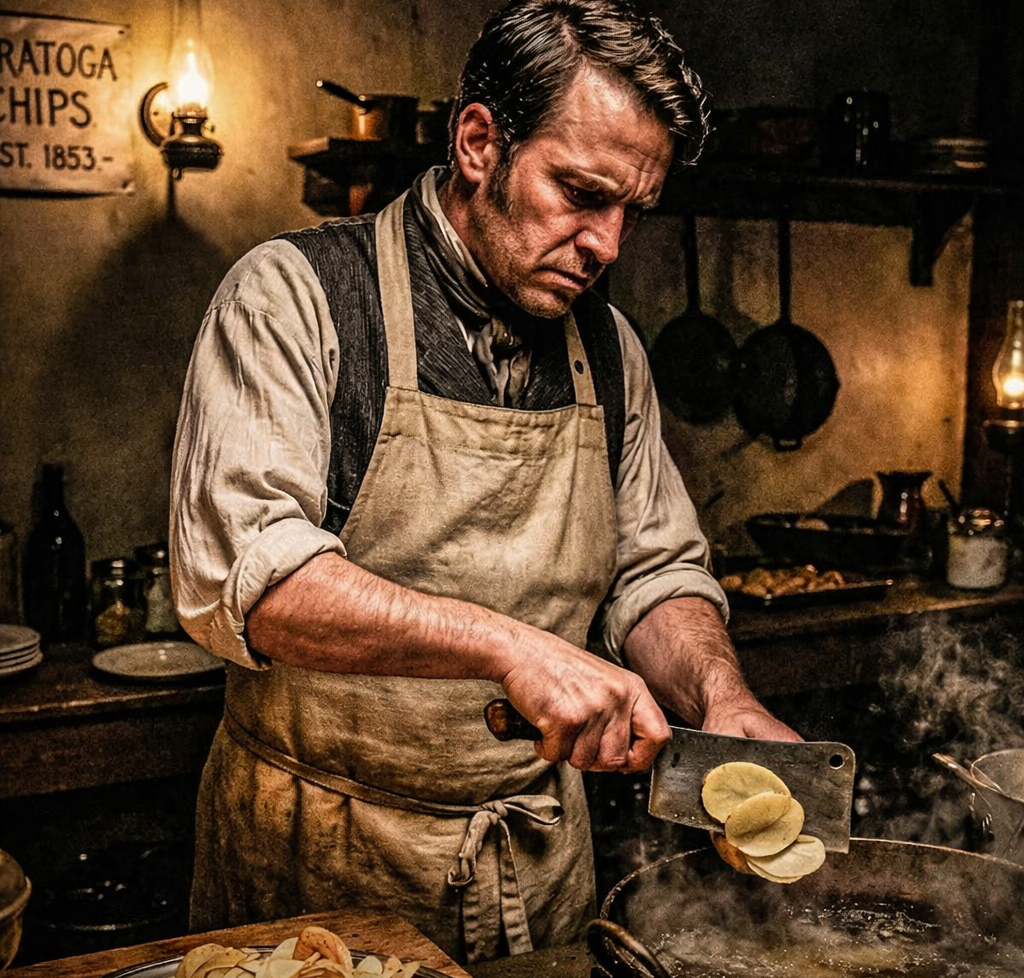
Potato chips were reportedly invented in 1853 by chef George Speck in Saratoga Springs, New York.
Legend says a customer kept complaining that his fried potatoes were too thick. Frustrated, Speck sliced them paper-thin and fried them until crispy.
Instead of being angry, the customer loved them. “Saratoga Chips” quickly became a hit, eventually turning into a multi-billion-dollar snack industry.
Looking at these stories, a clear pattern emerges:
Innovation doesn’t always come from grand plans. Sometimes it comes from mistakes, frustration, or simple curiosity.
The objects we use every day often carry hidden stories of risk, creativity, and unexpected genius.