 11
11
Sometimes, a single image can completely reshape how we understand everyday things. From microscopic structures to extreme engineering and rare biological conditions, these unusual visuals reveal a hidden side of reality most people never notice. Here are eleven fascinating subjects that, when seen up close or in the right context, can truly change your perception.
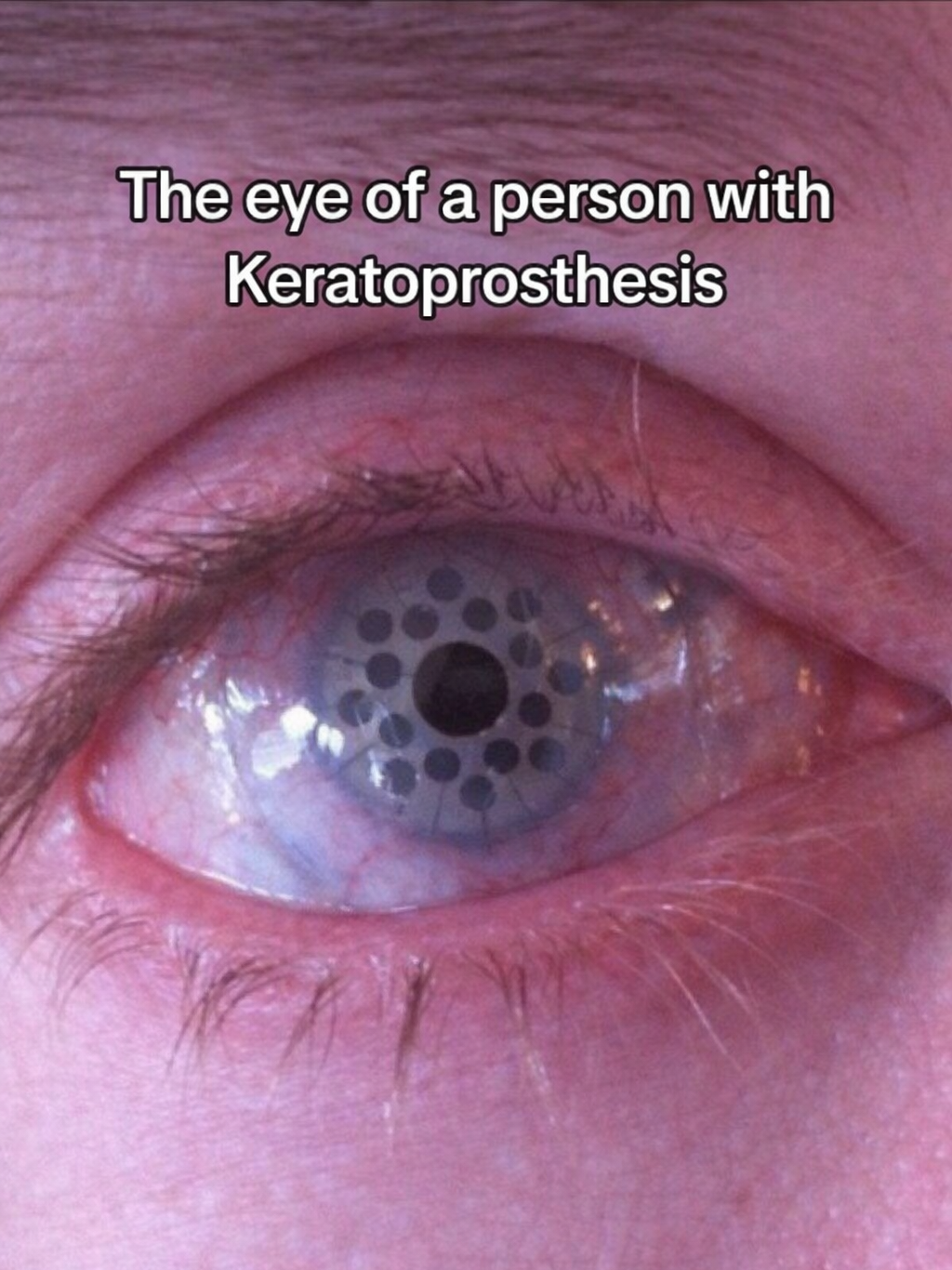
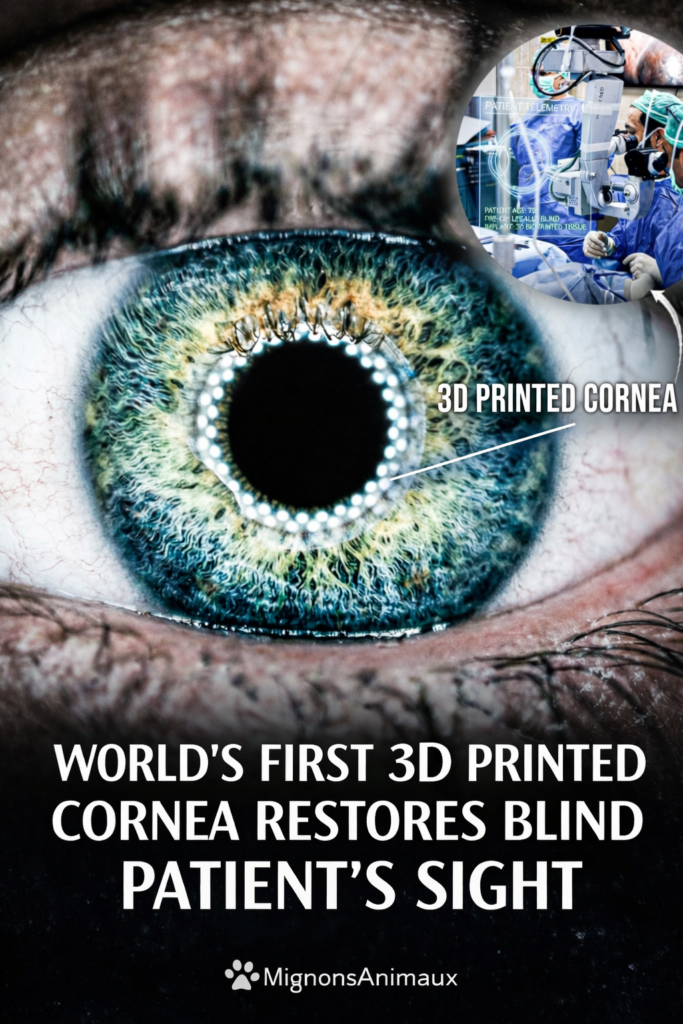
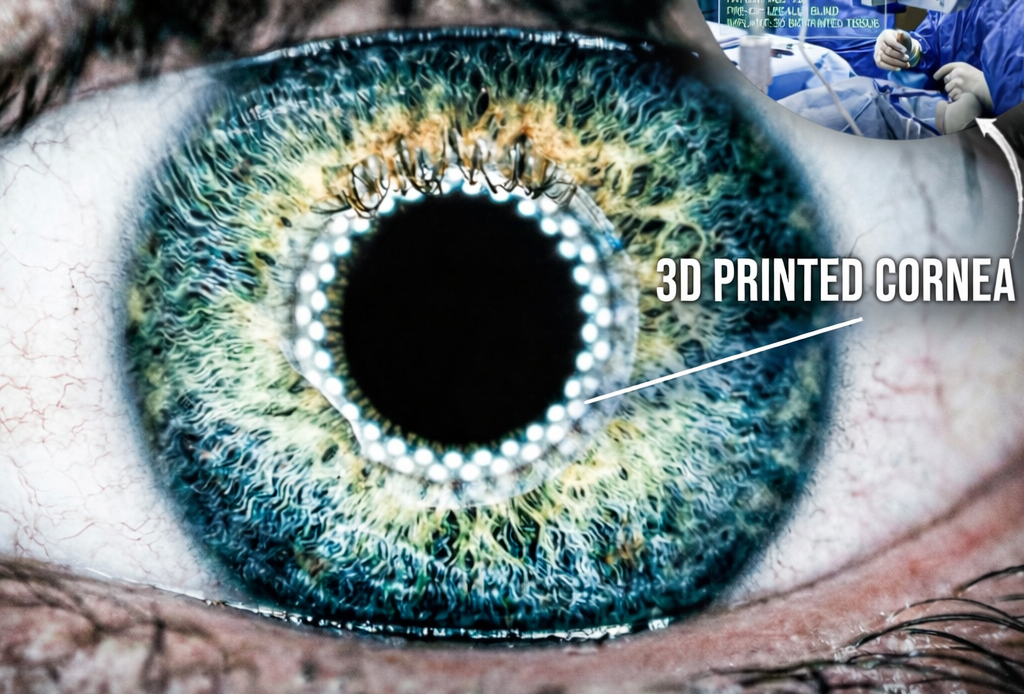
Imagine looking into an eye that has a man-made lens embedded in it. A keratoprosthesis is an artificial cornea used when a natural one cannot be repaired. Up close, it looks almost mechanical—like a camera lens fused with human tissue. It blurs the line between biology and technology, making you realize how far medical science has come in restoring vision.
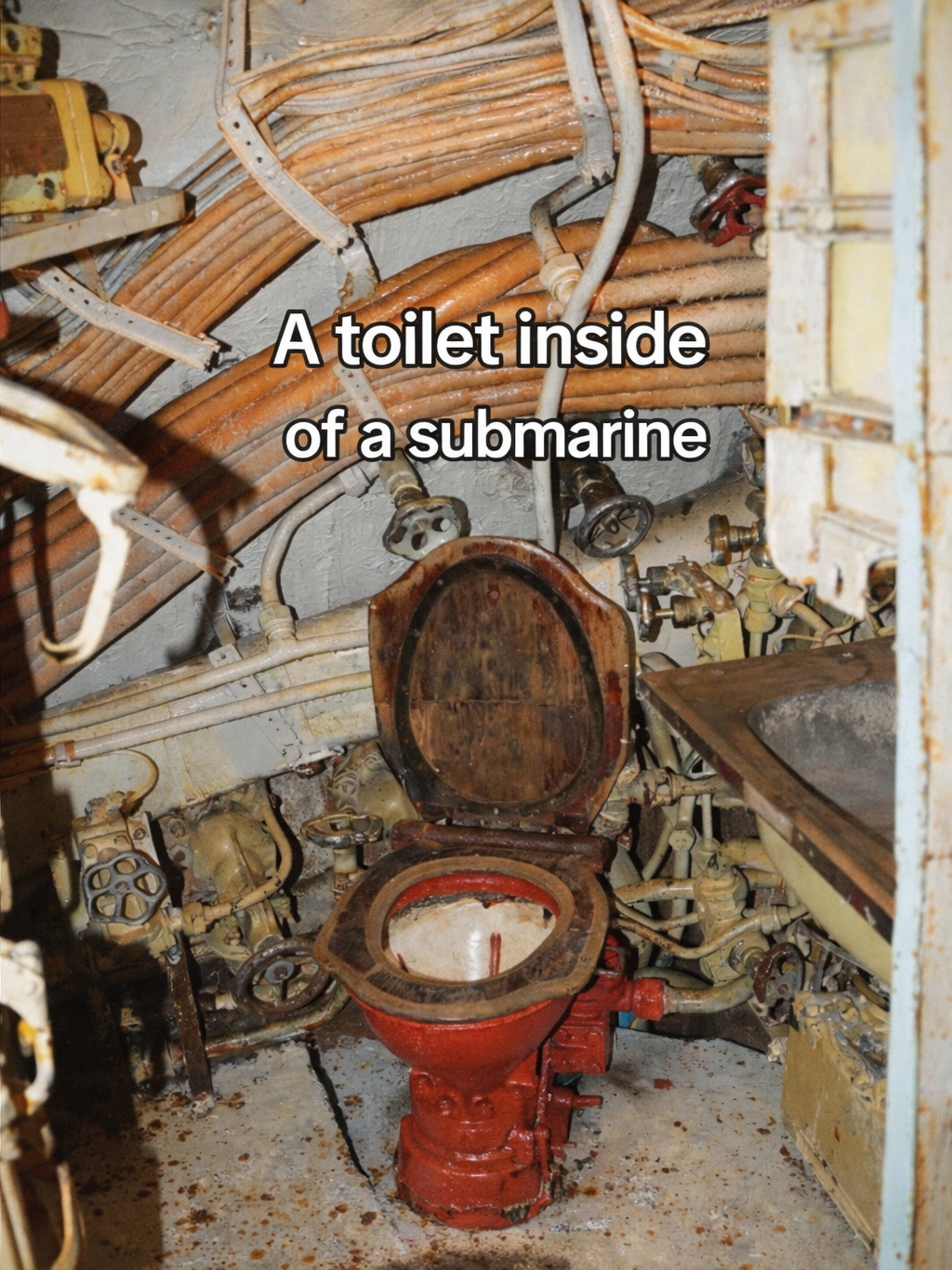
A submarine toilet is nothing like the one in your home. It’s a complex system that requires training to use properly. Because submarines operate under extreme pressure, flushing involves valves, compressed air, and precise timing. One mistake can cause… unpleasant consequences. Seeing it makes you appreciate how even the simplest daily routines become engineering challenges underwater.
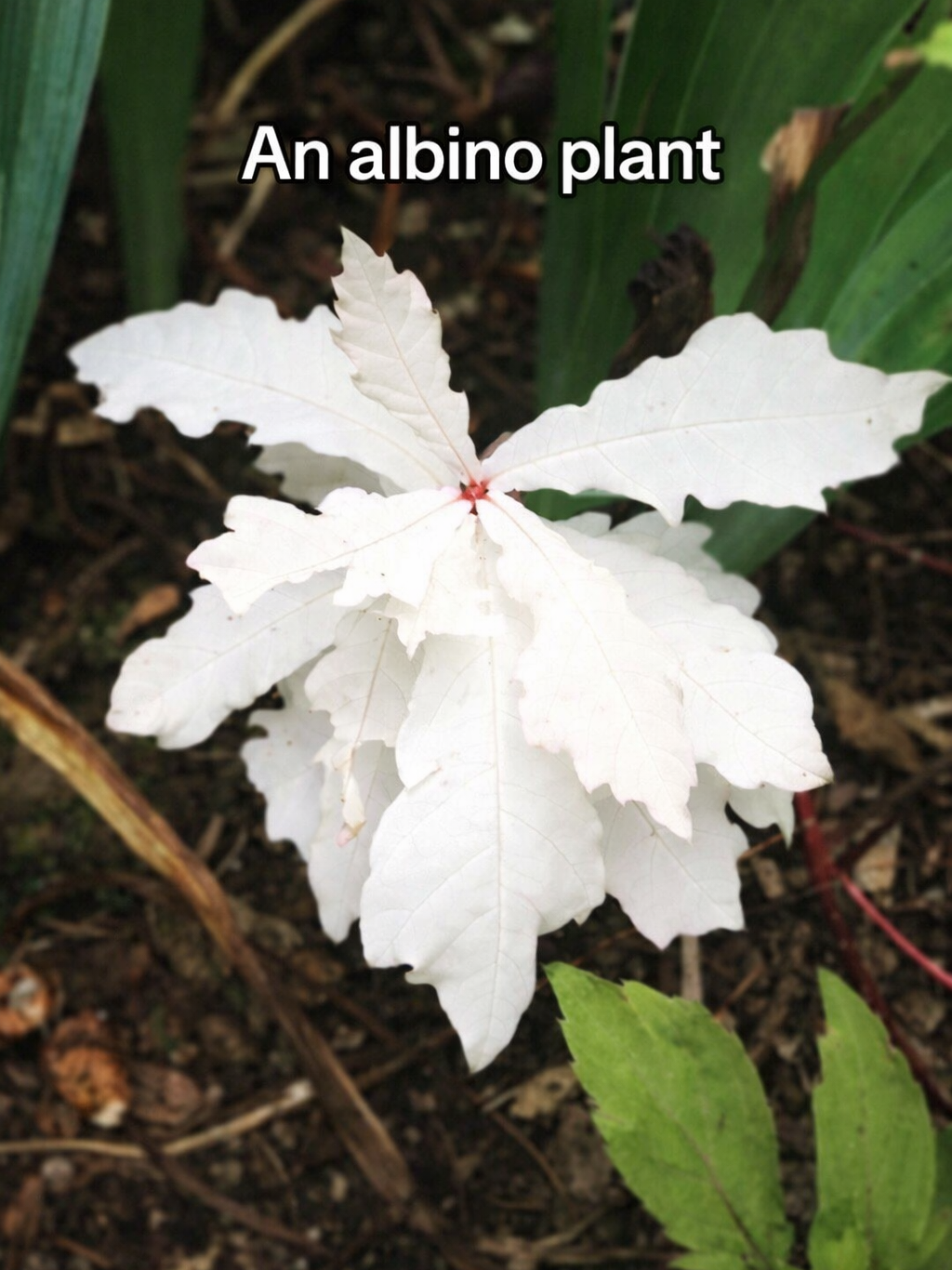
An albino plant lacks chlorophyll, the green pigment essential for photosynthesis. Instead of green, it appears ghostly white or pale yellow. It shouldn’t survive—but sometimes it does, relying on nearby plants or stored nutrients. It’s a haunting reminder that life can exist even when it seems impossible.
https://www.profitablecpmratenetwork.com/gyfptqaaj?key=633840a40b8205035c8ee25894298f7f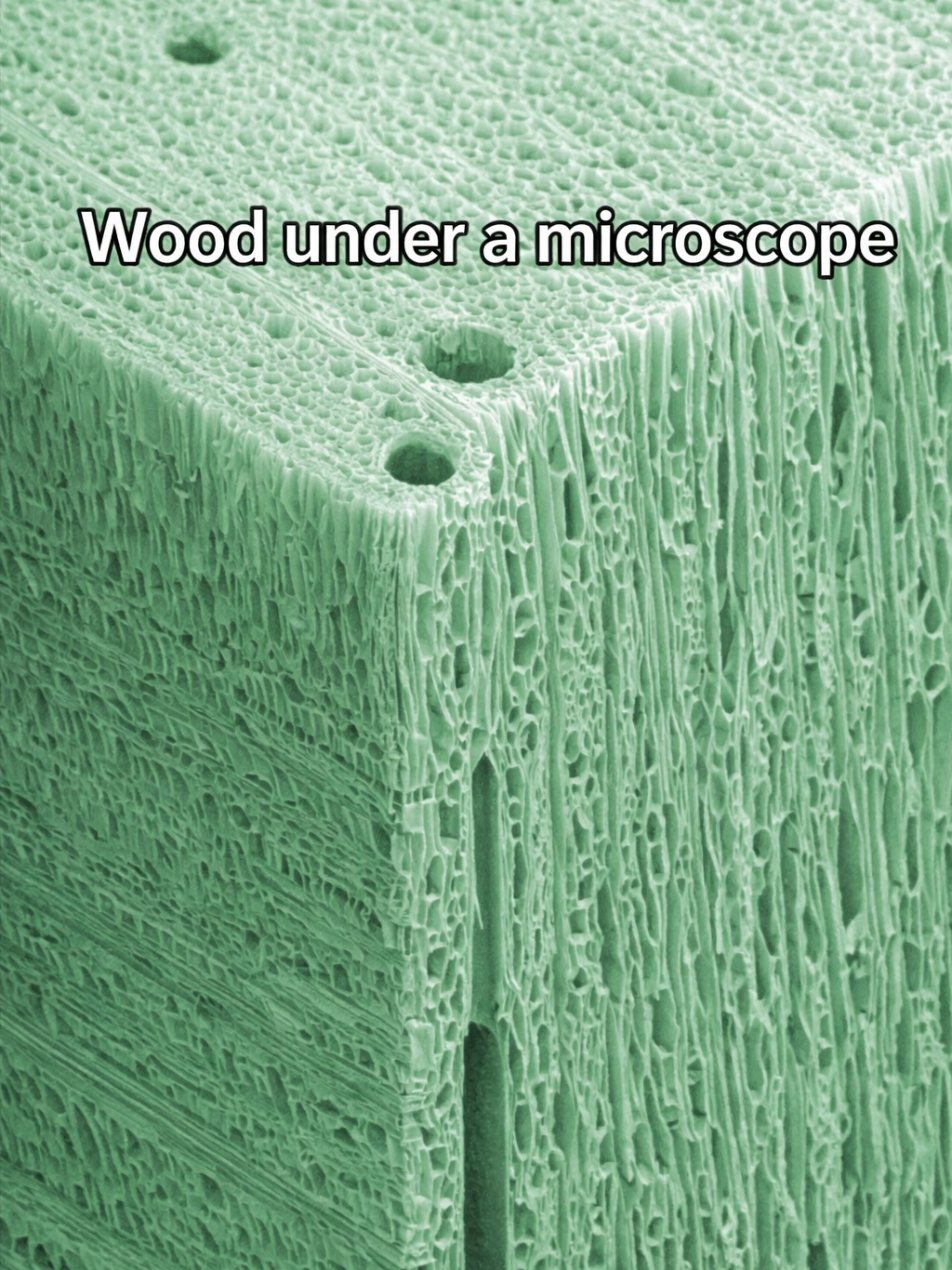
Under a microscope, wood transforms into a network of tiny tubes and patterns that resemble a futuristic city. These structures once transported water and nutrients through a living tree. Seeing this intricate design reveals that even something as ordinary as wood is engineered with astonishing precision.

When a high-voltage wire touches the ground, the electricity spreads outward in concentric gradients—a phenomenon explained by Electric potential difference. This creates “step voltage,” where the ground itself becomes dangerous. A photo of this situation isn’t just striking—it’s a life-saving lesson in why you should never approach a fallen wire.
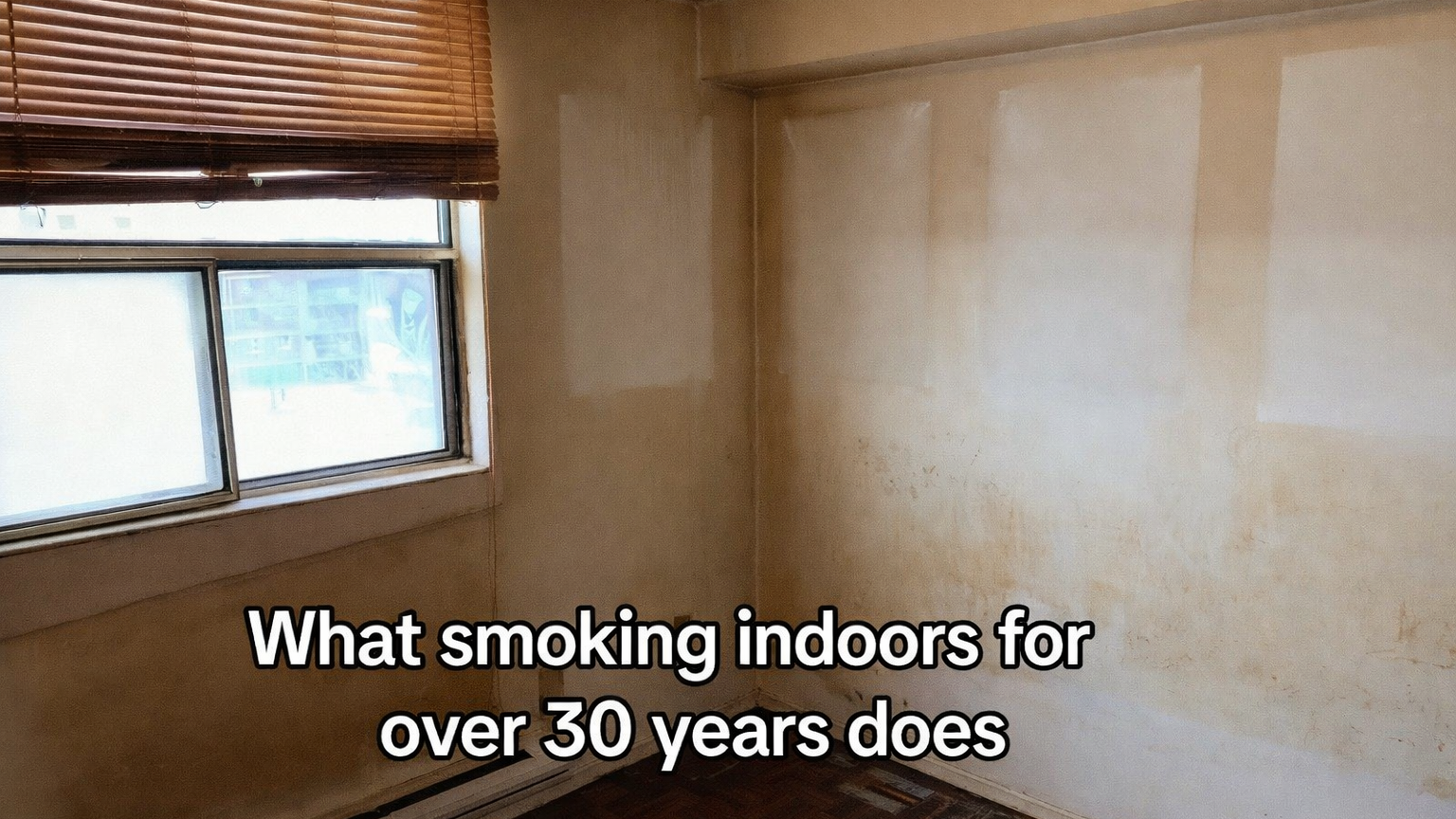
Images of walls and ceilings from homes where people have smoked indoors for decades are shocking. Surfaces once white turn deep yellow-brown, coated with tar and nicotine residue. These visuals don’t just show damage to a house—they hint at what long-term smoking can do inside the human body.

The nose of an experimental Shinkansen train looks more like a futuristic aircraft than a train. Its elongated, aerodynamic shape is designed to reduce noise and air pressure when exiting tunnels. Seeing it makes you realize how much science goes into making something appear effortlessly fast.
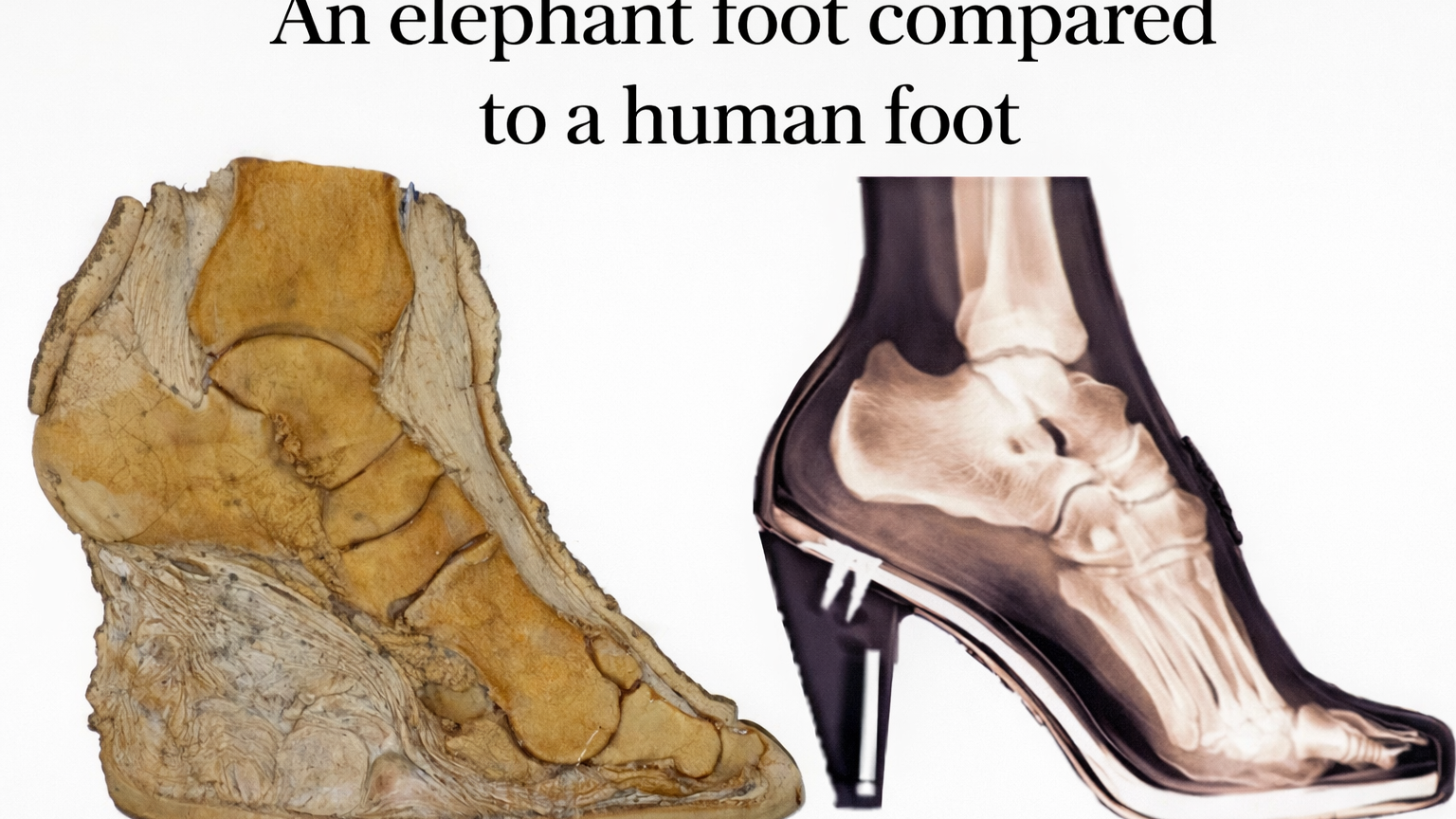
Comparing the foot of an Elephant to a human foot skeleton is mind-blowing. Despite their size, elephants walk on a structure that includes a cushion-like pad and hidden toe bones. It’s a reminder that evolution solves problems in ways we’d never imagine.
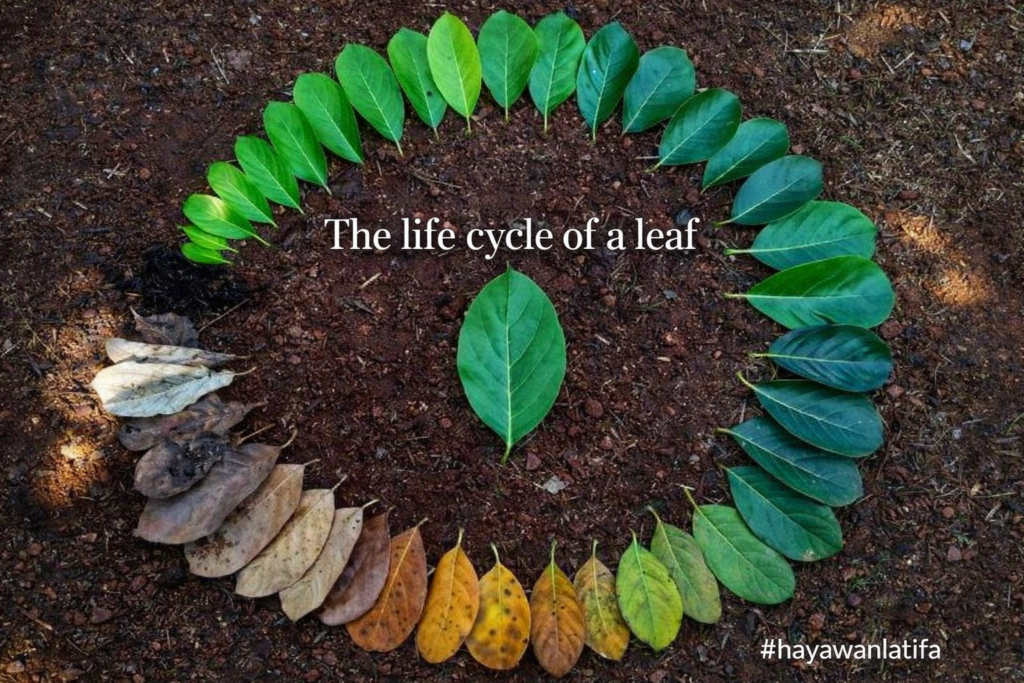
From a tiny bud to a vibrant green leaf, and finally to a dry, brittle remnant, the life cycle of a leaf is a visual story of time itself. Each stage represents growth, function, decay, and renewal. Seeing all stages side by side changes how you view something as simple as a falling leaf.
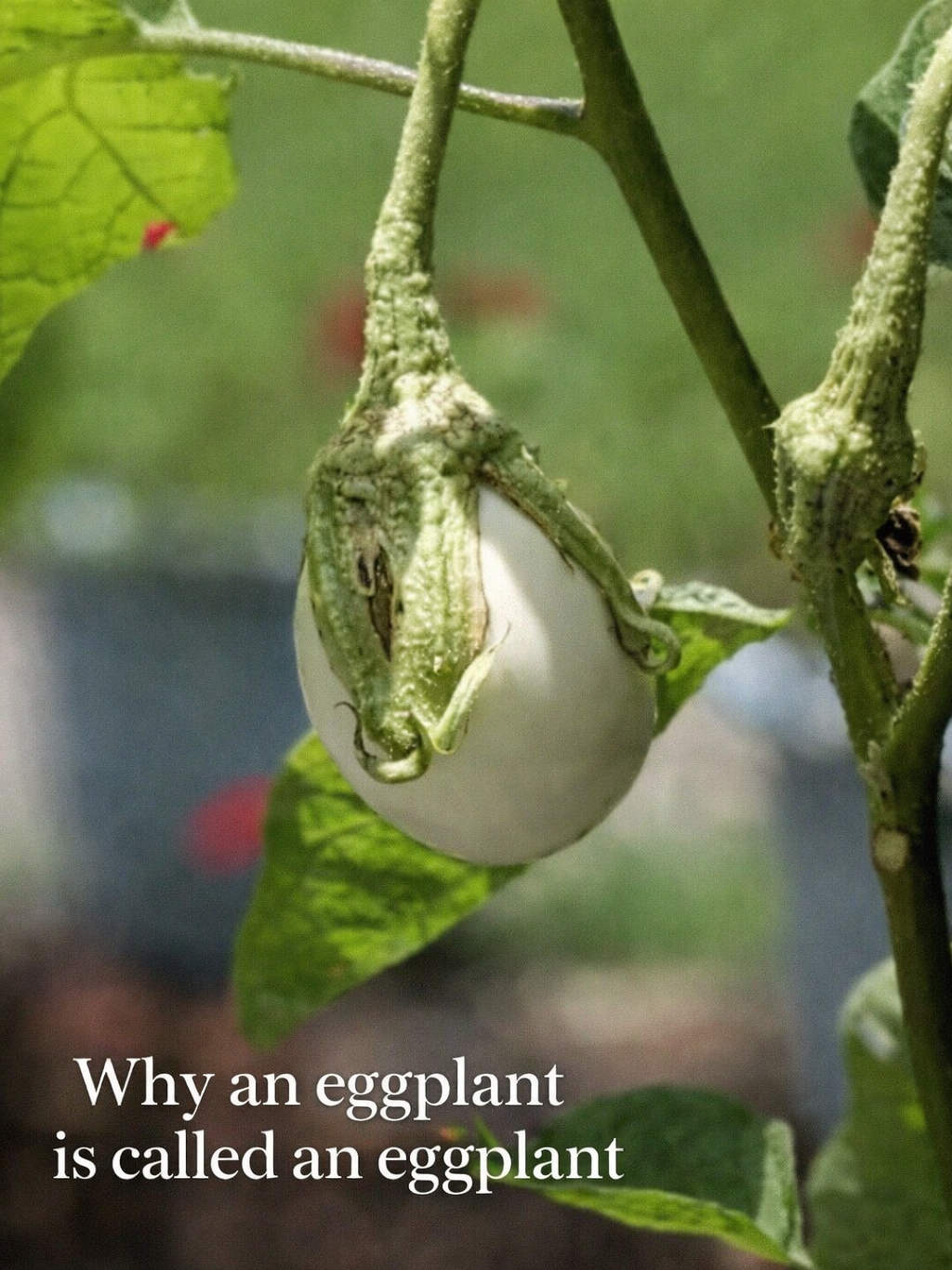
The name seems odd—until you see early varieties. Historically, eggplants were small, white, and oval, closely resembling eggs. The modern purple version we know today evolved later. A simple photo of the original fruit suddenly makes the name make perfect sense.
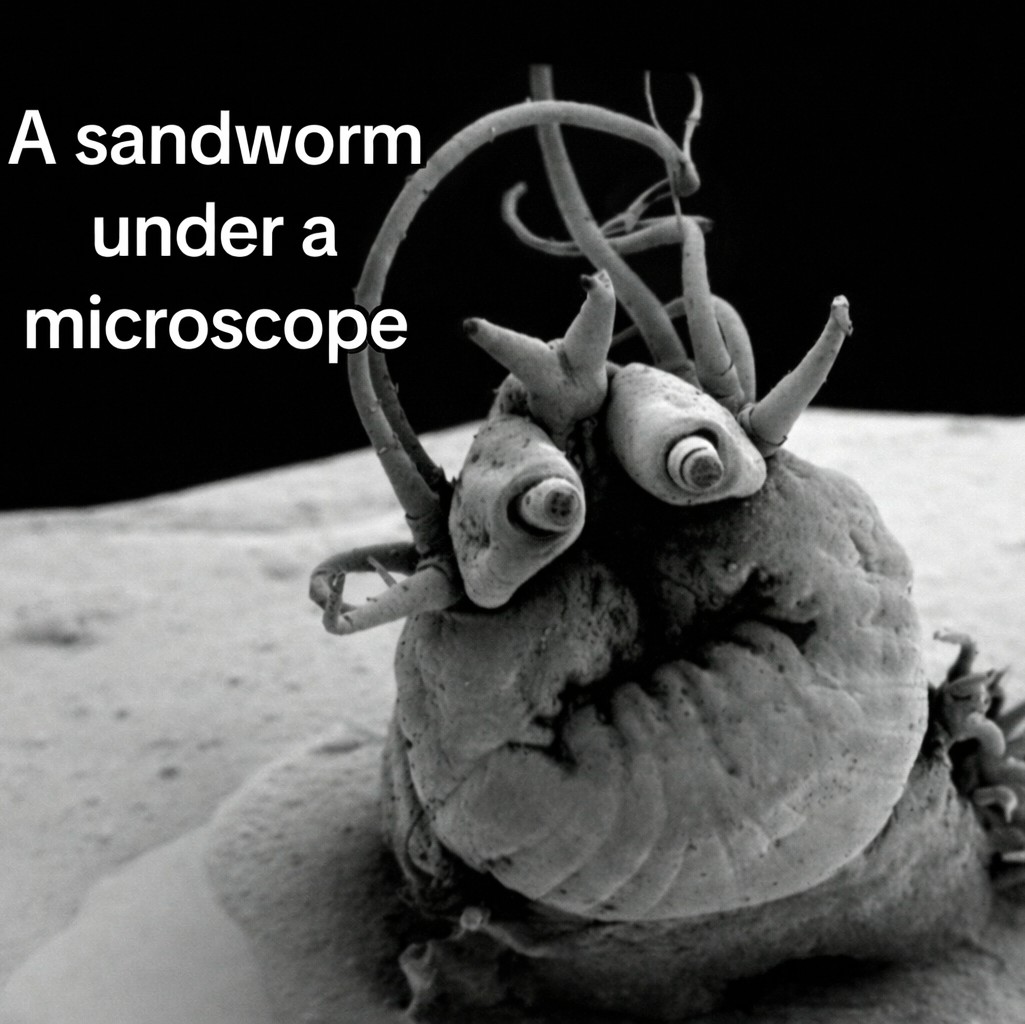
Magnified under a microscope, a sandworm looks like something from a science fiction movie. Its segmented body, tiny bristles, and alien-like features reveal a level of complexity invisible to the naked eye. It’s a reminder that entire “alien worlds” exist at microscopic scales all around us.
These images challenge the way we see reality. They reveal that beneath the surface of ordinary life lies a world of hidden complexity, strange beauty, and surprising truths. Whether it’s the inside of an engineered eye, the structure of wood, or the life cycle of a leaf, each one invites us to look closer—and think differently.
Because sometimes, changing your perspective doesn’t require a new world… just a new way of seeing this one.