 11
11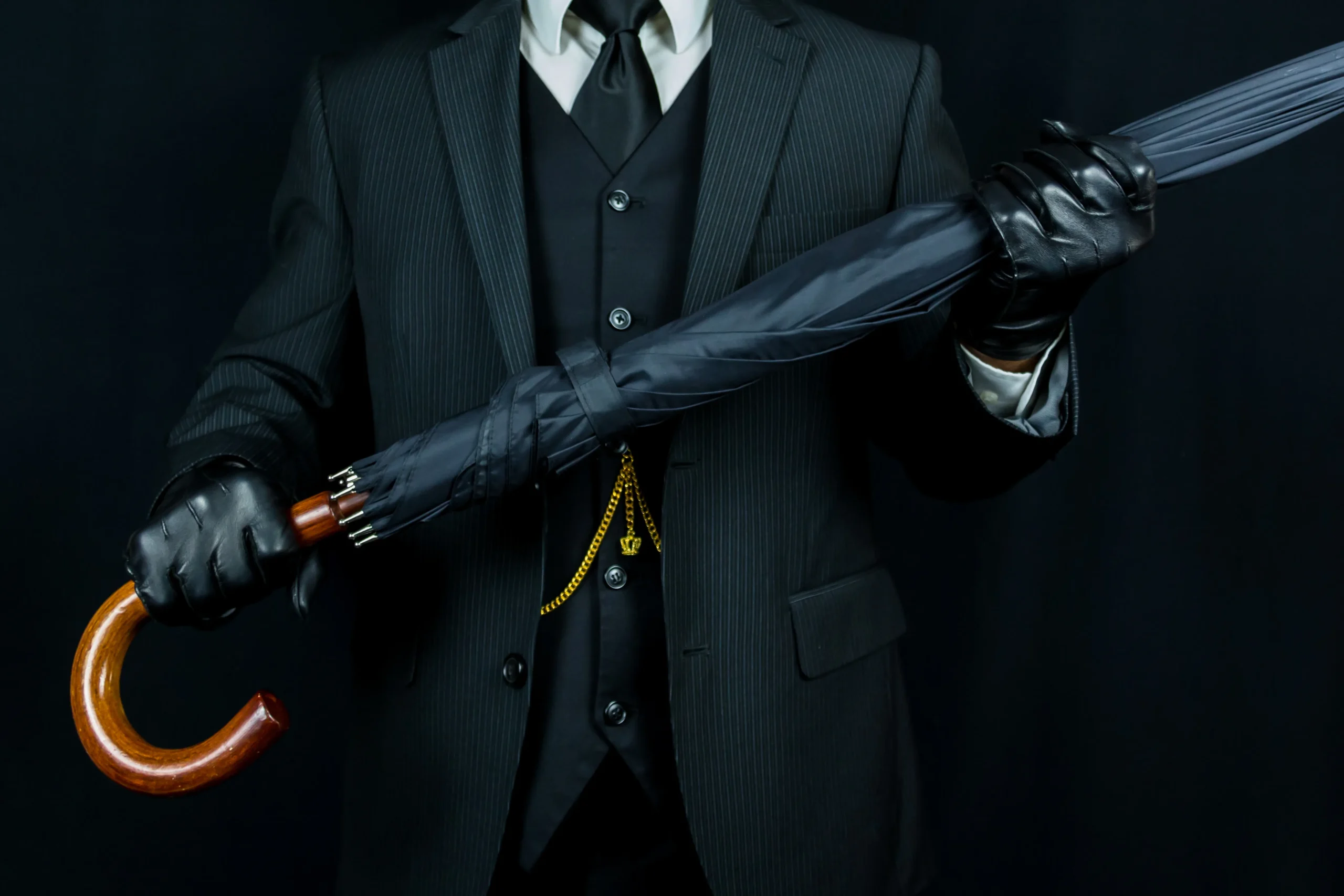
Spy movies like those in the James Bond franchise are filled with hidden weapons, secret agents, and dramatic assassinations. But while these films are designed for entertainment, real-life espionage has, at times, been far more chilling—and far more real.
One of the most disturbing examples occurred in 1978, when a quiet encounter on a London street turned into a deadly international incident.
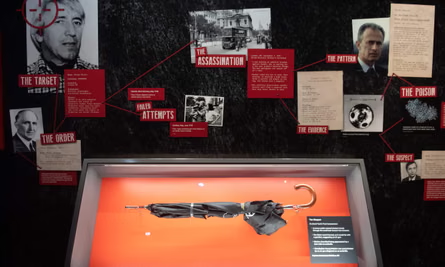
On September 7, 1978, a Bulgarian journalist named Georgi Markov was walking across Waterloo Bridge in London. As he moved through the crowd, he suddenly felt a sharp sting in his leg—like a quick jab or insect bite.
Startled, he turned around and noticed a man behind him picking up an umbrella that had just fallen. The man muttered an apology and quickly walked away. At the time, it seemed like nothing more than an odd, fleeting moment.
But it was anything but ordinary.
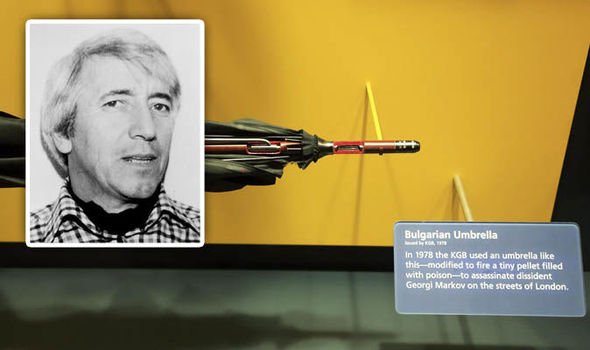
Within hours, Markov began to feel seriously ill. He developed a high fever and was rushed to the hospital. Over the next few days, his condition worsened rapidly, and despite medical efforts, he died four days later.
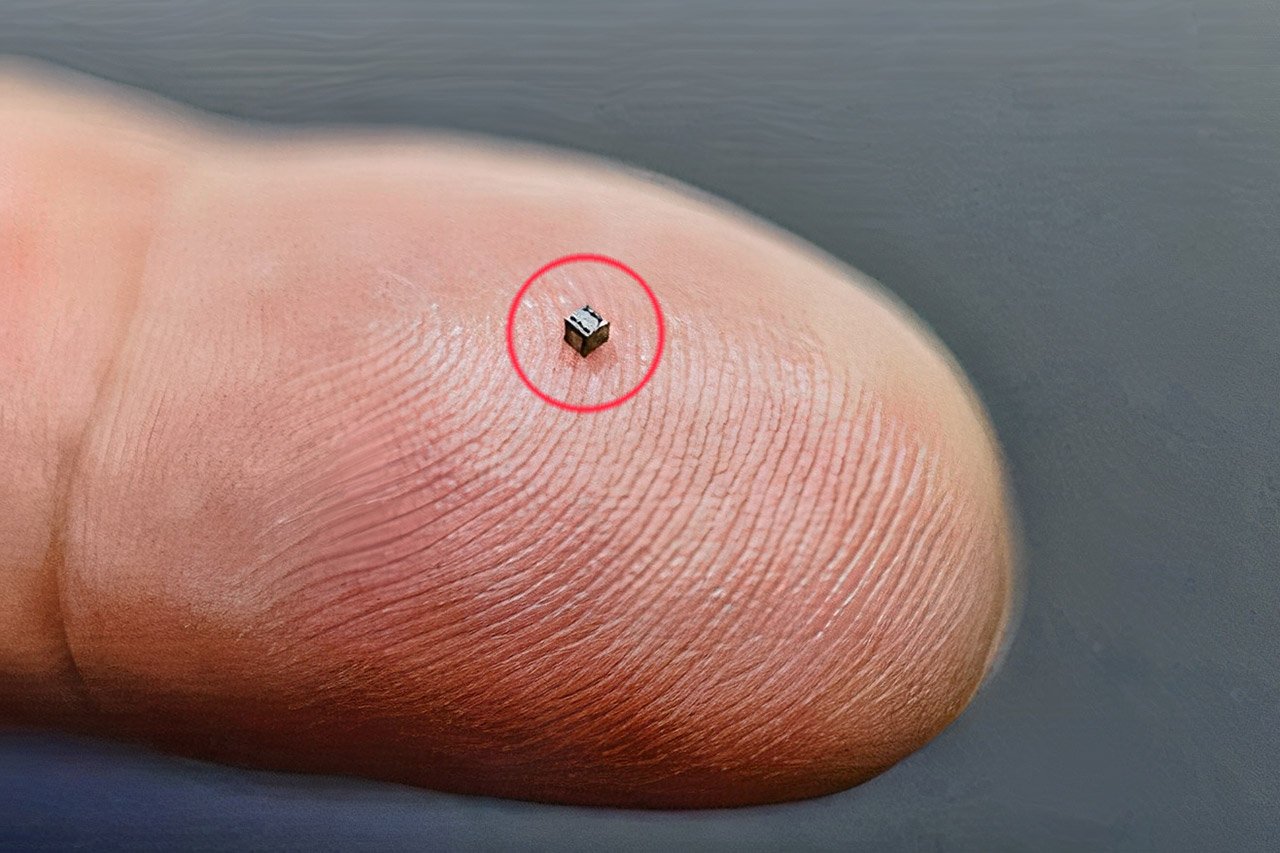
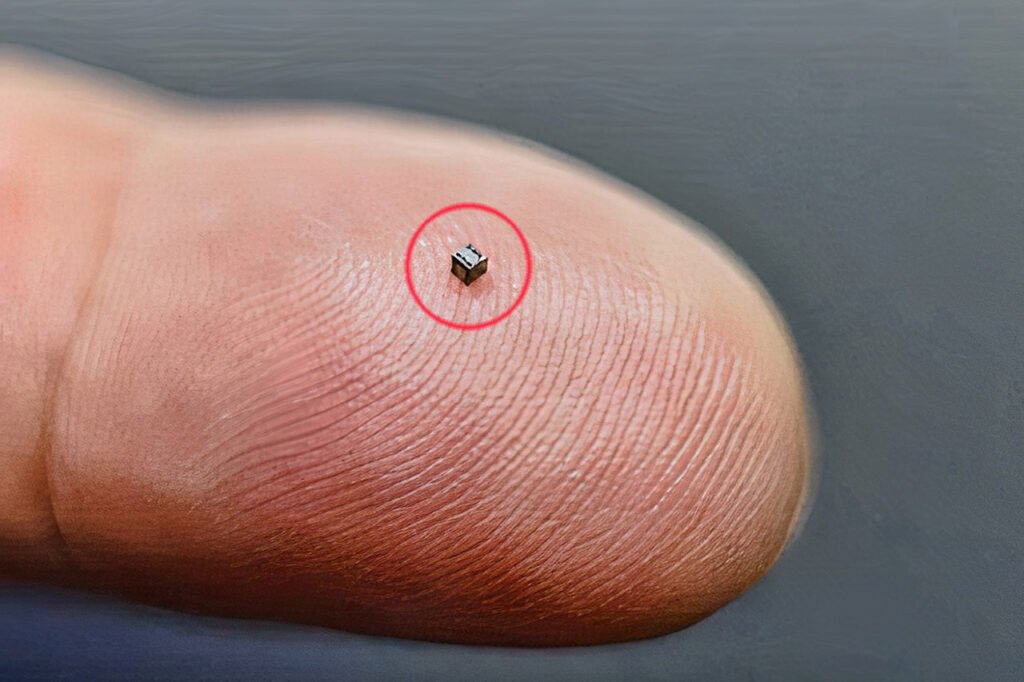
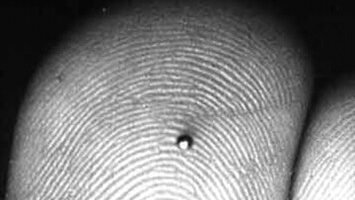
An investigation later revealed a shocking truth: Markov had been assassinated using a tiny pellet injected into his leg. The pellet contained ricin, a highly potent poison derived from castor beans.
The weapon? A specially modified umbrella capable of firing the microscopic pellet—almost silently and without drawing attention.
The assassination of Georgi Markov is widely believed to have been carried out by agents linked to the Bulgarian secret police, possibly with assistance from the KGB during the height of the Cold War.
Markov had been an outspoken critic of the Bulgarian government, using his broadcasts to expose corruption and repression. His voice made him a target—and his death sent a chilling message to others.
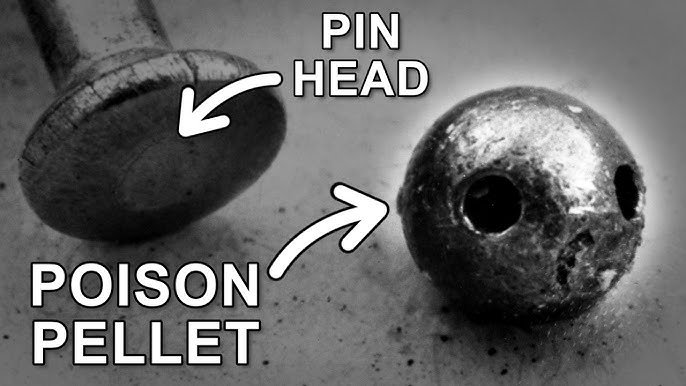
The idea of a weapon hidden in something as ordinary as an umbrella might sound like something straight out of a spy film. But this incident proves that reality can be even more unsettling than fiction.
Unlike the flashy gadgets of James Bond, this was a quiet, almost invisible attack—no explosions, no dramatic chase scenes, just a brief moment on a crowded bridge that ended in tragedy.
The “umbrella assassination” remains one of the most famous cases of Cold War espionage. It exposed the lengths to which intelligence agencies were willing to go and highlighted the very real dangers faced by political dissidents.
While spy movies continue to thrill audiences, stories like this remind us that behind the fiction lies a darker truth—one where the stakes are real, and the consequences are deadly.