 11
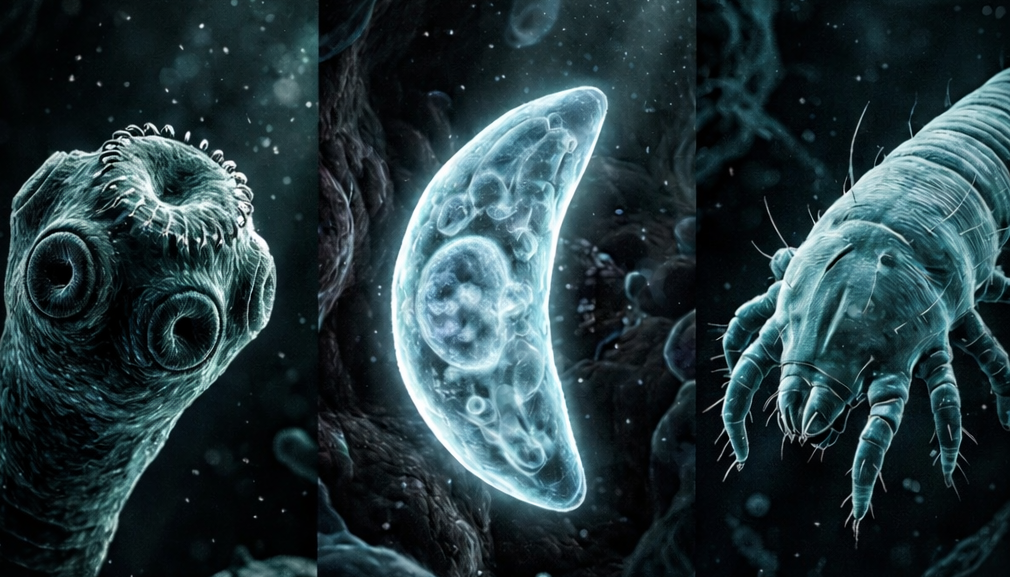
11 The human body may seem like a single organism, but in reality it is home to trillions of tiny living creatures. These microscopic organisms live on and inside our bodies every day. Scientists refer to this vast community as the human microbiome, and it plays an essential role in keeping us healthy.
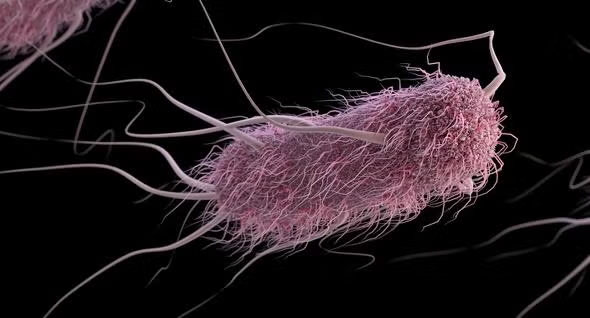
Inside the human body live bacteria, viruses, fungi, and other microorganisms. Most of them are so small that they can only be seen with powerful microscopes. While the idea of tiny organisms living inside us may sound alarming, many of these creatures are actually beneficial.
These microorganisms live in different parts of the body, including the skin, mouth, lungs, and digestive system. The largest population is found in the intestines, where trillions of bacteria help break down food and absorb nutrients.
The gut is like a bustling ecosystem filled with microbes that support digestion and overall health. Certain bacteria help break down complex carbohydrates, produce important vitamins, and support the immune system.
Without these helpful microorganisms, our bodies would struggle to process many of the foods we eat. They also help prevent harmful bacteria from growing by competing for space and nutrients.
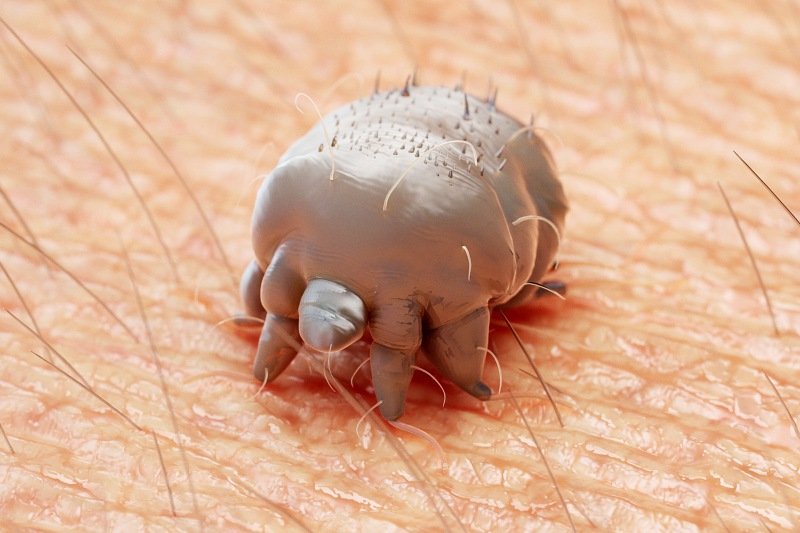
Our skin also hosts millions of microorganisms. These microbes live in hair follicles, sweat glands, and tiny pores on the skin’s surface. Although invisible to the naked eye, they form a protective barrier that helps keep harmful pathogens away.
Different parts of the body have different types of microbes depending on factors such as moisture, temperature, and exposure to the environment.
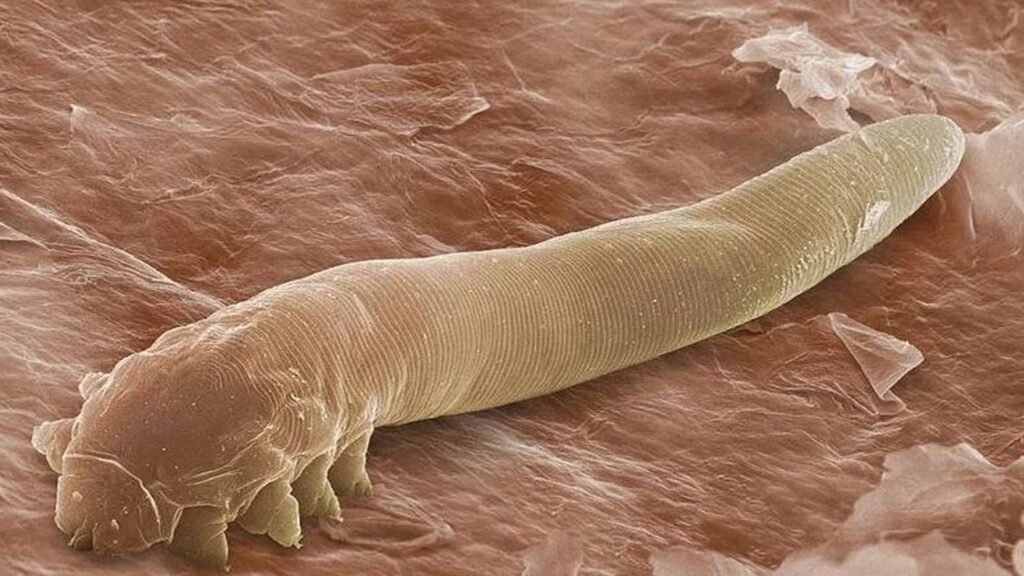
Some creatures living on the human body are not bacteria but tiny animals. One example is a microscopic mite called Demodex. These mites live in hair follicles, especially around the eyelashes and eyebrows.
Almost every adult human carries these mites, and they usually cause no harm. They feed on dead skin cells and oils produced by the skin, quietly living their entire life cycle on the human body.
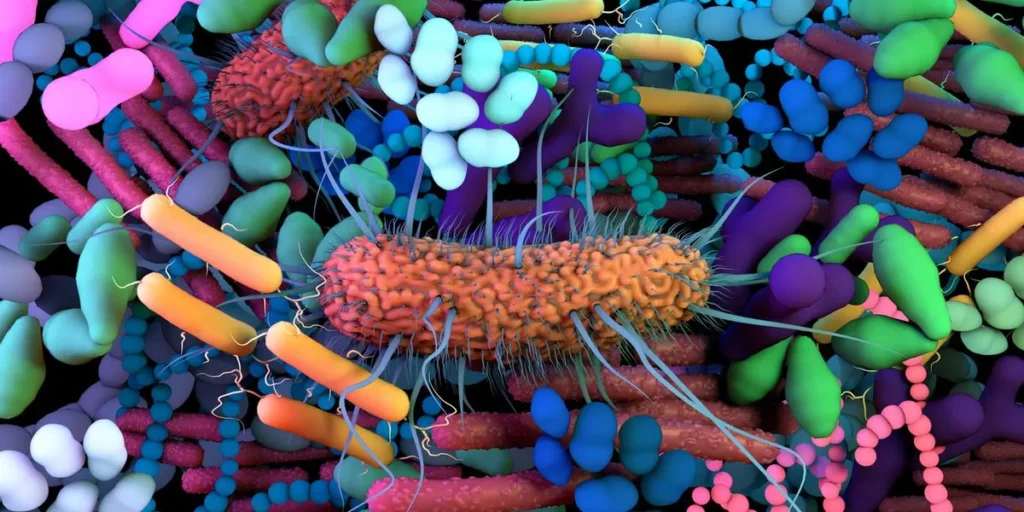
The organisms living inside us also play an important role in training and supporting the immune system. They help the body recognize harmful invaders and respond effectively to infections.
When the balance of these microorganisms is disturbed—often due to illness, antibiotics, or poor diet—it can lead to digestive problems, infections, or other health issues.
Scientists now understand that maintaining a healthy balance of microorganisms is essential for well-being. Eating nutritious foods, maintaining good hygiene, and avoiding unnecessary antibiotics can help keep the body’s microbial community balanced.
Research into the microbiome is still ongoing, and scientists continue to discover how these microscopic companions influence everything from digestion to mood and overall health.
Although we cannot see them, countless tiny creatures live within our bodies every day. Most of these microorganisms are not harmful—in fact, many are vital to our survival. The human body is not just one organism but a complex ecosystem where humans and microbes live together in a delicate and fascinating partnership.