 11
11
Sikkim is one of the most unique states in India. Nestled in the eastern Himalayas between Nepal, Bhutan, and China, Sikkim offers a lifestyle that is very different from most parts of India. From its peaceful environment and cultural diversity to its environmental policies and slower pace of life, the state stands apart in many ways.
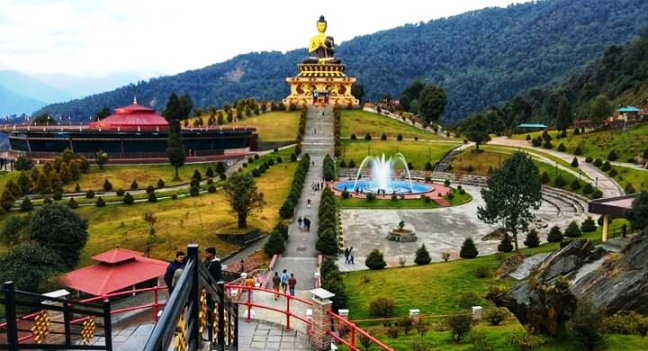
Life in Sikkim is much calmer compared to the busy metropolitan cities of India such as Mumbai, Delhi, or Bengaluru. While these cities are known for heavy traffic, crowded streets, and fast-paced living, Sikkim offers a quieter environment where people live closer to nature.
The capital city, Gangtok, is relatively small and organized. Clean streets, strict traffic rules, and limited noise pollution create a calm atmosphere rarely seen in large Indian cities.
Sikkim is widely recognized for its commitment to environmental conservation. In fact, it became the first fully organic state in India in 2016. The government banned chemical fertilizers and pesticides to promote sustainable farming.
Another notable policy is the ban on plastic bags in many areas, helping maintain the natural beauty of the region. Because of these policies, Sikkim remains one of the cleanest states in India.
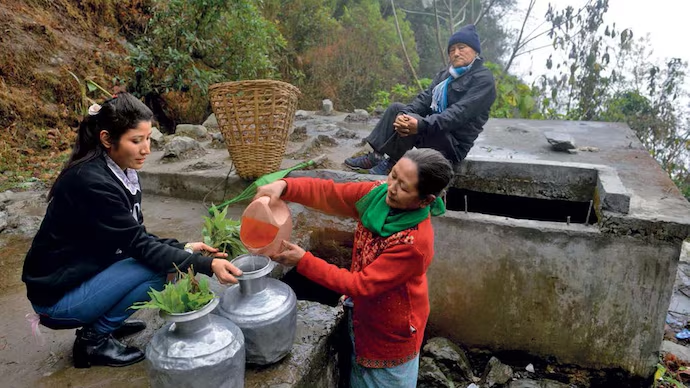
Although Sikkim is small, it has a rich mix of cultures and ethnic groups. The main communities include Lepchas, Bhutias, and Nepalis. Their traditions, languages, and festivals give the state a cultural identity distinct from the rest of India.
Buddhism plays an important role in Sikkimese culture. Many beautiful monasteries, such as Rumtek Monastery, are important religious and cultural centers. Colorful prayer flags, Buddhist rituals, and peaceful monasteries are common sights throughout the region.
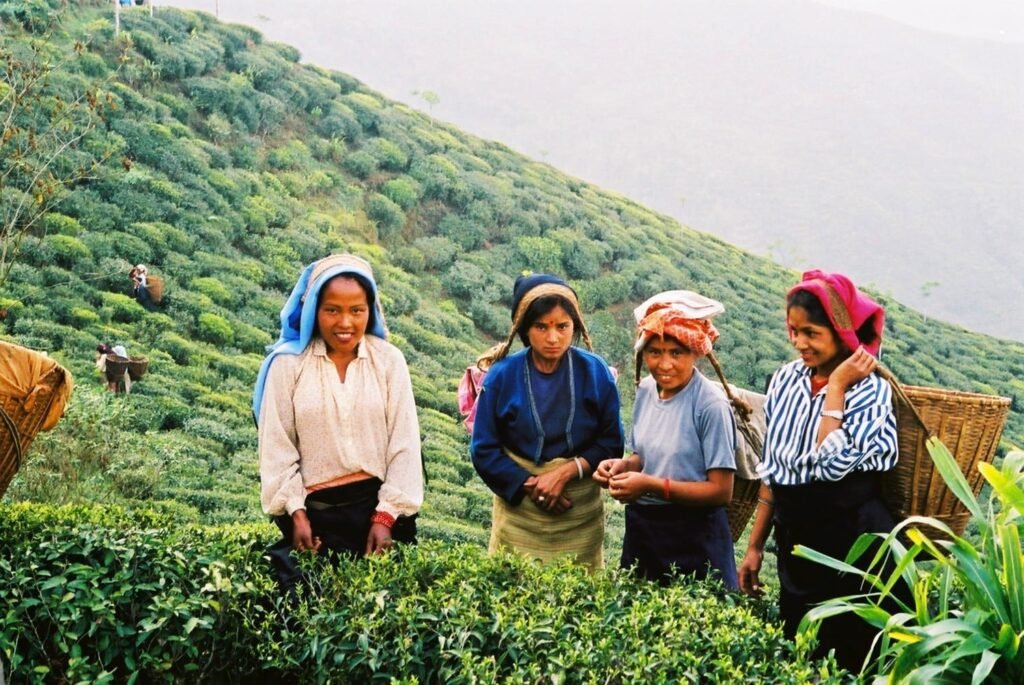
Compared to most Indian states, Sikkim has a very small population. This means less congestion, cleaner air, and better waste management. Streets are generally cleaner, and the government actively promotes civic responsibility among residents.
Many towns enforce strict rules against littering, and fines are imposed for those who violate cleanliness regulations.
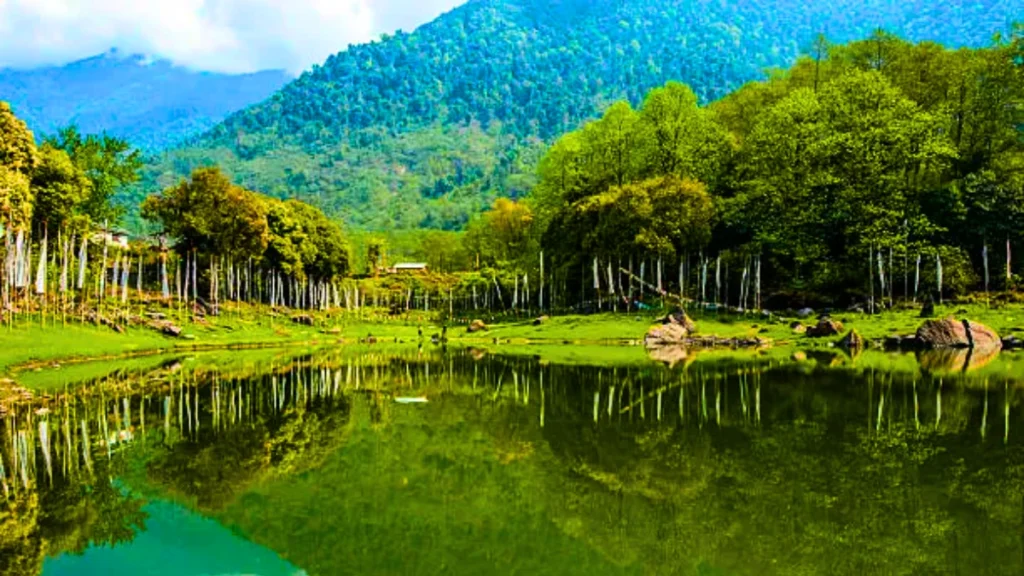
Sikkim is surrounded by breathtaking mountains, forests, and rivers. The presence of the world’s third-highest mountain, Kangchenjunga, dominates the landscape and holds spiritual importance for the people.
Because of this natural environment, many people in Sikkim depend on tourism, farming, and small businesses rather than large-scale industries. Life tends to be simpler and more community-focused.
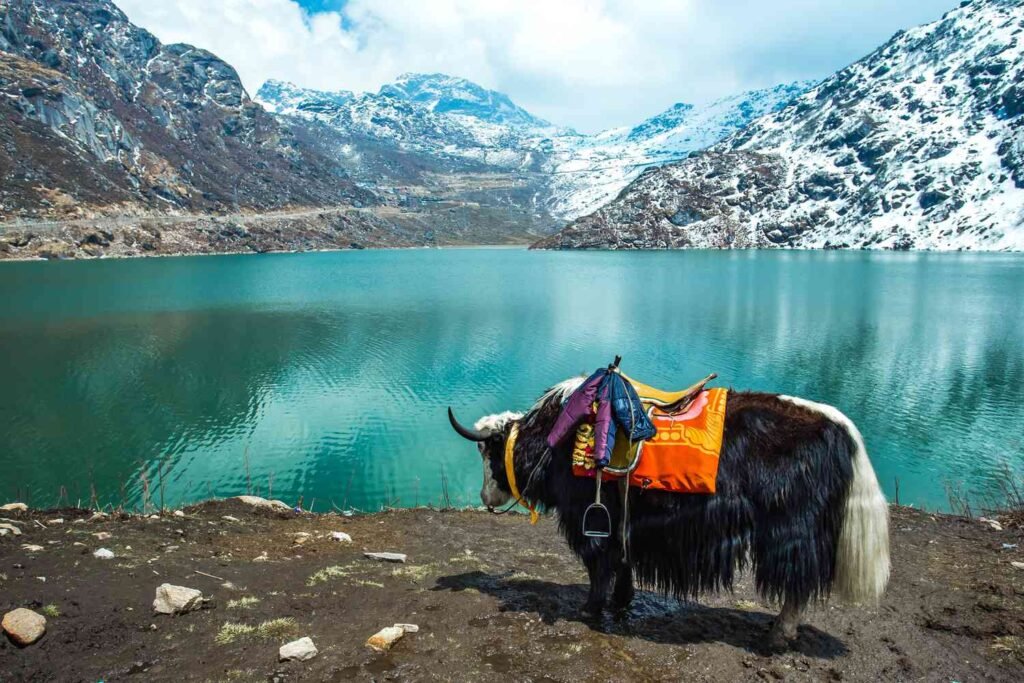
The food culture in Sikkim also differs from much of India. Popular dishes include momos, thukpa, and fermented foods influenced by Tibetan and Nepali cuisine.
Unlike many Indian states where spicy curries dominate daily meals, Sikkimese cuisine often features lighter broths, steamed dishes, and locally grown vegetables.
One of the most noticeable differences is the strong sense of community among residents. People tend to know their neighbors well, and communities often come together for festivals, religious ceremonies, and local events.
This social closeness creates a supportive environment that contrasts with the more individualistic lifestyle found in large urban centers.
Life in Sikkim is shaped by its geography, culture, and environmental values. Compared to much of India, it offers a slower pace of life, cleaner surroundings, and a deep connection with nature. While modern development is gradually reaching the state, Sikkim continues to preserve its traditions and ecological balance, making it one of the most distinctive and peaceful regions in India.