 11
11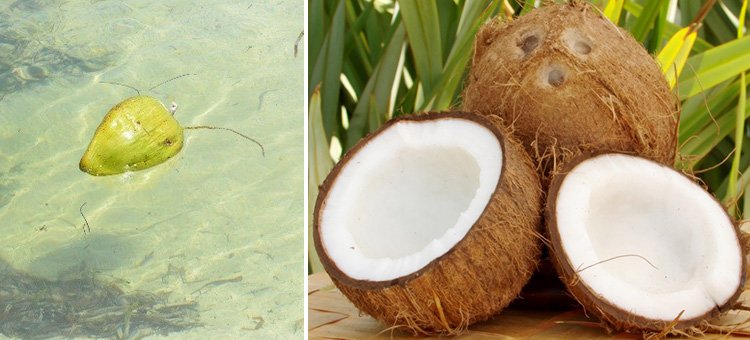
The humble coconut is more than just a tropical treat—it’s one of nature’s most impressive long-distance travelers. Unlike most seeds, coconuts are specially designed to survive harsh ocean journeys, floating across thousands of miles without rotting or sprouting prematurely. Even more remarkably, once they reach a suitable shore, they can grow into full coconut trees on tropical beaches.
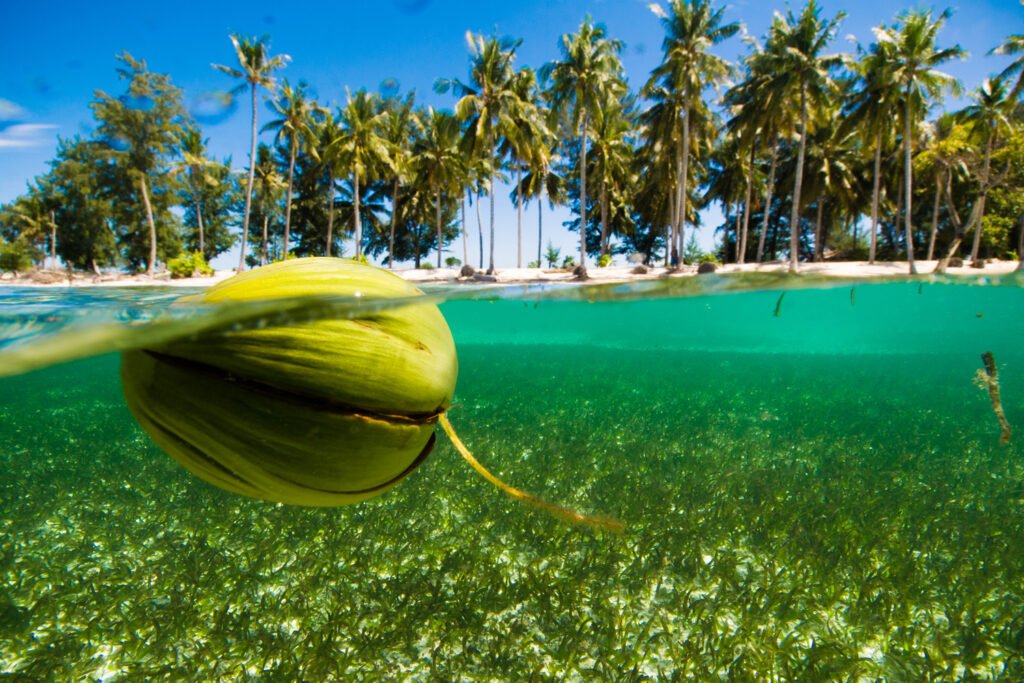
Coconuts have a unique structure that makes ocean travel possible. Their thick, fibrous outer husk acts like a natural life jacket. This layer traps air, allowing the coconut to float effortlessly on water. Beneath the husk lies a hard, waterproof shell that protects the seed inside from saltwater damage.
Unlike many other seeds, coconuts are highly resistant to rot. The tough outer layers prevent seawater from penetrating, while the inner environment remains sterile and protected. This allows the coconut to survive for months—even years—at sea.
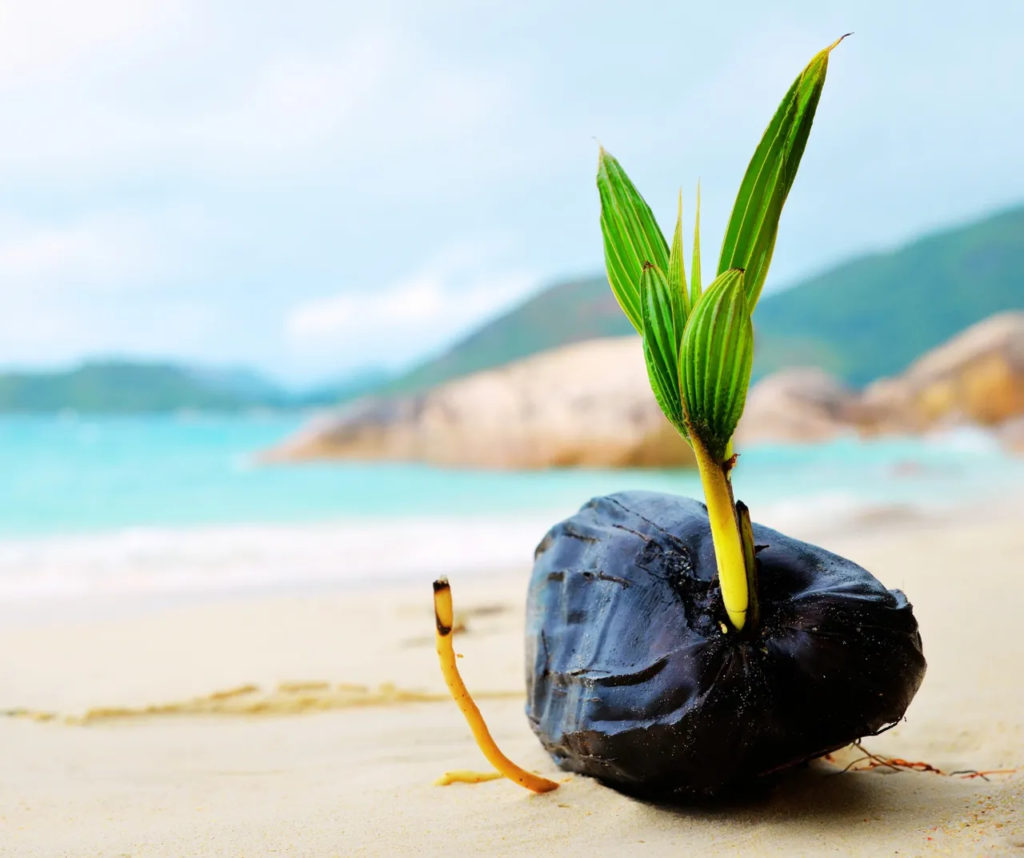
One of the most fascinating features of coconuts is their ability to delay germination. Inside the shell, the seed remains dormant despite being surrounded by moisture. This is because it requires very specific conditions to begin growing—mainly fresh water, oxygen, and the right temperature.
Saltwater actually helps keep the coconut dormant. As long as it’s floating in the ocean, it won’t sprout. Only when it reaches land, where rainwater can wash away the salt and provide suitable conditions, does germination begin.
Ocean currents act as natural highways for coconuts. They can travel across entire oceans, sometimes covering thousands of miles. This is how coconut trees have spread naturally to tropical coastlines around the world—from Southeast Asia to the Caribbean and beyond.
When a coconut finally washes ashore, it often lands in sandy, well-drained soil—perfect for growth. Given enough sunlight and moisture, it begins to sprout, sending roots into the ground and eventually growing into a tall, fruit-bearing tree.
https://www.profitablecpmratenetwork.com/b1u0xrk5pq?key=001fc3223511080d76d29850d703ea38The coconut’s ability to float, resist decay, and delay sprouting is a brilliant example of evolutionary adaptation. It ensures that the seed not only survives a long journey but also has the best possible chance to grow once it reaches land.
So the next time you see a coconut on a beach, remember—you might be looking at a traveler that crossed an entire ocean to get there