 11
11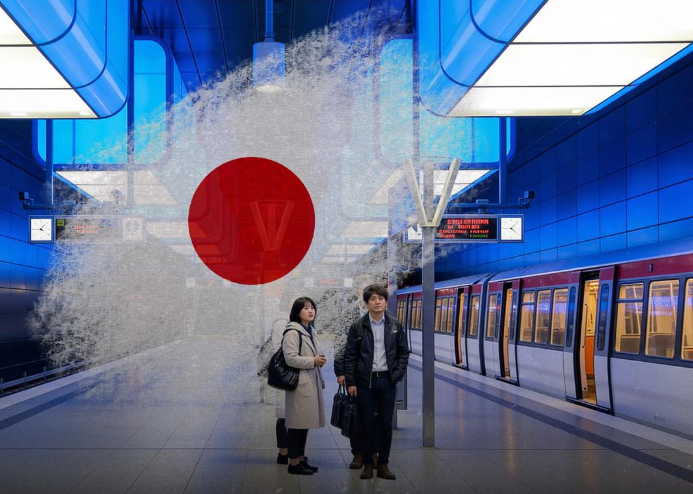
In a quiet but powerful public safety experiment, railway officials in Japan introduced an unusual intervention at several train stations: blue LED lights. The results surprised many observers. Some studies reported up to an 80% reduction in suicide attempts at certain stations after the lights were installed.
Japan has long faced challenges related to railway suicides. Busy urban train lines, especially in major cities like Tokyo, have historically seen incidents that cause both tragedy and widespread service disruption.
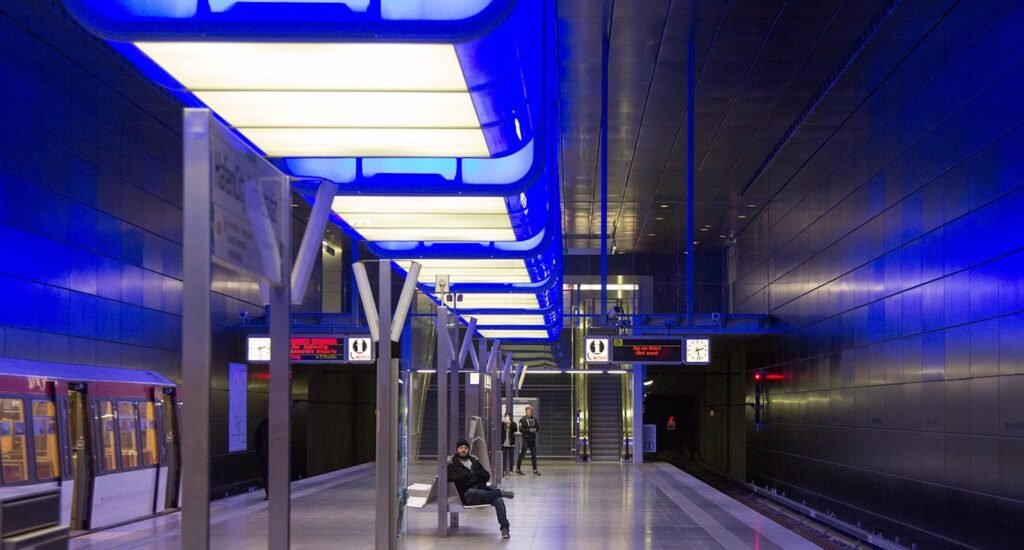
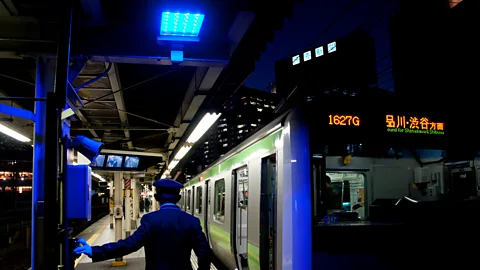
In the early 2000s, railway companies began testing blue LED lighting at the ends of platforms. The idea was rooted in psychology. Blue light is often associated with calmness, stability, and relaxation. Researchers believed that altering the environment, even subtly, might influence emotional states during moments of crisis.
According to research published in academic journals, stations that installed blue LED lights saw a significant decline in suicide attempts compared to stations without them. In some locations, the reduction reached nearly 80 percent during the observation period.
The lights were typically installed at platform ends — areas considered high-risk spots. The intervention was simple and relatively low-cost compared to other safety measures like platform screen doors.
Scientists suggest several possible explanations:
However, experts caution that the lights are not a standalone solution. Suicide prevention requires broader strategies, including mental health services, public awareness, and crisis intervention systems.
While not every station showed identical results, the findings suggest that environmental design can influence human behavior in powerful ways. The blue LED initiative demonstrates how subtle, science-informed interventions can potentially save lives.
Japan continues to explore multiple approaches to reduce railway-related suicides, including platform barriers and emergency response systems. The blue light experiment remains one of the most discussed examples of how thoughtful design may contribute to public safety.