 11
11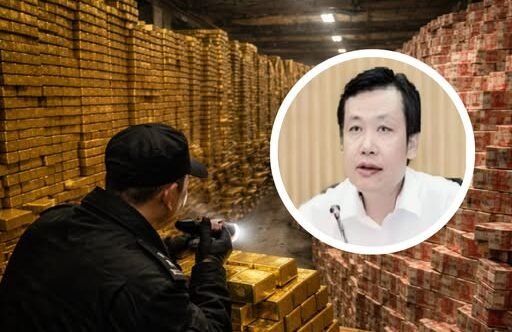
Authorities in China have announced what is being described as one of the toughest anti-corruption rulings in recent decades. Former senior official Zhang Qi was sentenced to death following a six-year investigation that allegedly uncovered wealth on a staggering scale.
According to reports surrounding the case, investigators seized approximately 13.5 tons of gold and 23 tons of cash, with the total value estimated at around $41.2 billion USD. The sheer size of the alleged assets shocked observers and fueled widespread public debate about corruption at high levels of government.
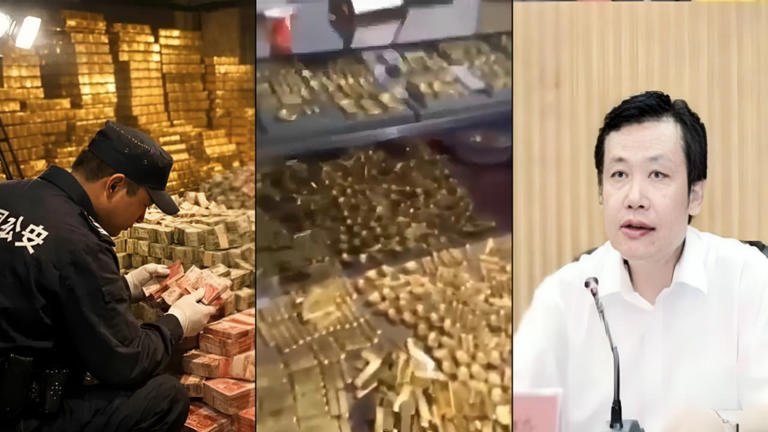
Prosecutors argued that Zhang abused his position of authority for personal enrichment, accepting massive bribes and accumulating illicit wealth over time. After years of financial audits, asset tracing, and legal proceedings, the court ruled that the severity of the crimes justified the harshest possible punishment under Chinese law.
China’s anti-corruption campaign has intensified over the past decade under President Xi Jinping. The government has repeatedly stated that both high-ranking “tigers” and low-level “flies” would be held accountable. Numerous officials across various provinces have faced investigation, dismissal, imprisonment, or severe penalties as part of this sweeping crackdown.
Capital punishment for corruption remains rare but can be applied in cases involving exceptionally large sums or severe abuse of power. Supporters of the ruling argue that it demonstrates zero tolerance and sends a strong warning to other officials. Critics, however, often question transparency, judicial processes, and the broader political context surrounding such high-profile cases.
Regardless of perspective, the verdict underscores the intensity of China’s anti-corruption drive and its willingness to impose severe consequences when officials are found guilty of large-scale misconduct.