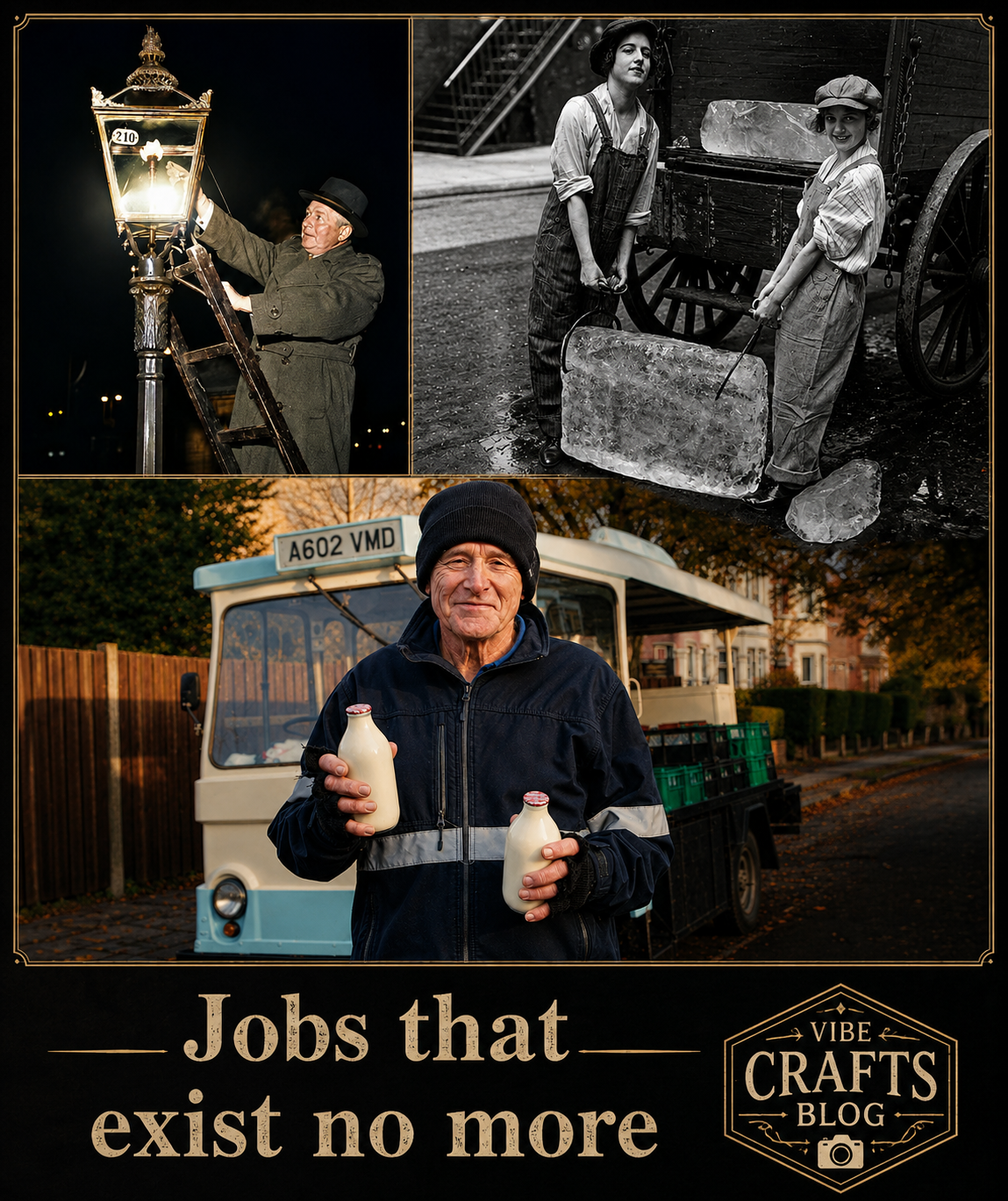
Meta Description: Discover forgotten 1900s jobs that disappeared with technology, including switchboard operators, lamplighters, and elevator attendants.
Introduction
Have you ever wondered what people did for work before smartphones, computers, and automation took over daily life? Today, most people can send a message in seconds. However, just a hundred years ago, connecting a phone call often required a real person sitting at a giant switchboard full of wires and blinking lights.
Back then, many jobs existed because machines could not do simple tasks on their own. As technology improved, those careers slowly disappeared. Some faded quietly. Others vanished almost overnight.
Interestingly, many younger people have never even heard of jobs like switchboard operators, knocker-uppers, or pin setters. Yet these workers once played an important role in everyday life. In fact, entire towns depended on them.
This article explores forgotten jobs from the 1900s that no longer exist today. Along the way, you will learn how technology changed work forever. You will also discover lessons modern workers can still use today.

What Were Switchboard Operators?
Before automatic dialing systems existed, telephone calls had to be connected manually. Therefore, companies hired switchboard operators to manage calls between homes and businesses.
Most operators worked in busy telephone exchange offices. Large walls held hundreds of plugs, switches, and flashing lights. Whenever someone picked up a phone, a small light appeared on the board. Then the operator connected wires between callers.
How the Job Worked
A customer would pick up the receiver and say something like:
“Operator, connect me to Main Street Grocery.”
After that, the operator physically plugged cables into the correct slots to connect the call.
Although the process sounds simple, the work required strong concentration. Operators handled many calls at once. Meanwhile, they had to remain polite even during stressful situations.
Why the Job Disappeared
Eventually, automatic telephone systems replaced manual switchboards. As a result, phone companies no longer needed thousands of workers connecting calls by hand.
Today, mobile phones and digital networks complete the same task instantly. Because of that, younger generations rarely understand how much human effort once powered communication.
Other 1900s Jobs That No Longer Exist
Technology removed many other careers besides switchboard operators. Some disappeared because machines became faster. Others faded because society changed.

Elevator Operators
Modern elevators work with simple buttons. However, older elevators required trained workers to control movement between floors.
Daily Responsibilities
Elevator operators opened gates manually. Then they moved large levers to stop at each floor. Good timing mattered because sudden stops could injure passengers.
Luxury hotels often hired operators with excellent manners. In many buildings, workers greeted guests all day long.
Real-Life Style Example
A former hotel employee once described how elevator operators memorized regular visitors. Therefore, they already knew which floor a guest wanted before being asked.
During busy mornings, operators sometimes carried conversations while carefully stopping the elevator within inches of the floor line. One mistake could damage the equipment.
Eventually, automatic elevators became safer and cheaper. Consequently, most operators lost their jobs by the mid-1900s.

Lamplighters
Before electric streetlights spread across cities, lamplighters walked through neighborhoods every evening lighting gas lamps by hand.
A Tough Routine
Workers carried long poles with small flames at the tip. Each night, they traveled street by street lighting lamps before darkness arrived.
Then, every morning, they returned to extinguish the flames.
Rainy weather made the job even harder. Moreover, strong winds often blew lamps out before sunrise.
Why They Vanished
Electric lighting systems removed the need for manual labor. Once cities installed electric streetlights, lamplighters slowly disappeared.
Even so, some historic towns still keep the tradition alive for tourism purposes.

Knocker-Uppers
Alarm clocks were once expensive and unreliable. Therefore, factories hired people called knocker-uppers to wake workers before sunrise.
How They Woke People
Most knocker-uppers used long sticks to tap bedroom windows. Others used pea shooters to hit glass from the street.
Surprisingly, workers trusted them enough to depend on them every morning.
Real-Life Style Example
In industrial towns, factory workers often paid a small weekly fee for wake-up service. One missed morning could mean lost wages. Because of that, reliable knocker-uppers became well known in their communities.
Some even had routes covering dozens of homes before dawn.
Eventually, affordable alarm clocks replaced them completely.
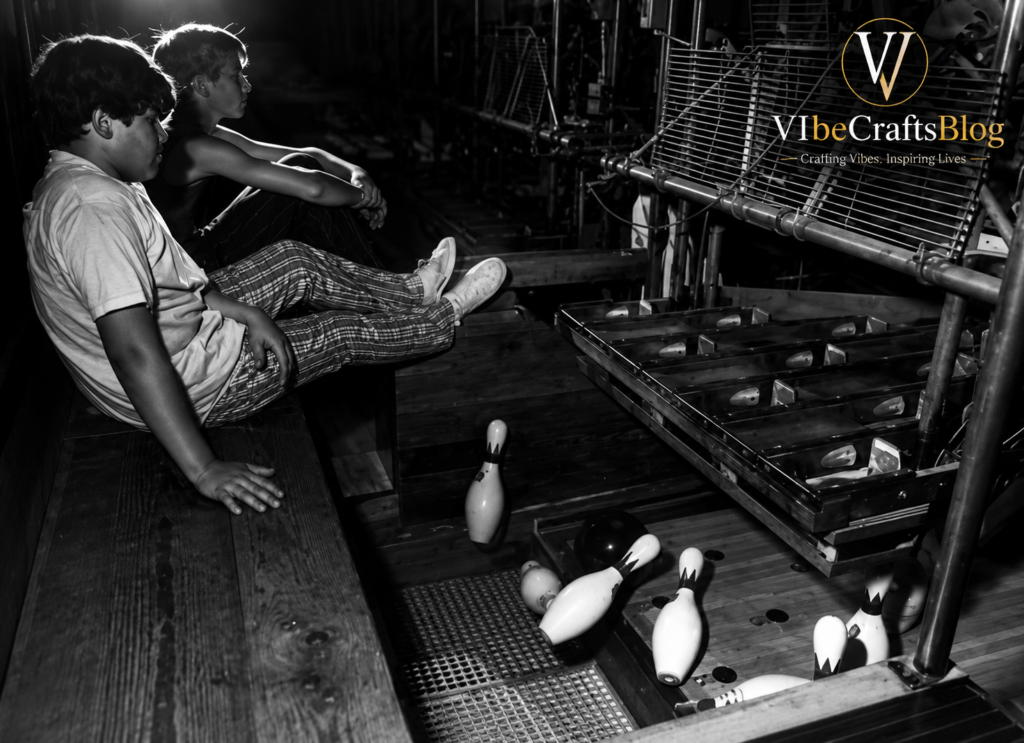
Pin Setters at Bowling Alleys
Today, bowling machines automatically reset pins after every throw. However, children once worked behind lanes resetting pins by hand.
Dangerous Working Conditions
Pin setters had to move quickly between rolling bowling balls. At the same time, loud crashes echoed constantly inside the narrow spaces behind lanes.
The work was exhausting. Furthermore, injuries happened often.
Why Automation Took Over
Automatic pin-setting machines increased speed and reduced labor costs. Therefore, bowling alleys rapidly switched to machines during the 1950s.
Many young workers suddenly found themselves unemployed.
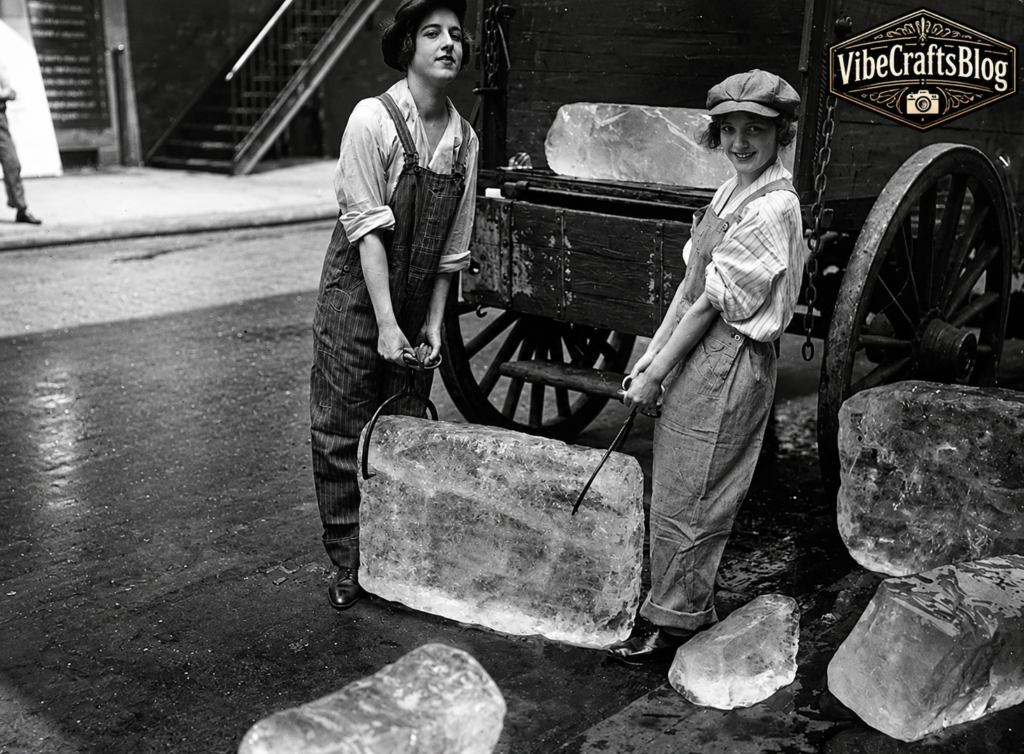
Ice Cutters and Ice Delivery Workers
Before refrigerators became common, people relied on giant blocks of natural ice to keep food cold.
Harvesting Ice
During winter, workers cut huge sections of frozen lake ice using hand tools and saws. Later, they stored the ice inside insulated buildings.
Once summer arrived, delivery workers transported blocks to homes using horse-drawn wagons.
Daily Challenges
Ice delivery required physical strength. Since the blocks melted quickly, workers moved fast even during extreme heat.
Customers often placed cards in windows to show how much ice they needed that day.
Electric refrigerators eventually made the entire industry unnecessary.

Milkmen
Although a few milk delivery services still exist today, traditional milkmen once formed a major part of neighborhood life.
Morning Deliveries
Milkmen woke before sunrise to deliver fresh bottles door to door. In many towns, families left empty bottles outside for collection.
Because routes stayed the same every day, milkmen knew entire neighborhoods personally.
Why the Job Changed
Supermarkets and refrigeration technology changed shopping habits. As a result, home milk delivery became far less common.
Still, older generations often remember the sound of glass bottles arriving early in the morning.
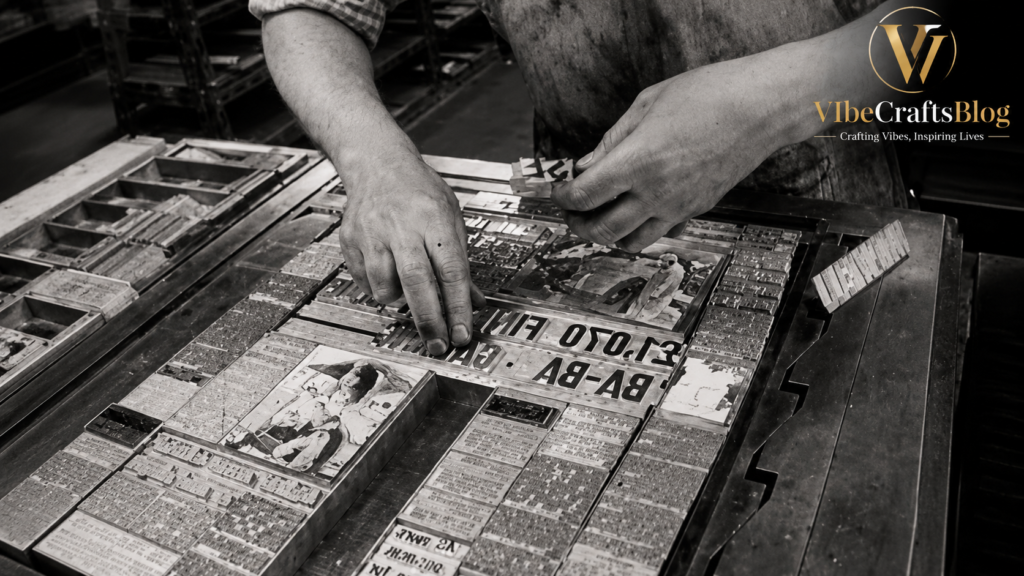
Typesetters for Newspapers
Before digital publishing, newspapers relied on workers arranging metal letters by hand.
Careful Precision
Typesetters built entire pages one letter at a time. A single mistake could ruin printing plates.
Therefore, accuracy mattered greatly.
The End of Manual Printing
Computers transformed publishing completely. Modern software now designs pages in minutes instead of hours.
Consequently, traditional typesetting became nearly extinct.
Lessons Modern Workers Can Learn
Although these jobs disappeared, they still teach valuable lessons today.
Adaptability Matters
Workers who learned new skills often survived major technological changes. Meanwhile, those who resisted change struggled more.
That same pattern continues today with artificial intelligence and automation.
Technology Always Changes Careers
Many people once believed switchboard operators or elevator attendants would always be needed. However, innovation replaced them surprisingly fast.
Modern workers should remember that industries can shift quickly.
Human Skills Still Matter
Even though machines replaced many tasks, communication and problem-solving remain important. Workers who combine technical skills with human interaction often stay valuable longer.
Common Mistakes People Make When Studying Old Jobs
Assuming Old Jobs Were Simple
Many forgotten jobs required intense concentration and physical endurance. Therefore, it is unfair to dismiss them as easy work.
Ignoring Social Changes
Technology alone did not remove every job. In many cases, changing lifestyles also played a major role.
Forgetting Regional Differences
Some jobs disappeared earlier in large cities but survived longer in rural areas. Because of that, work history often varies between communities.
How to Explore More Forgotten Jobs
If this topic interests you, there are several simple ways to learn more.
Visit Local Museums
Many history museums display old workplace tools and machines. Seeing real equipment makes these careers easier to understand.
Talk to Older Relatives
Grandparents often remember jobs younger people never experienced. Their stories usually contain details missing from textbooks.
Watch Historical Documentaries
Old footage helps explain how workers handled daily routines before modern technology existed.
FAQ
Why did switchboard operators disappear?
Automatic telephone systems replaced manual call connections. Consequently, companies no longer needed workers to plug calls into switchboards.
Did children really work as pin setters?
Yes, many bowling alleys hired children and teenagers before automatic machines became common.
Are any of these old jobs still around today?
A few survive in limited forms for tourism or tradition. However, most disappeared completely due to automation.
Could modern technology remove current jobs too?
Yes. Artificial intelligence, robotics, and software continue changing industries today just like earlier inventions changed jobs in the 1900s.
Conclusion
The vanished jobs of the 1900s tell an important story about technology, survival, and human adaptation. Workers like switchboard operators, lamplighters, and milkmen once shaped daily life in ways most people barely imagine now.
Although those careers disappeared, their experiences still matter. They remind us that every generation faces change. More importantly, they show how quickly society can transform when new technology arrives.
Next time you make a phone call or ride an elevator, think about the workers who once handled those tasks manually. Their jobs may be gone, but their role in history remains unforgettable.