In recent years, scientists and medical researchers in Germany have been exploring an exciting new approach to treating diabetes using stem cell technology. This groundbreaking therapy aims to restore the body’s ability to produce insulin naturally, offering hope to millions of people who depend on daily insulin injections.
Understanding Diabetes and the Need for New Treatments
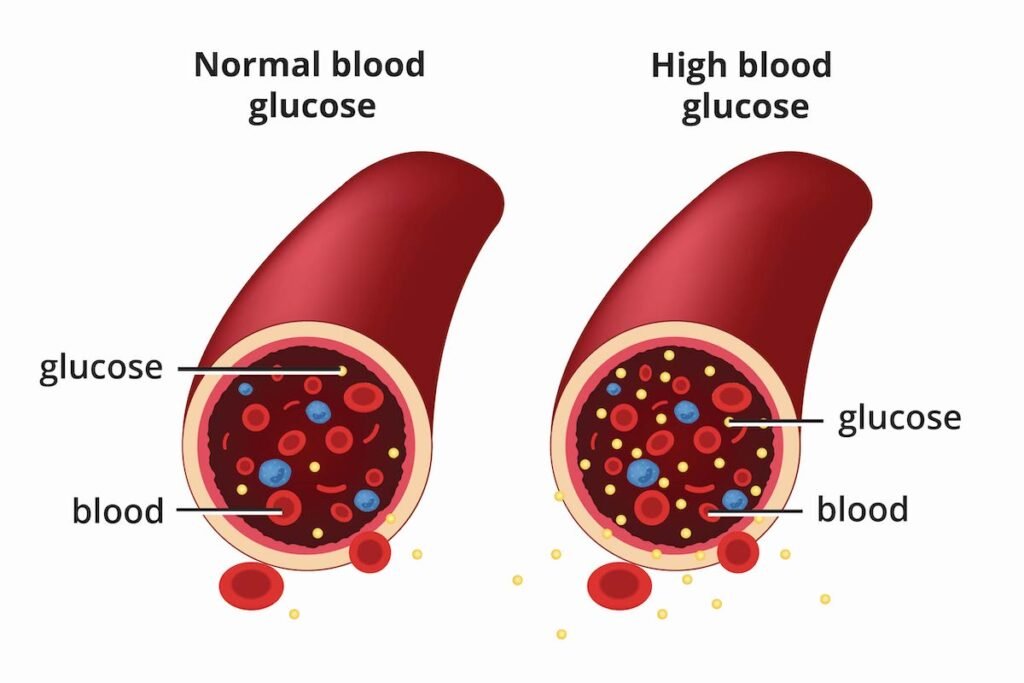
Diabetes is a chronic condition that affects how the body regulates blood sugar. In particular, people with Type 1 diabetes cannot produce insulin because the immune system destroys the insulin-producing beta cells in the pancreas. As a result, patients must monitor their blood sugar constantly and inject insulin every day to survive.
Although insulin therapy has saved countless lives since its discovery over a century ago, it does not cure the disease. Patients still face complications such as heart disease, nerve damage, kidney problems, and vision loss if blood sugar levels are not controlled properly.
This challenge has led researchers to look for a treatment that addresses the root cause of diabetes rather than simply managing its symptoms.
How Stem Cell Therapy Works
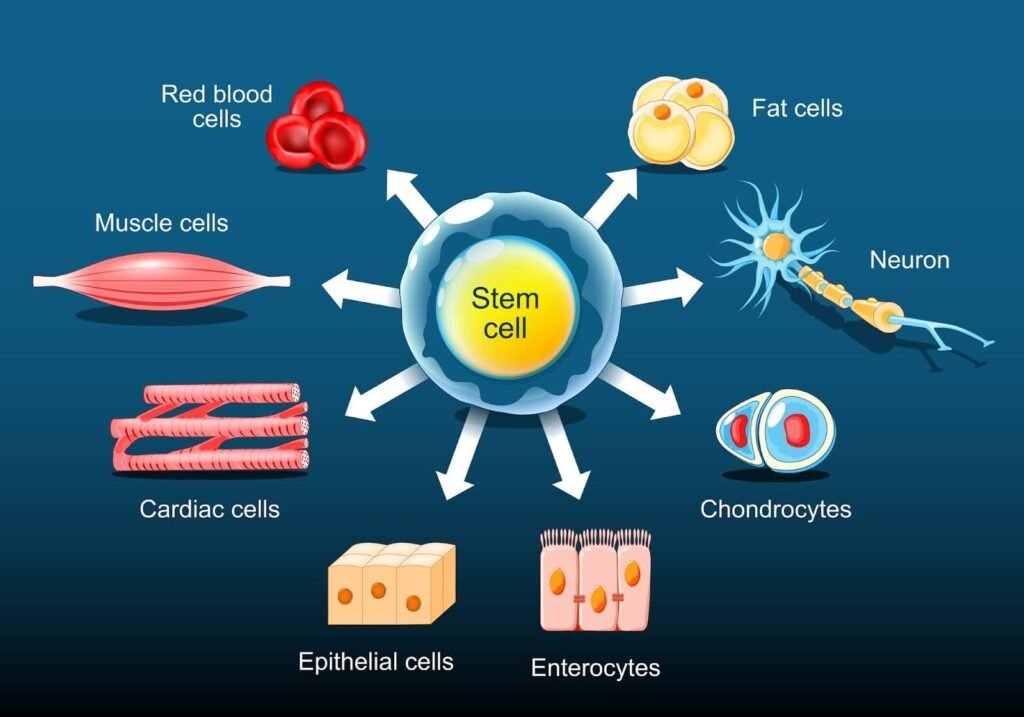
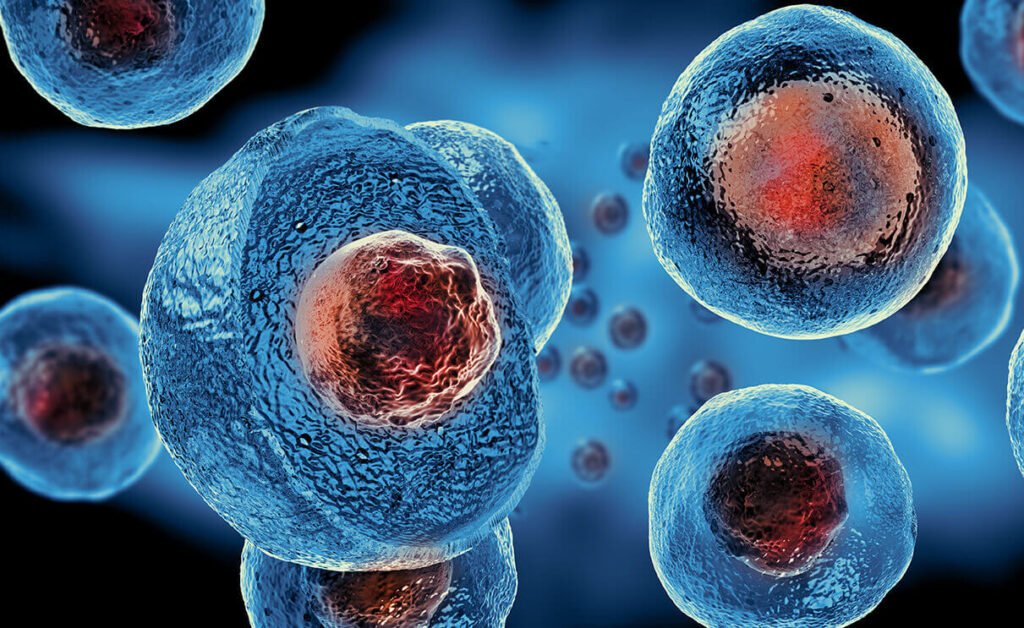
Stem cells are special cells capable of developing into many different types of cells in the body. Scientists can use them to create insulin-producing cells known as pancreatic islet cells.
In stem cell therapy for diabetes, these lab-grown or patient-derived cells are transplanted into the body. Once inside, they can begin producing insulin naturally, helping regulate blood sugar levels.
German research institutions, including centers in Munich and Dresden, are studying how to safely transplant these cells and protect them from being attacked by the immune system.
Promising Results From Early Studies
Early clinical studies and experimental therapies have shown encouraging results. Some patients receiving stem-cell-derived islet cells have regained the ability to produce insulin on their own, reducing or even eliminating the need for daily insulin injections.
Researchers believe this approach could become a “functional cure,” allowing patients to maintain stable blood sugar levels without constant monitoring and medication.
Germany’s Role in Diabetes Innovation
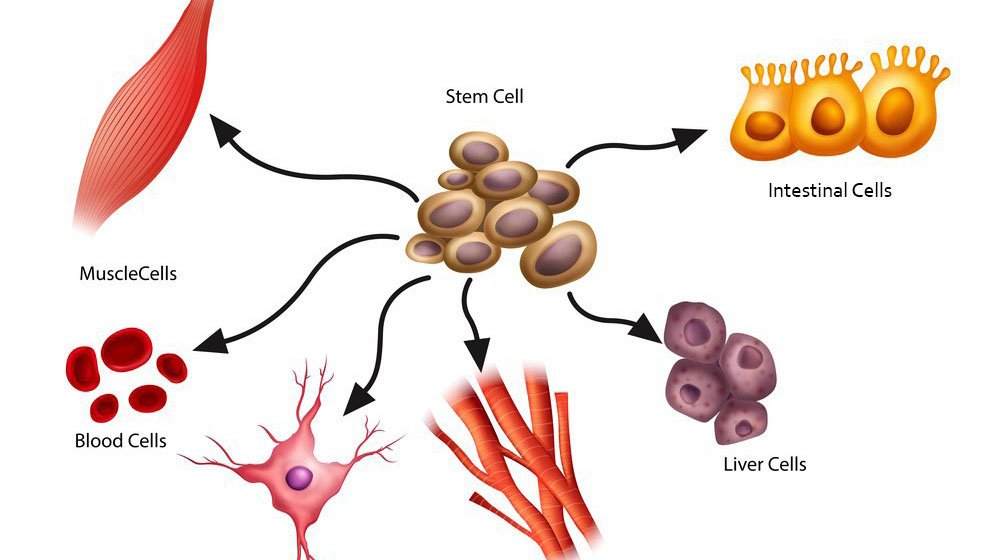
Germany has become an important hub for regenerative medicine and stem cell research. Specialized clinics and research centers are investigating therapies that use mesenchymal stem cells—often derived from a patient’s own body—to repair damaged pancreatic tissue and regulate immune responses.
These treatments aim to restore the pancreas’s ability to produce insulin and improve overall metabolic control. In some cases, patients undergoing such therapies have reported reduced insulin requirements and improved blood sugar stability.
Challenges and Future Prospects
Despite the excitement surrounding stem cell therapy, scientists emphasize that the treatment is still being developed and tested. One of the biggest challenges is preventing the immune system from rejecting the transplanted cells. Researchers are currently working on technologies that can protect these cells or make them “invisible” to the immune system.
If these challenges are successfully overcome, stem cell therapy could transform diabetes treatment worldwide.
Conclusion
Stem cell research in Germany is opening new possibilities for people living with diabetes. By replacing damaged insulin-producing cells and restoring natural insulin production, scientists hope to free patients from lifelong injections and constant blood sugar monitoring. While the therapy is still under development, the progress made so far suggests that a future without insulin dependency may one day become a reality for many diabetics.