
The relationship between sexual activity and body weight is more complex than it may first appear. While it would be misleading to say that a lack of sex directly causes weight gain in a simple biological sense, research suggests that sexual health, emotional wellbeing, hormones, stress, and lifestyle habits are deeply interconnected. When intimacy decreases, certain indirect effects may influence body weight over time.
Let’s explore how.
1. Hormonal Changes and Metabolism
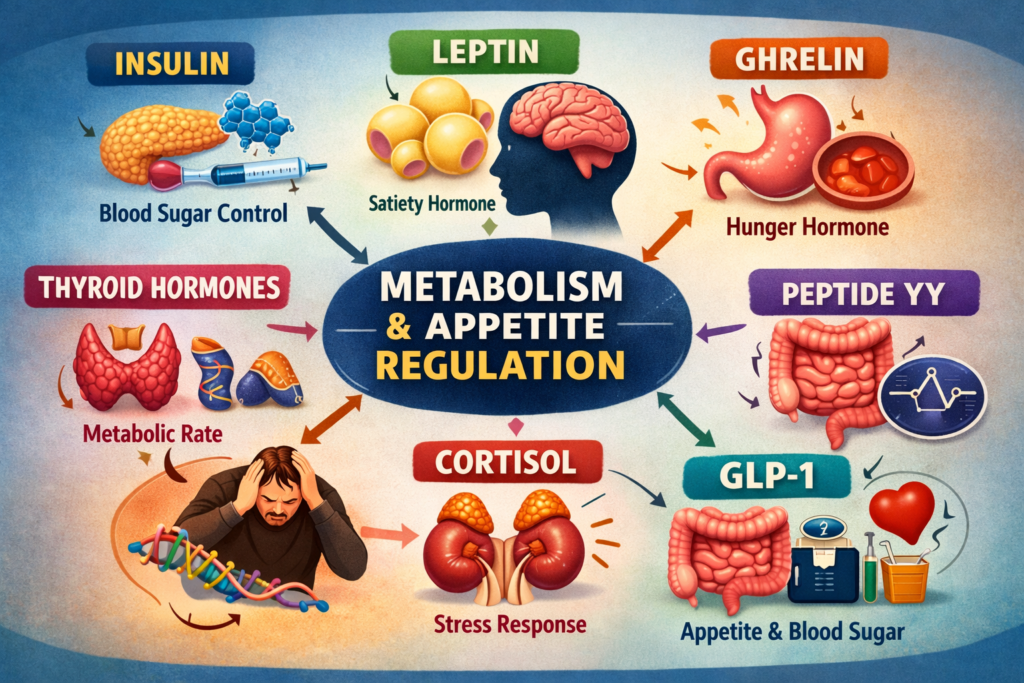
Sexual activity influences several hormones that play a role in metabolism and appetite regulation.
During intimacy and orgasm, the body releases:
- Oxytocin – Often called the “bonding hormone,” it reduces stress and emotional eating.
- Endorphins – Natural mood boosters that lower stress levels.
- Dopamine – Linked to pleasure and motivation.
- Prolactin – Involved in satisfaction and relaxation.
In long-term sexual inactivity, particularly in committed relationships, reduced physical intimacy may correlate with lower oxytocin release and higher stress hormones like cortisol. Elevated cortisol levels are associated with:
- Increased abdominal fat storage
- Higher sugar cravings
- Slower metabolism
So while sex itself isn’t a weight-loss miracle, its hormonal effects can support metabolic balance.
2. Stress, Emotional Eating, and Comfort Food
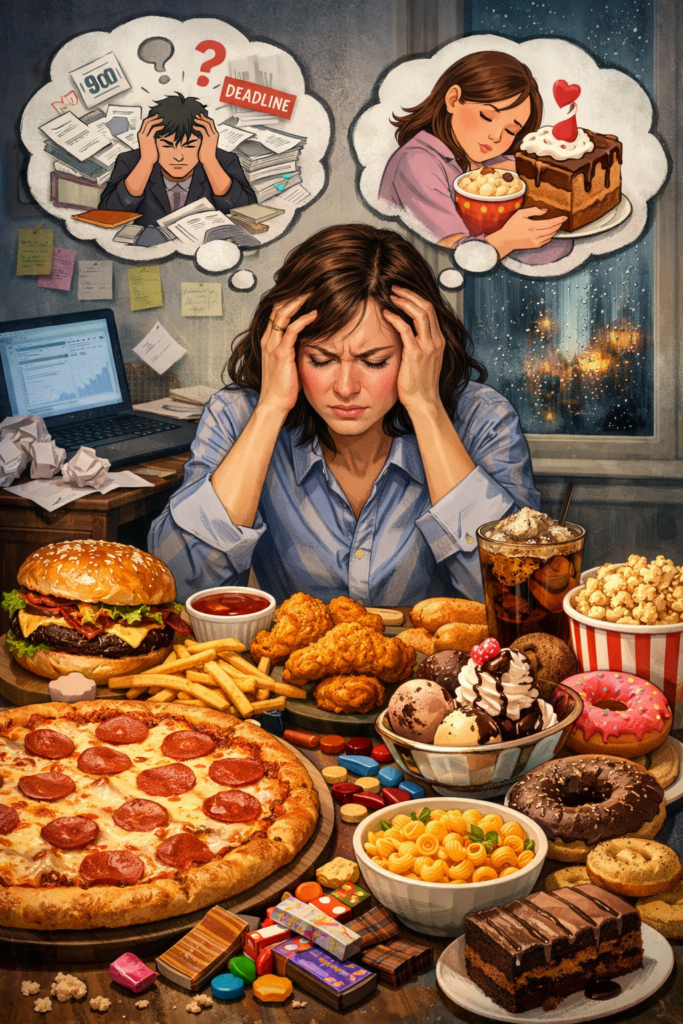
Physical intimacy is one of the most powerful natural stress relievers. Without it, some individuals may experience:
- Increased stress
- Mood swings
- Feelings of loneliness
- Mild depressive symptoms
When stress increases, people often turn to comfort foods—usually high in sugar and fat. Over time, emotional eating can lead to caloric surplus and gradual weight gain.
Studies from institutions like Harvard Medical School have shown that chronic stress contributes significantly to weight gain through cortisol-driven fat storage and altered eating behaviors.
3. Reduced Physical Activity
Sex is a moderate form of physical activity. Depending on duration and intensity, it can burn approximately 70–150 calories per session.
While this isn’t equivalent to a full gym workout, regular sexual activity can:
- Increase heart rate
- Improve circulation
- Boost metabolism temporarily
When intimacy declines, that small but consistent energy expenditure disappears. Combined with other sedentary habits, it may contribute slightly to weight gain over time.
4. Relationship Satisfaction and Lifestyle Habits
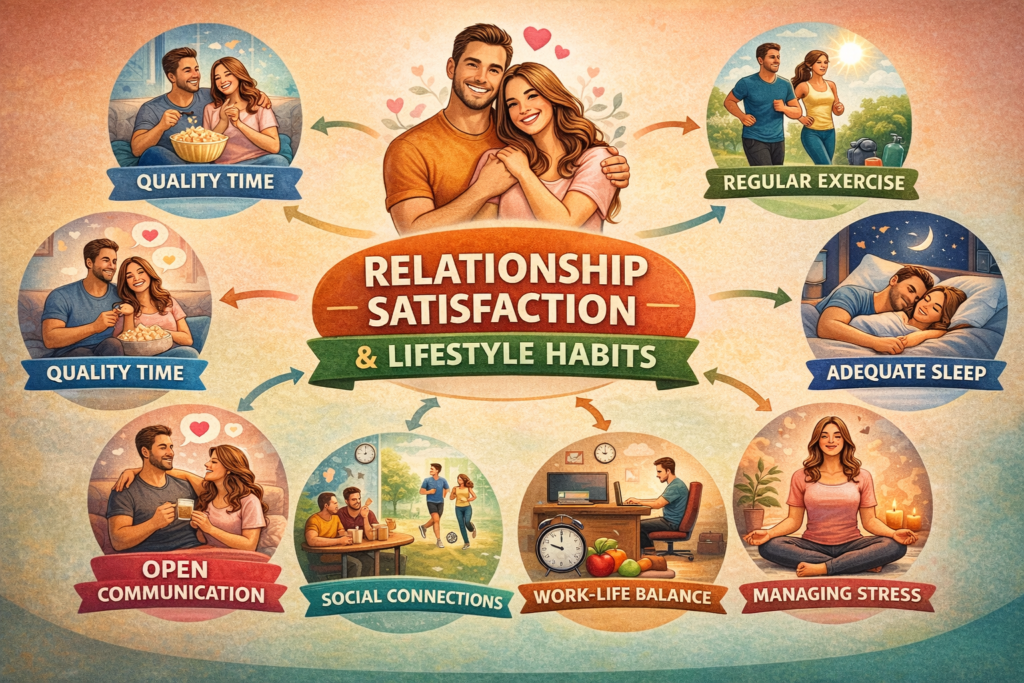
In committed relationships, sexual satisfaction is often linked to overall relationship satisfaction. Research published by organizations such as the American Psychological Association suggests that couples with strong emotional and physical intimacy tend to maintain healthier lifestyle habits together, including:
- Better sleep patterns
- Regular exercise
- Healthier diets
When intimacy decreases significantly, relationship stress can increase, which may negatively affect these shared healthy routines.
5. Sleep and Weight Connection
Sex can improve sleep quality due to the release of prolactin and oxytocin. Better sleep supports:
- Balanced hunger hormones (ghrelin and leptin)
- Reduced cravings
- Improved insulin sensitivity
Lack of quality sleep is strongly linked to weight gain. So indirectly, if reduced intimacy affects sleep patterns, it could influence body weight.
Important Clarification
It’s essential to understand that:
- Many people who are not sexually active maintain perfectly healthy weights.
- Weight gain is primarily driven by caloric imbalance, genetics, physical activity, stress, and metabolic factors.
- Sexual frequency alone is not a primary determinant of body weight.
Sexual activity may support emotional wellbeing and hormonal balance, which in turn can support healthier lifestyle choices—but it is not a replacement for proper nutrition and exercise.
Final Thoughts
Rather than viewing sex as a weight-control strategy, it’s more accurate to see it as one component of overall wellbeing. Emotional intimacy, stress management, sleep quality, and healthy routines are the real pillars of weight management.
A balanced life—physically, emotionally, and socially—is far more influential on body weight than sexual frequency alone.