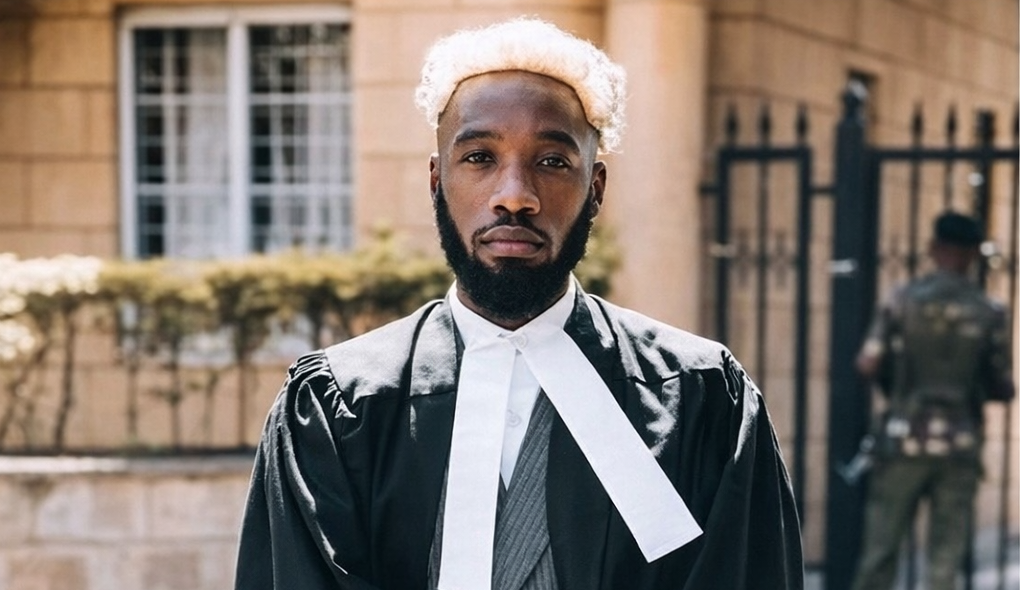
In a story that shocked many across East Africa, a man in Kenya allegedly posed as a licensed advocate and reportedly handled dozens of court cases before authorities uncovered the truth.
According to reports that circulated widely online, the man is said to have won 26 cases while pretending to be a qualified lawyer. The claim quickly went viral, with many people expressing disbelief that someone without formal legal credentials could achieve such results inside a courtroom.
Authorities later arrested him for impersonating an advocate. Legal practice in Kenya is strictly regulated by the Law Society of Kenya, and only certified members are permitted to represent clients in court. Practicing law without proper authorization is a criminal offense.
What made the story even more dramatic was the claim that after his arrest, the man chose to defend himself in court — and reportedly succeeded in arguing his own case. Supporters described him as intelligent and bold. Critics, however, argued that the situation exposed weaknesses in verification systems within certain courts.
However, it is important to note that viral stories often become exaggerated as they spread online. While there were confirmed reports of an impersonator practicing law without authorization in Kenya, some details — including the exact number of cases won and whether he fully “won” his own criminal case — have been debated and clarified differently by various media outlets.
The case sparked serious discussion about legal oversight, professional licensing, and public trust in the justice system. It also raised an uncomfortable question: how could someone operate for so long without being properly verified?
Whether viewed as a tale of deception, systemic oversight, or unusual courtroom confidence, the story captured global attention. It serves as a reminder that professional integrity and regulatory checks are essential — especially in fields that directly affect people’s rights and freedoms.